
Last updated November 25, 2026
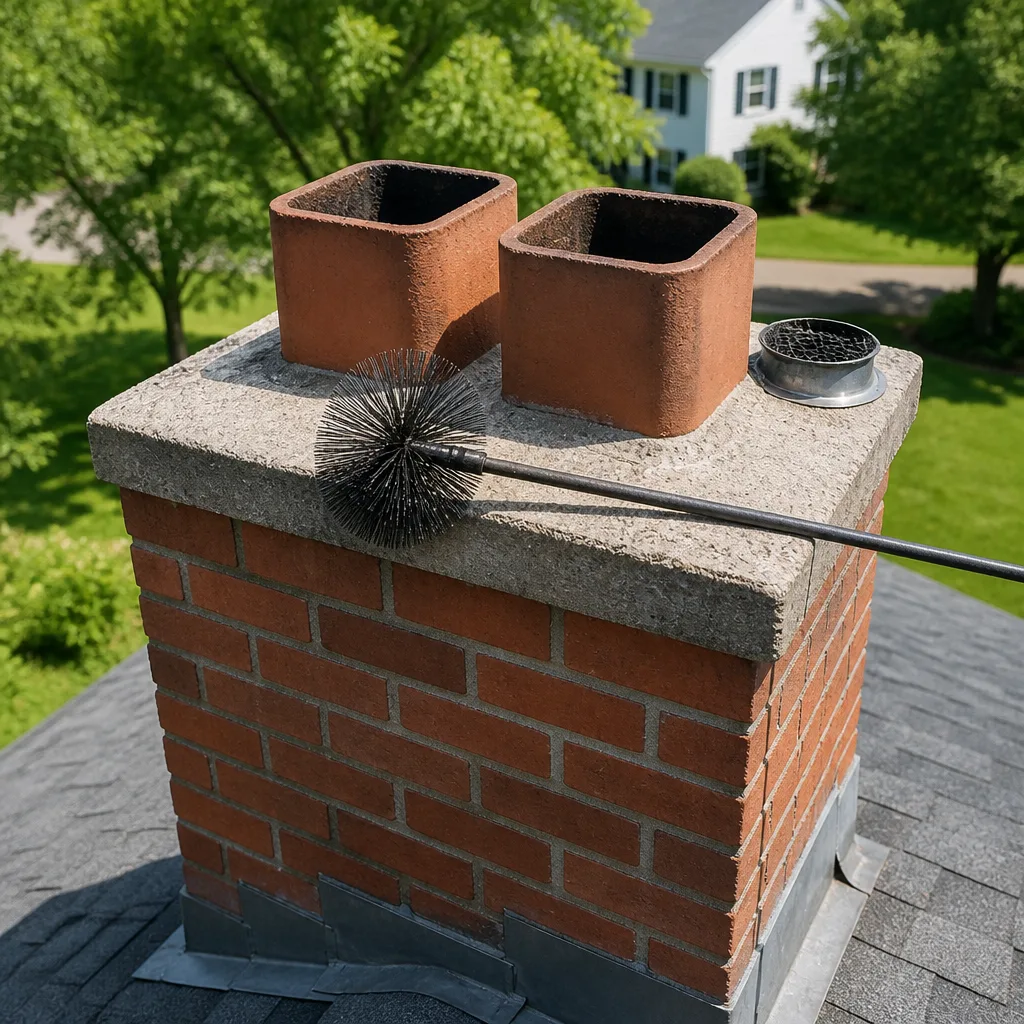 Sweep & inspection
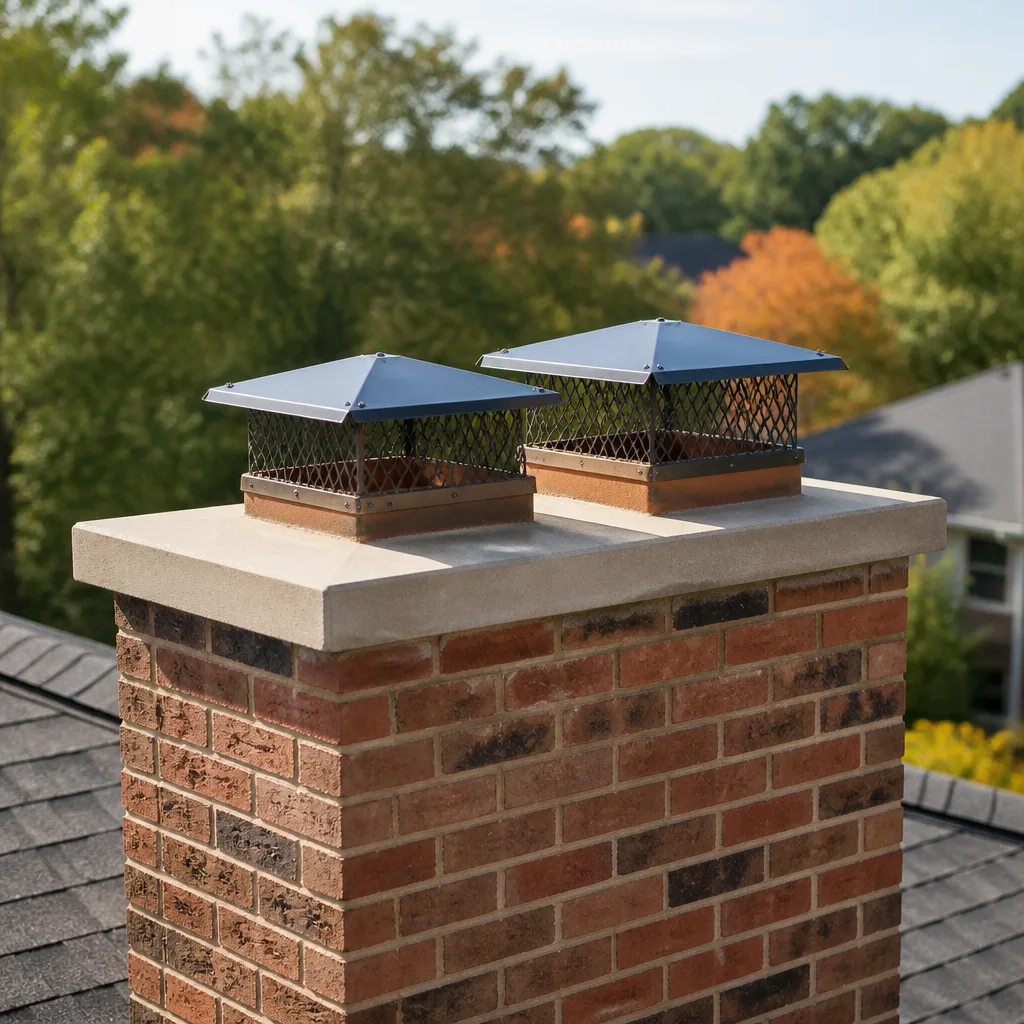 Caps & crowns
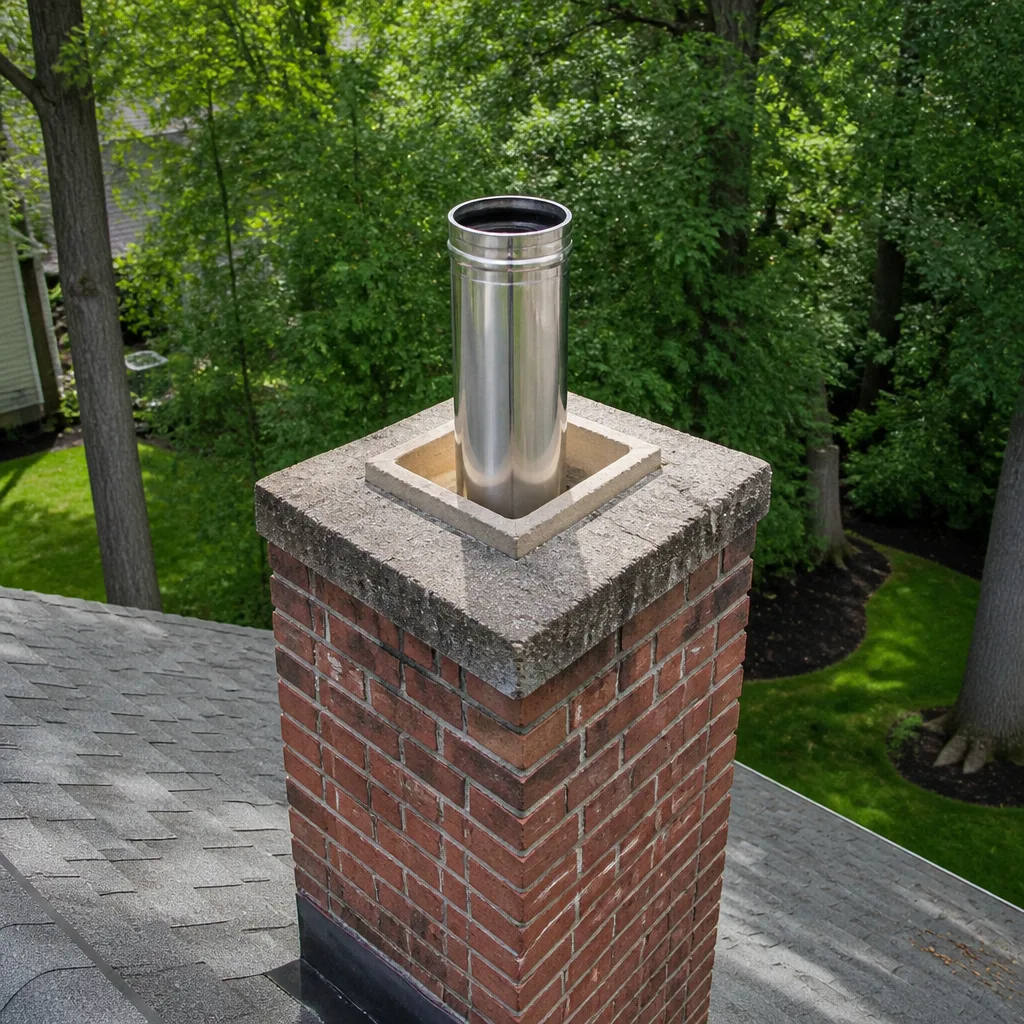 Flue relining
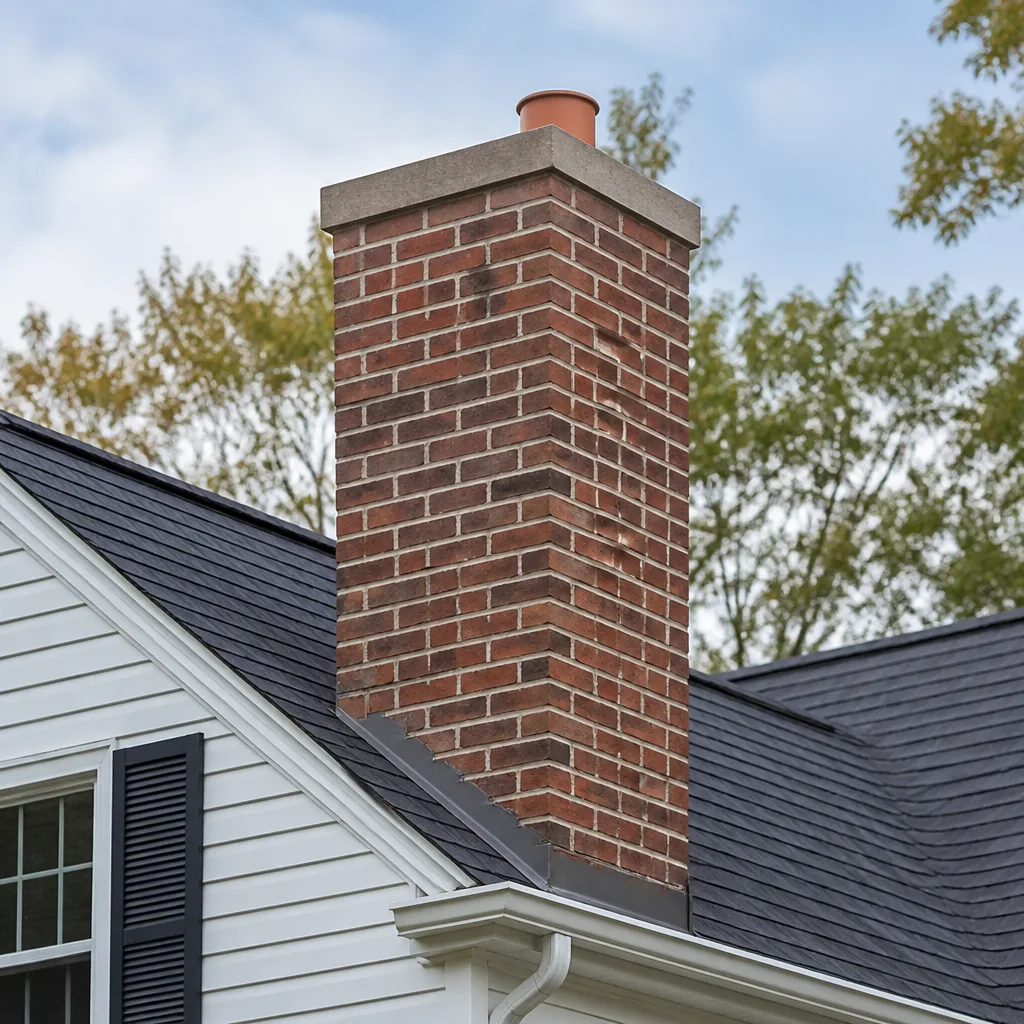 Masonry repair
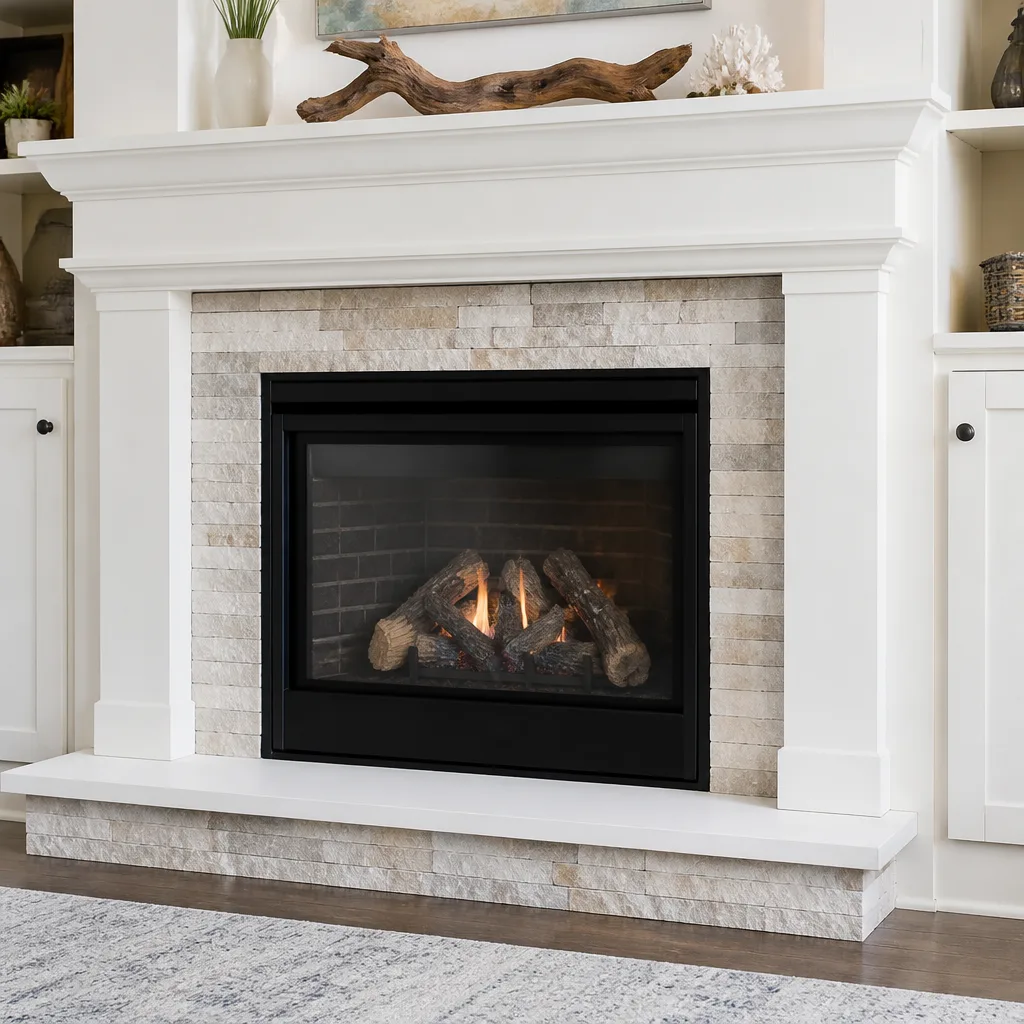 Gas fireplace service
Level 1 sweep and inspection to the NFPA 211 annual standard - flue, crown, cap, and flashing checked and photographed
Chimney sweep logs do not sweep chimneys. They loosen some creosote - which then falls where a brush and vacuum still have to collect it.
Chimney Sweep Troubleshooting in Woodbridge: Common Problems and How to Fix Them
A smoky fireplace and a cold-drafting fireplace look identical from the living room, but they need completely different corrections, and the wrong fix makes both worse. That is the single most useful thing to understand about chimney troubleshooting. Most of the problems Woodbridge homeowners call about fall into a handful of failure patterns, and each pattern has a specific mechanical cause. When you can describe which pattern you’re seeing, a technician arrives knowing what to test instead of starting from scratch. This guide maps the common symptoms to their actual causes, shows you what you can safely check yourself, and gives you a short pre-call checklist so the diagnosis starts before anyone climbs on the roof.
Quick Answer
Most chimney problems in Woodbridge come down to one of six causes: a flue obstruction, negative-pressure backdraft, cold-flue downdraft, a failed cap or crown letting water in, creosote buildup at Stage 2 or 3, or cracked flue tiles hidden behind spalling brick. The symptom (smoke in the room, a smell when the fireplace is off, crumbling mortar, poor draft) tells you which category you’re likely in. The fix is different for each, which is why self-diagnosing from the living room usually sends people toward the wrong repair.
Styles & brands we work with
- Sweep & inspection
- Caps & crowns
- Flue relining
- Masonry repair
- Gas fireplace service
Table of Contents
- Why Smoke Problems Aren’t All the Same
- Negative-Pressure Backdraft vs. Flue Obstruction vs. Cold-Flue Downdraft
- What a Smoke Smell When the Fireplace Is Off Actually Tells You
- Diagnosing Creosote Stages Without Opening the Flue
- Spalling Brick, Efflorescence, and Flue Tile Cracks: Telling Them Apart
- The Pre-Call Checklist: What to Note Before a Technician Arrives
- Why a Chimney-Only Specialist Solves These Faster
- Keeping Problems From Coming Back
Why Smoke Problems Aren’t All the Same
Smoke entering a room is a symptom, not a diagnosis. In our experience across Woodbridge, three separate problems produce a room full of smoke, and they get confused constantly because the visible result is identical: the fire burns, smoke rolls out the front instead of up the flue, and everyone assumes the chimney needs sweeping. Sometimes it does. Often it doesn’t.
The chimney is a pressure system. A fire draws air up and out because the flue is warmer and lighter than the outdoor air, and because the house lets replacement air in somewhere. Break any part of that balance and smoke comes back down. That’s why the fix for a smoky fireplace depends entirely on which part of the balance failed.
Here’s the practical split we walk Woodbridge homeowners through:
- Flue obstruction – something is physically blocking the flue: creosote, a nest, a collapsed tile, a cap screen packed with debris. The fire can’t push exhaust up because there’s no clear path.
- Negative-pressure backdraft – the house itself is pulling harder than the chimney. Bathroom fans, kitchen exhaust, a tightly sealed house, or a competing flue can reverse the draft. This is a house problem, not a sweep problem.
- Cold-flue downdraft – the flue is cold, so the column of air inside it is heavier than the room air, and it sinks down until the fire warms it up. Common on a first fire of the season, or after the chimney has sat unused.
Two of these need a technician and one you can often fix yourself by warming the flue before lighting. Telling them apart changes everything about the visit, and it’s the foundation of how we troubleshoot a chimney sweep call in Woodbridge.
Negative-Pressure Backdraft vs. Flue Obstruction vs. Cold-Flue Downdraft
The easiest way to sort these three is by timing. When does the smoke appear? The answer narrows the cause fast.
Cold-flue downdraft shows up at the start of a fire. You light it, smoke puffs into the room for a few minutes, then the fire catches and everything clears. The smoke stops once the flue warms. That’s the signature of a cold flue, and it usually resolves with a pre-warmed flue and better lighting technique.
Flue obstruction gets worse, not better, as the fire builds. The fire smokes from the moment it’s lit and stays smoky. Poor draft, a weak fire, and smoke that won’t clear all point here. The flue has something in it, and it needs to be cleared before the fire is used again.
Negative-pressure backdraft appears when something else in the house is running. The fireplace drafts fine on a quiet evening but smokes when the range hood, bathroom fan, or clothes dryer kicks on. The house is pulling air faster than the chimney can replace it, so the flue reverses.
- Note whether smoke appears at startup, during the whole burn, or only when appliances run.
- Check whether the smoke clears once the fire is well established.
- Turn off bathroom and kitchen fans and re-light to see if the behavior changes.
- Write down what you observed and when; a technician can work from that timing immediately.
That timing is exactly the kind of detail that cuts diagnostic time. If you tell us the fireplace only smokes when the kitchen fan runs, we’re checking air balance, not sweeping a flue that may be perfectly clear.
What a Smoke Smell When the Fireplace Is Off Actually Tells You
A smoke smell when the fireplace is not in use nearly always points to one of two things: rain or moisture getting into the firebox, or a cap and flashing that have failed and are letting the smell of soot and creosote back into the house instead of out. When the fire is running, that same creosote smell is normal exhaust going up the flue. When the fire is off and the house is quiet, the smell is telling you the system is letting air (and odor) move in a direction it shouldn’t.
The cap is the first suspect. A chimney cap & crown is the roof-level guard that keeps rain, animals, and wind-driven debris out of the flue. When the cap or its screen is damaged or missing, moisture comes in, and the firebox starts to smell damp and sour even with no fire burning. When the cap is fine but the crown around the flue is crumbling, water wicks into the masonry and the smell comes from the brick and mortar, not the flue itself.
What we check for a smell with no fire:
- Cap condition: is the screen intact, is the cap sitting correctly, is there visible damage?
- Crown condition: cracks, gaps where the crown meets the flue, water stains beneath it.
- Flashing condition: separated, lifted, or corroded flashing around the chimney at the roofline.
- Firebox moisture: a damp smell pointing to water that’s gotten in and isn’t drying out.
Because a smell with no fire is almost never about how clean the flue is, it doesn’t call for a sweep as the first move. It calls for a look at the top of the chimney. That’s why a full chimney inspection is the right starting point for a smell that shows up when the fire is off.
Diagnosing Creosote Stages Without Opening the Flue Yourself
You can get a useful read on creosote stage from the living room, using how your fire behaves and what color the deposits are, without opening anything. There are three recognized stages of creosote buildup, and the stage drives what kind of removal is needed.
Stage 1 is the light, sooty, flaky deposit. It brushes off with a standard sweep. Fire behavior tends to be normal. You’ll see fine gray-black soot on and around the damper if you happen to notice it, but the fire drafts fine.
Stage 2 is harder and more crusty – a denser deposit that clings. Fires start to feel a little sluggish, draft less crisply, and struggle to burn hot. A standard sweep still handles most Stage 2 buildup, but it takes more work.
Stage 3 is glazed, hard, and shiny, and it signals a serious draft problem and real fire risk. Fires are hard to light, draft poorly, and produce more smoke than they should. Stage 3 creosote often needs specialist removal rather than a routine brush.
What tips you off from the living room:
- How easily the fire lights and how briskly it drafts
- Whether the fire burns hot or stays weak and smoky
- Any visible soot or crust around the damper area
- The color of deposits you can safely see: gray flaky (Stage 1), hard brown-black crust (Stage 2), shiny glaze (Stage 3)
What we don’t advise is poking around inside the firebox yourself to inspect the flue. Creosote is the fuel that feeds chimney fires and a chimney sweep’s basic job is to remove it before it reaches a dangerous stage. Annual sweeping keeps buildup from advancing, and for a working fireplace in Woodbridge that annual sweep is the cheapest way to stay out of Stage 3 entirely. Our technicians have up to 11 years of experience reading exactly this progression, and a chimney sweep is where the diagnosis starts.
Spalling Brick, Efflorescence, and Flue Tile Cracks: Telling Them Apart
Homeowners routinely conflate three different problems that all show up as “something wrong with the brick.” They are not the same and they require different repairs, so telling them apart matters.
Spalling brick is brick whose face is flaking, peeling, or breaking off. It usually means water has gotten into the brick and mortar and is forcing the surface off as it dries or expands. Spalling is a moisture problem first, a masonry problem second.
Efflorescence is a white, powdery, crystalline deposit on the surface of the brick or mortar. It’s the salt that water carried through the masonry leaves behind as it evaporates. Efflorescence by itself is cosmetic – it signals moisture moving through, but it’s not structural damage yet. It’s a warning, not a failure.
Flue tile cracks are invisible from outside. They live inside the flue, they don’t show up on the brickwork at all, and they’re the most serious of the three. A cracked flue tile lets heat and gases reach the surrounding structure and lets smoke and carbon monoxide shift out of the intended path. You don’t see them from the roof or the living room; you see them on a camera inspection.
Here’s the practical distinction we use with Woodbridge homeowners:
- Surface flaking and broken brick faces: spalling, a moisture and masonry issue.
- White powder that wipes off: efflorescence, a moisture signal to investigate.
- No visible exterior sign but poor draft, smoke, or a smell: suspect a flue tile crack and get a camera inspection.
That last point is why exterior inspection alone can’t rule out a damaged flue. The hidden problem is the dangerous one, and it only shows up when a camera goes up the flue. Any chimney repair plan built on exterior brick alone is missing the part that matters most.
The Pre-Call Checklist: What to Note Before a Technician Arrives
You can cut diagnostic time and the cost of the visit with a few minutes of observation before you call. The more precise the symptom description, the faster the problem gets pinned down. Here’s the checklist we give people before they call us in Woodbridge.
- Timing of the smoke: startup, whole burn, or only when other appliances run? Note which appliance.
- Fire behavior: easy to light and drafts well, or sluggish and smoky?
- Smell with the fire off: none, damp, or strong soot smell? Any dampness in the firebox?
- Visible deposits: gray flaky soot, hard crust, or shiny glaze around the damper area?
- Exterior signs: flaking brick, white powder, cracks in the masonry, a damaged or missing cap, water stains.
- Chimney history: when was it last swept, was the last inspection clean, and does the fireplace have a gas insert or is it wood-burning?
- The roof: any visible gaps at the roofline, or is the cap sitting crooked?
Write these down and read them off when you call. A technician who hears “smokes at startup, clears once the fire is hot, no smell with the fire off, gray soot at the damper” knows it’s likely a cold-flue issue, not a Stage 3 creosote problem, and arrives with the right tools. Someone who hears “smokes the whole burn, weak fire, shiny glaze at the damper” is prepared for specialist creosote removal. Same symptom, opposite prep.
The right starting point for most of these is a full roof-to-firebox inspection, and we include a camera inspection and photo report so you can see what the technician sees. You shouldn’t have to take a liner or masonry recommendation on faith, and with photos from inside the flue you don’t have to.
Why a Chimney-Only Specialist Solves These Faster
Most of the problems in this guide cross trade lines. A leaking crown is roof work, masonry work, and flue work at once. A failed draft is part house balance, part flue condition. A hidden tile crack is invisible until someone with a camera looks up the flue. The reason general contractors struggle with chimneys is that they touch each of these occasionally, but none of them is the whole job.
We work on chimneys exclusively. From inspection to full repair, we handle the entire system under one service relationship, so you don’t have to coordinate a mason, a sweep, and a cap installer separately. When the diagnosis turns out to be a compromised flue tile rather than a blockage, we apply HeatShield resurfacing to restore it, and when the flue needs a structural liner, we install DuraFlex flexible liner systems. When the fix is at the top of the chimney, we install Gelco and Olympia Chimney caps and work with Famco venting components. Those are the professional-trade materials specified in certified chimney restoration work, not the hardware-store substitutes that fail early.
That scope matters for troubleshooting because the fix is often in a different part of the system than the symptom. The smoke problem might come from the crown; the smell might come from the flashing; the poor draft might come from a cracked tile. One specialist who sees the whole chimney can trace the symptom to its actual cause instead of sweeping the flue and calling it done. If you have an active fireplace, need the full range from inspection and fireplace repair to cap and crown work, or you’ve just noticed a specific symptom you can’t place, one relationship covers all of it.
Keeping Problems From Coming Back
Most of the problems in this guide are preventable, and the prevention is the same handful of habits. Once we’ve cleared the diagnosis and repaired the root cause, keeping it from returning is mostly maintenance on a predictable schedule.
Annual sweeping is the single highest-value habit. It keeps creosote from advancing past Stage 1, it catches flue tile cracks on camera before they become structural, and it puts eyes on the cap and crown every year so small moisture problems get fixed before they turn into spalling. For a working fireplace, once a year – before the burning season starts – is the standard.
The other habits worth building:
- Burn seasoned, dry wood. Wet wood creates more creosote and more smoke. It also makes the fire sluggish, which masks real draft problems.
- Warm the flue before lighting on cold starts. A quick pre-warm reduces cold-flue downdraft and makes the first fire of the season less smoky.
- Keep the cap and screen intact. A missing or damaged cap is how water, animals, and debris get in. It’s the root of a lot of “mystery” problems.
- Watch the crown for cracks. A crown that’s cracking is letting water into the brick and mortar. Fixing it early prevents efflorescence from turning into spalling.
- Investigate any smell with the fire off. A smoke smell when the fireplace is idle points to the roof, not the flue, and it’s worth a look before it gets worse.
These five habits head off the failure patterns in this guide, and they make the annual inspection far less likely to find a surprise.
Common Mistakes to Avoid
- Assuming every smoke problem needs a sweep. If the smoke only appears when the kitchen or bathroom fan runs, you have a pressure problem, and sweeping a clean flue won’t fix it.
- Treating spalling brick as purely a masonry job. Spalling starts with water getting in, and if you repair the brick without fixing the leak from the crown or flashing, the new brick spalls too.
- Mistaking efflorescence for structural damage. White powder wipes off and signals moisture, not a failing wall. Repairing brick that only has efflorescence is wasted work.
- Assuming the flue is fine because the outside looks fine. Cracked flue tiles never show on the exterior. Only a camera inspection finds them.
- Ignoring a smoke smell when the fireplace is off. A smell with no fire is almost always a roof-level problem – cap, crown, or flashing – and it gets worse with every rain.
- Letting creosote reach Stage 3 before acting. Once the deposit is glazed and shiny, a basic sweep may not handle it, and the fire risk is real.
- Hiring three separate trades for one chimney problem. A leak that shows up as a smell and a brick problem needs one specialist who can trace it from flue to crown, not three contractors each fixing their slice.
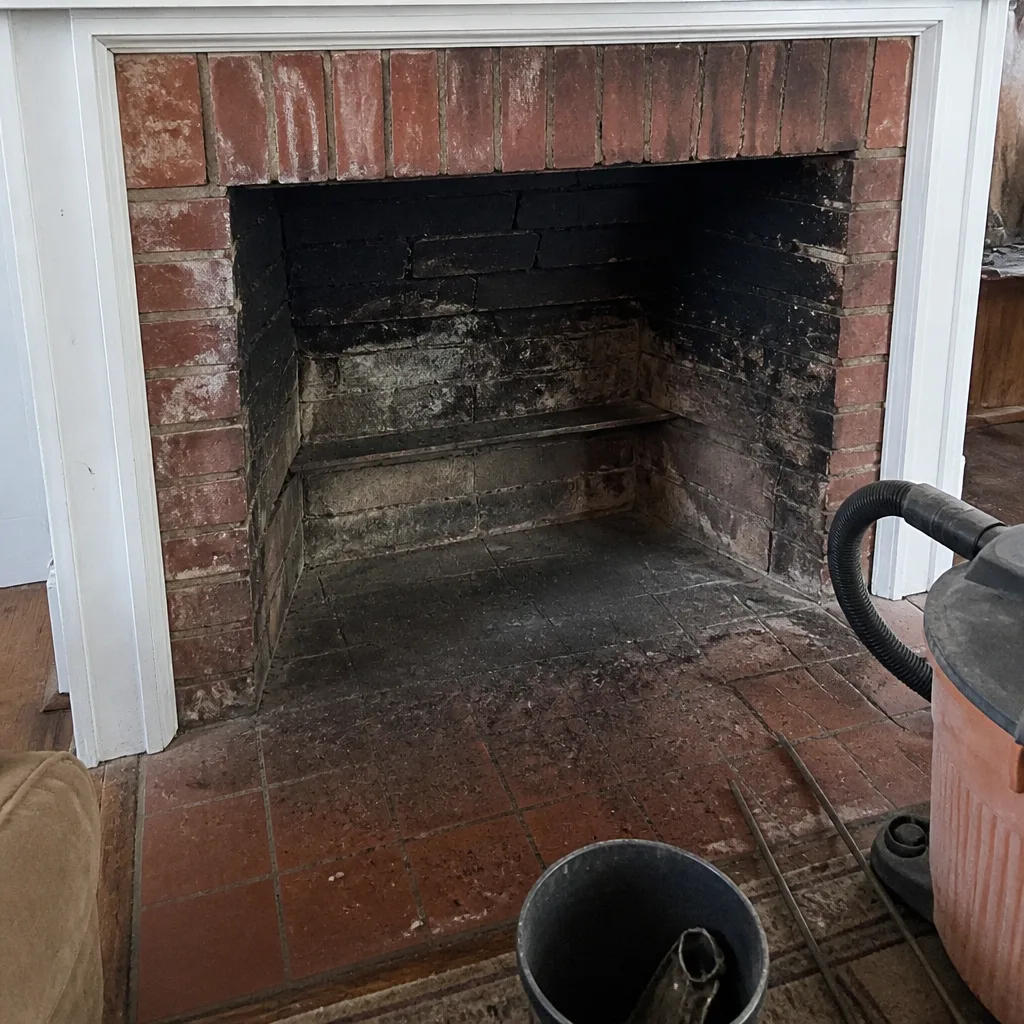
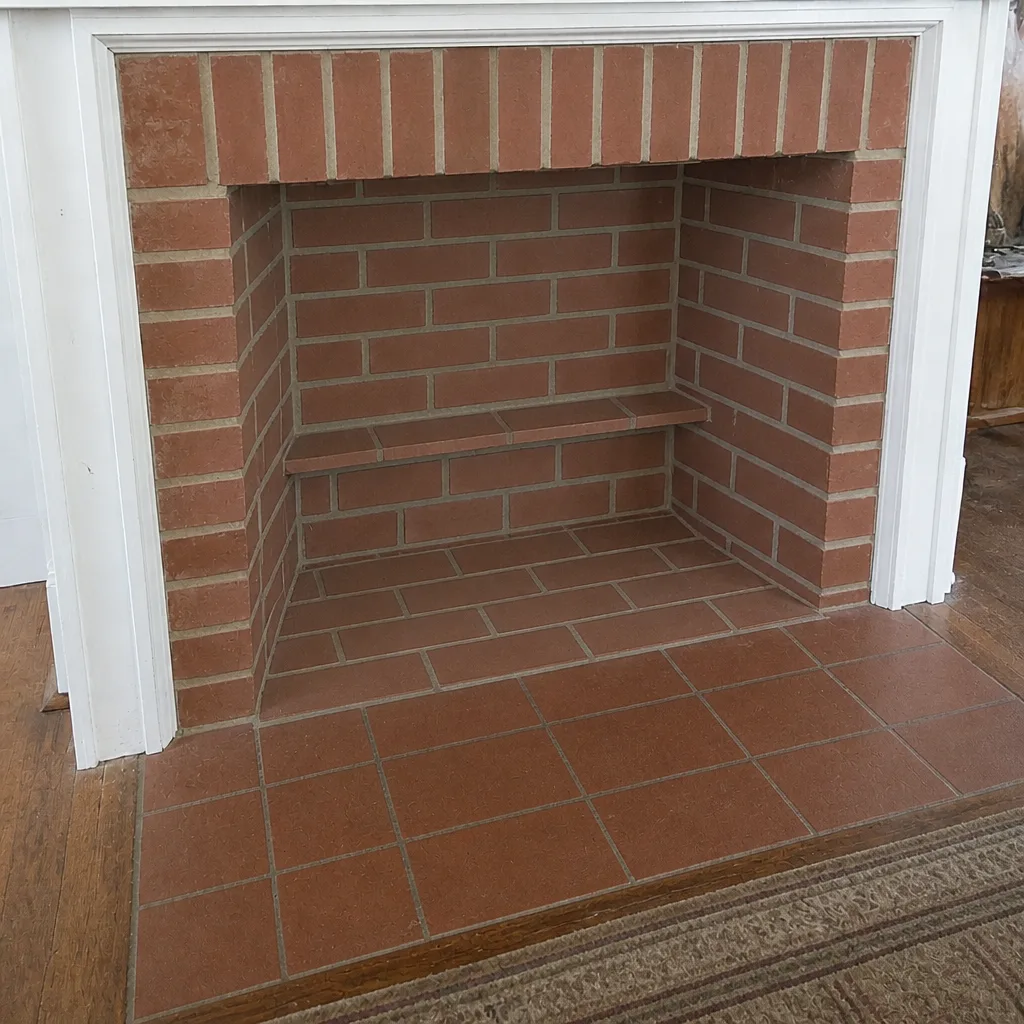
See the difference
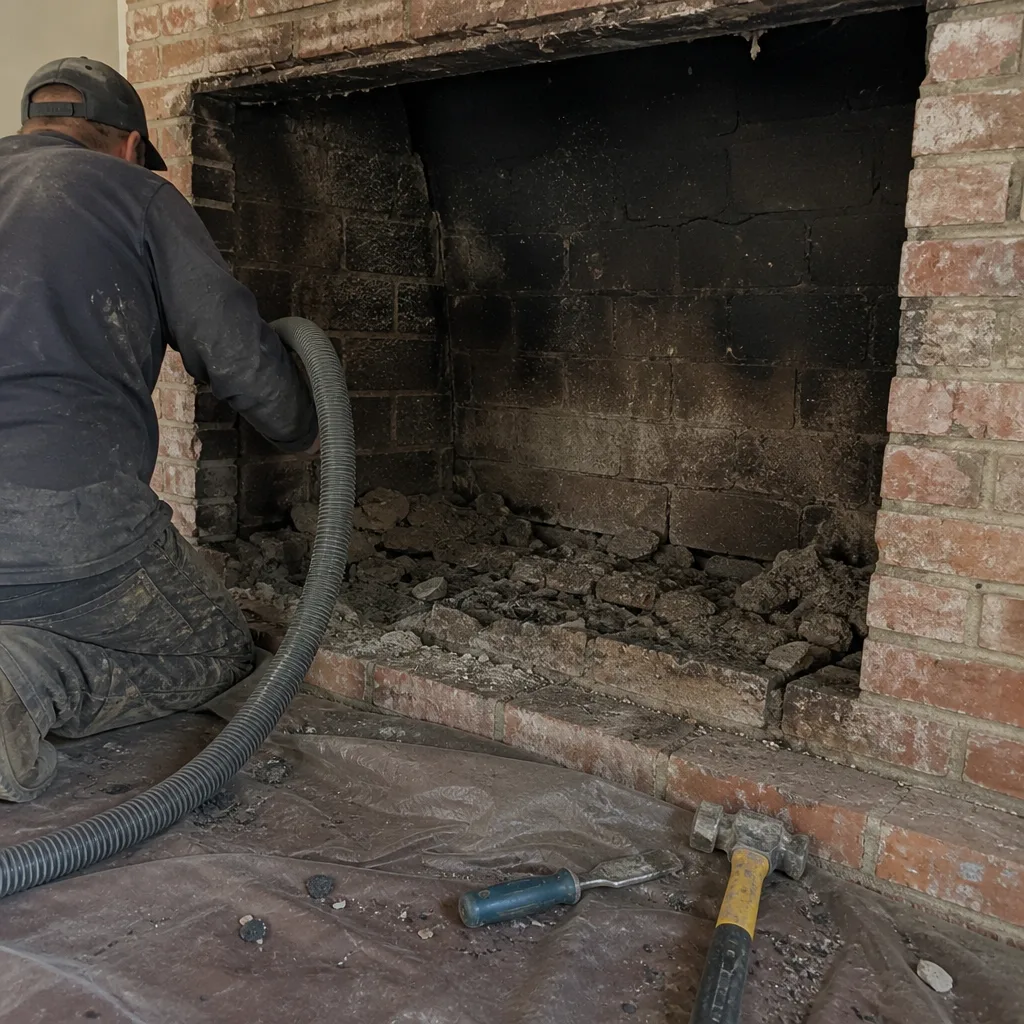 Before
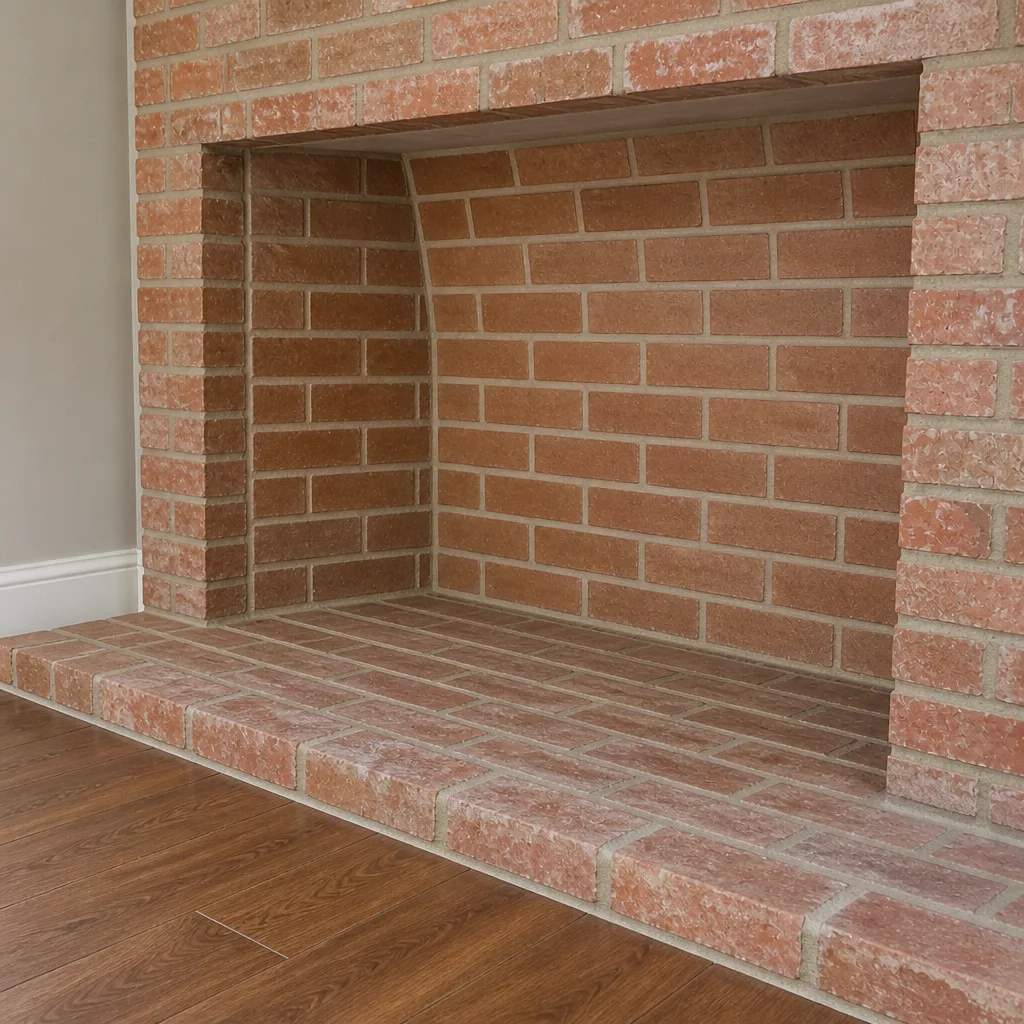 After
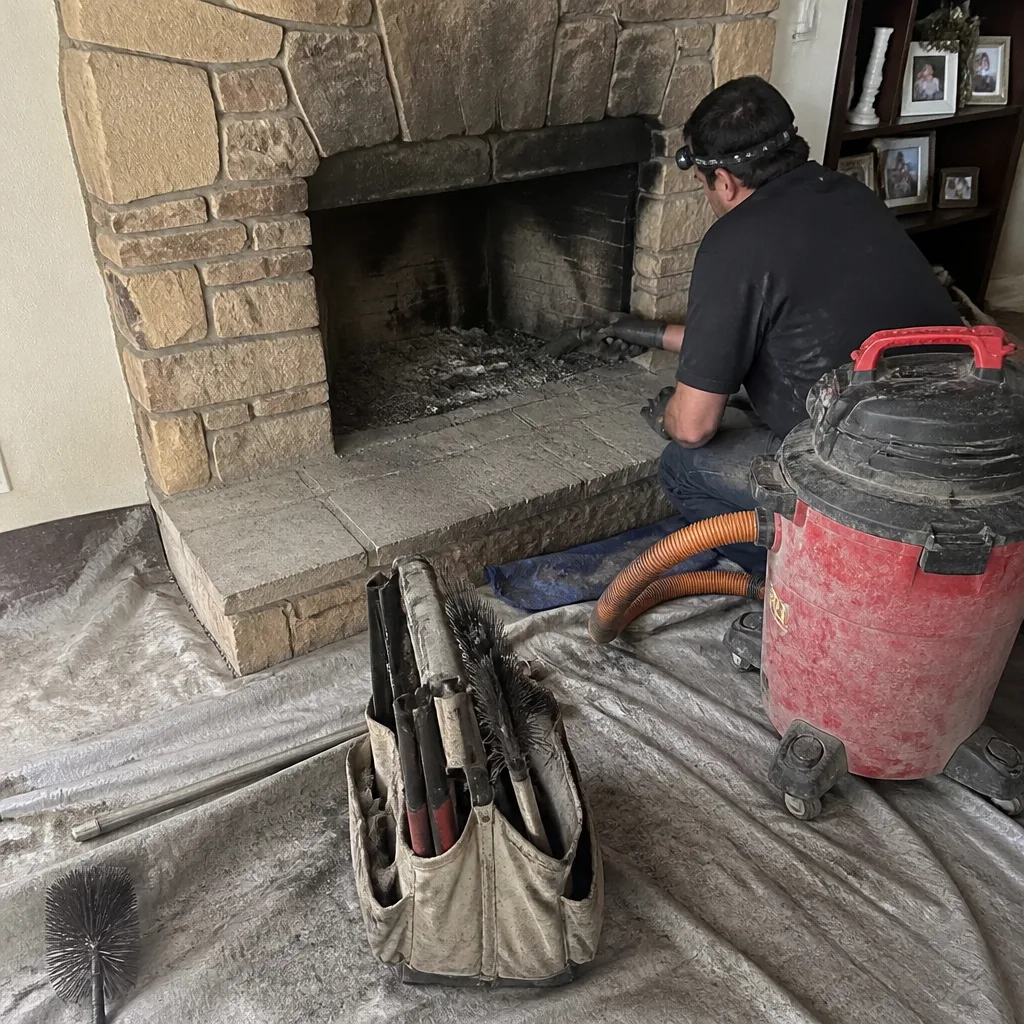 Before
 After
 Before
 After
When to Call a Professional
Some symptoms you can sort out yourself – a cold-flue downdraft on a first fire that clears once the flue warms is usually operational, not dangerous. But certain situations call for a trained professional before you light another fire. Call us if smoke won’t clear once the fire is going, if the fire turns sluggish or smokes the whole burn, if you see shiny glazed deposits at the damper, if a smoke smell shows up when the fireplace is off, or if you notice flaking brick, a crumbling crown, or a damaged cap. The reason to call rather than test the theory yourself is that the flue is a life-safety system: a hidden tile crack or a Stage 3 deposit is a real fire and carbon monoxide risk, and it’s not something to poke at from the firebox. Chimney Sweep Woodbridge offers free estimates in Woodbridge – call (833) 513-8683. We answer 24/7. Fast dispatch from 7am to 7pm, Sunday through Friday.
Frequently Asked Questions
The most common problems we see are flue obstruction, negative-pressure backdraft, cold-flue downdraft, a failed cap or crown letting moisture in, creosote at Stage 2 or 3, and cracked flue tiles hidden behind otherwise normal-looking brick. Each produces a different symptom, though smoke in the room can come from three of them. Call (833) 513-8683 for an inspection that sorts them apart – estimates are free.
Intermittent smoke is usually a negative-pressure backdraft, which means the house is pulling harder than the chimney when another appliance – a range hood, bathroom fan, or dryer – is running. If the smoke only appears at startup and clears once the fire is hot, it’s more likely a cold-flue downdraft. Noting when it smokes before you call cuts the diagnostic time. Call (833) 513-8683 to book a diagnosis.
A smoke smell with no fire nearly always points to the top of the chimney – a failed cap, damaged crown, or separated flashing letting moisture and soot smell back into the house. It’s rarely a cleaning problem, so it doesn’t call for a sweep first. It calls for a look at the cap and crown. Call (833) 513-8683 for an inspection before the next rain.
You can get a useful read from how your fire behaves and the color of deposits around the damper: gray flaky soot is Stage 1, hard crust is Stage 2, and shiny glaze is Stage 3. Glazed deposits plus a sluggish, smoky fire are the signal to get a professional out. Don’t probe the flue yourself to check. Call (833) 513-8683 and book a sweep and inspection.
For a working fireplace, once a year, ideally before the burning season, is the standard. Annual sweeping keeps creosote from advancing past Stage 1 and puts a camera on the flue tiles every year so hidden cracks get caught before they become structural. A gas insert or an unused fireplace needs its inspection on a different schedule. Call (833) 513-8683 to set one up.
Skipping the annual sweep lets creosote advance toward Stage 3, which raises real chimney-fire risk, and it lets a hidden flue tile crack or a failing crown go unnoticed until it becomes a structural repair or a moisture problem. None of that is a scare tactic – it’s just what the deposits and the masonry do without supervision. Call (833) 513-8683 for an inspection that tells you where your chimney actually stands.
The Bottom Line
Chimney troubleshooting starts with sorting the symptom, not the schedule. A smoky fireplace can be a cold flue, an obstruction, or a pressure problem, and each has a different fix. A smell with the fire off points to the cap, crown, or flashing, not the flue. Flaking brick, white powder, and cracked flue tiles are three different problems that need three different answers, and only a camera finds the one that’s dangerous. Use the pre-call checklist so the diagnosis starts before anyone arrives, keep up the annual sweep, and when something crosses into the chimney’s real safety territory, bring in a chimney-only specialist. That’s how you get from a mystery symptom to a fix that stays fixed.
Contact
If any problem in this guide sounds familiar, the next step is simple: call us for a free estimate. Chimney Sweep Woodbridge offers free estimates and covers the full range of chimney work – inspection, sweeping, cap and crown, fireplace repair, and full chimney repair – using professional-trade materials from DuraFlex, HeatShield, Gelco, Olympia Chimney, Famco, and Copperfield, with a camera inspection and photo report included so you can see the evidence for yourself. Call (833) 513-8683. We answer 24/7. Fast dispatch from 7am to 7pm, Sunday through Friday.
Written by the team at Chimney Sweep Woodbridge.