
Last updated November 25, 2026
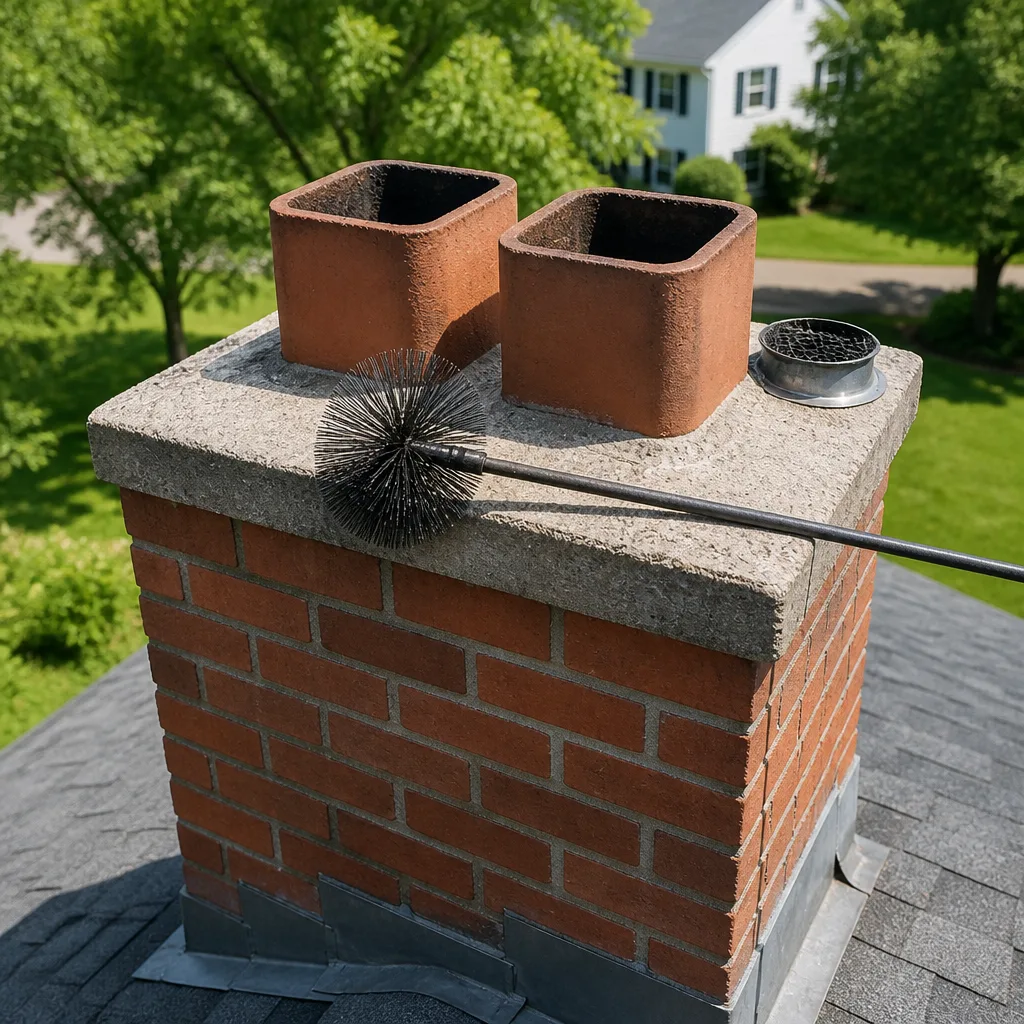 Sweep & inspection
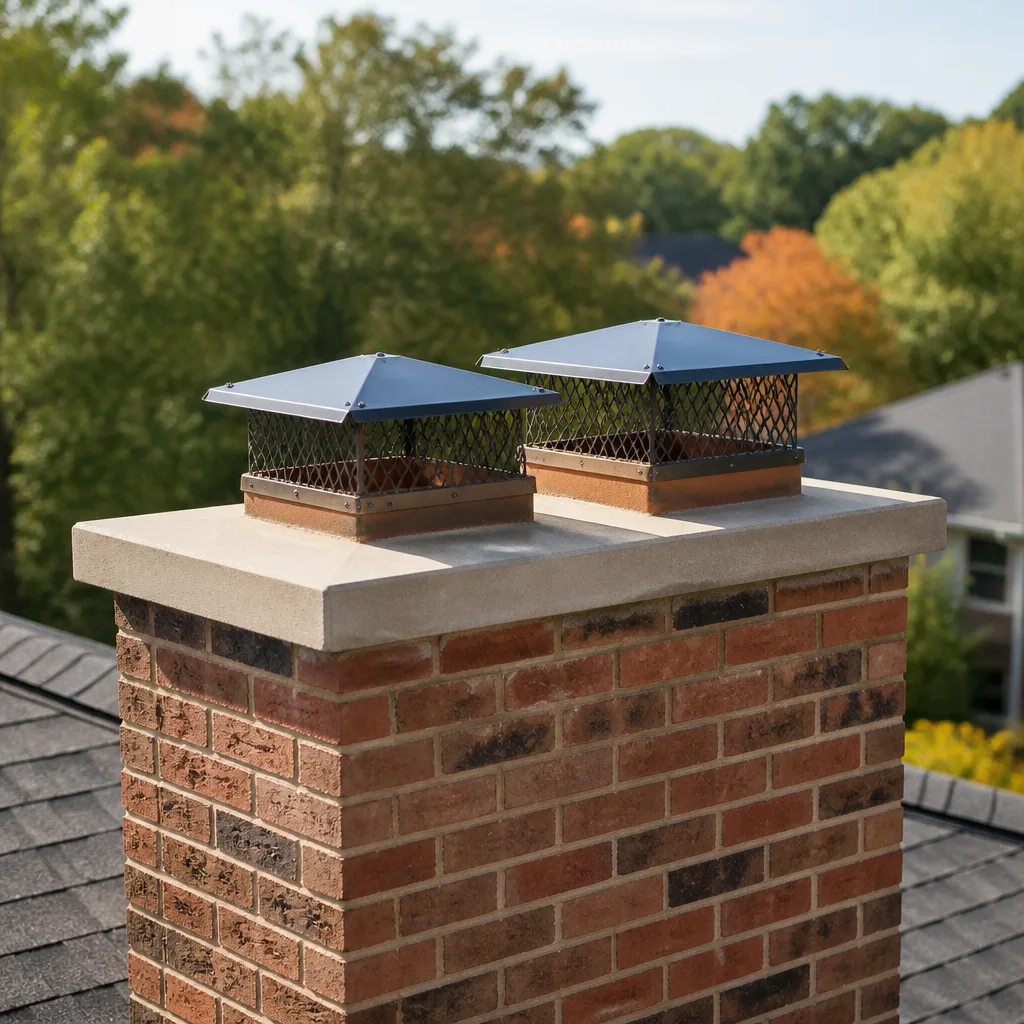 Caps & crowns
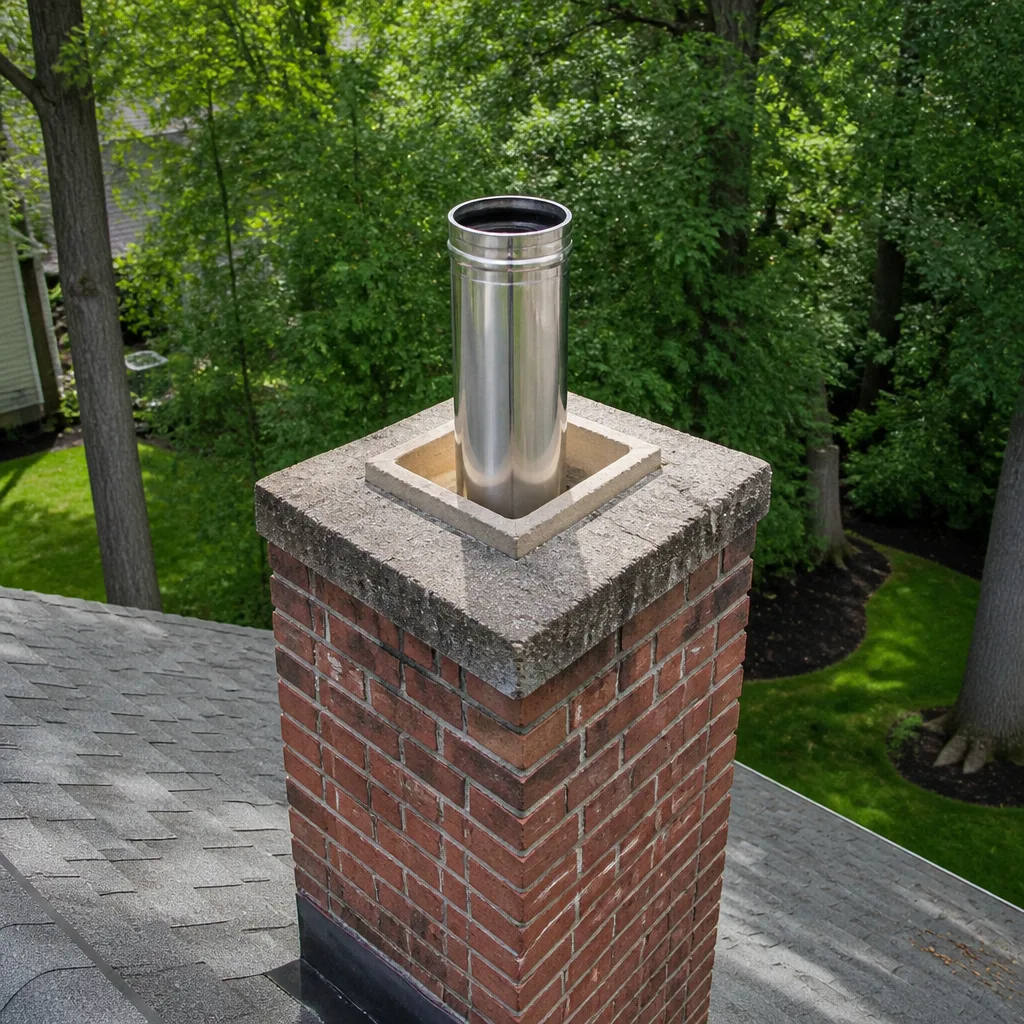 Flue relining
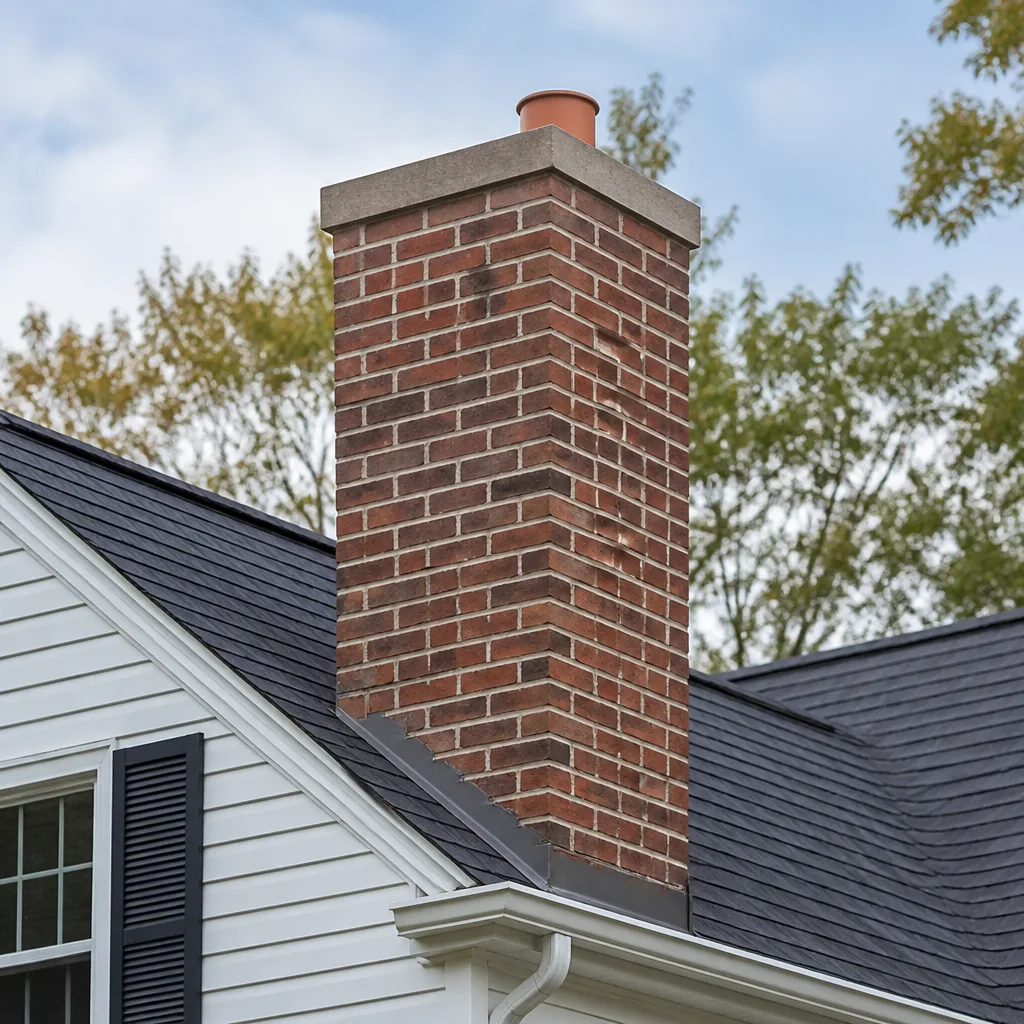 Masonry repair
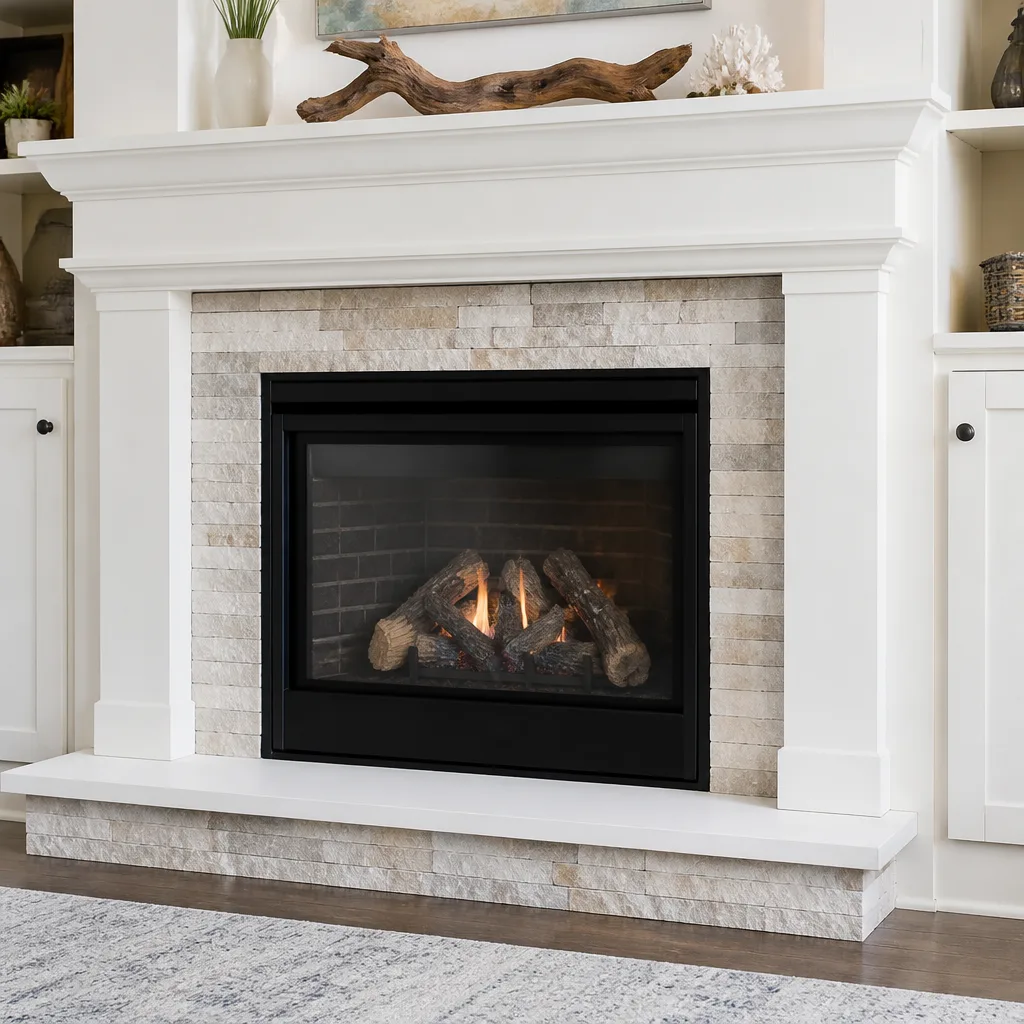 Gas fireplace service
Level 1 sweep and inspection to the NFPA 211 annual standard - flue, crown, cap, and flashing checked and photographed
Chimney sweep logs do not sweep chimneys. They loosen some creosote - which then falls where a brush and vacuum still have to collect it.
Chimney Sweep Maintenance Checklist for Woodbridge Homeowners
“Annual sweep” is a rule of thumb, not a standard. A fireplace burned twice a season and one used nightly from November through March don’t carry the same load, don’t build the same creosote, and don’t need the same maintenance on the same schedule. Treating the calendar as the authority is how homeowners either overpay for clean flues or let a real problem sit untouched for a year. What matters is condition, not the date. This guide gives Woodbridge homeowners a checklist built around observable, measurable signs: what you can safely assess yourself, what needs a professional tool or camera, how to identify creosote stages from the firebox opening, and how to log a maintenance record that holds up at resale and with your insurer.
Quick Answer
A chimney maintenance checklist works best when it’s condition-based rather than calendar-based. Check the cap, damper, and visible firebox monthly during burning season, look for creosote buildup and moisture signs each season, and book a professional inspection and sweep whenever you see Stage 2 or 3 creosote, glazing, spalling, or a draft problem. In Woodbridge, post-tule-fog moisture checks and post-burn-ban readiness assessments are the two seasonal triggers worth building into your routine.
Styles & brands we work with
- Sweep & inspection
- Caps & crowns
- Flue relining
- Masonry repair
- Gas fireplace service
Table of Contents
- Why a Condition-Based Checklist Beats a Calendar-Driven One
- Tier 1: What You Can Safely Check Yourself
- Tier 2: What Needs a Professional Tool or Camera
- Reading Creosote Stages From the Firebox Opening
- Woodbridge Seasonal Triggers: Tule Fog and Burn-Ban Lift
- Exterior Checks: Cap, Crown, and Flashing After Heavy Rain
- Building a Maintenance Log That Holds Up at Resale
- When to Call a Professional
Why a Condition-Based Checklist Beats a Calendar-Driven One
The traditional “once a year” sweep advice assumes average use, average fuel, and average draft. Real households in Woodbridge rarely hit all three. A homeowner burning seasoned almond wood in a well-drafted masonry fireplace produces very different deposits than someone burning unseasoned oak in a firebox with a weak draw. The annual rule doesn’t account for how much you actually burn.
The better framework is to tie maintenance actions to specific conditions you can observe:
- Deposit thickness: any visible creosote buildup over roughly 1/8 inch means it’s time to sweep.
- Draft quality: smoke rolling into the room, a lazy fire, or a smoky smell on startup are draft signals, not cosmetic annoyances.
- Moisture intrusion: water stains on the firebox brick, rust on the damper, or a musty smell in the flue.
- Structural symptoms: spalling brick, loose mortar joints, cracked flue tiles, or a crumbling crown.
- Occupancy pattern: a hearth used nightly through the winter needs eyes on it more often than one used a few times in December.
Our view after years of work in this trade is simple: a homeowner who knows what to look for, and when to look, gets more out of a maintenance checklist than one who follows a fixed interval and ignores the early signs. Our technicians have up to 11 years of experience, and the pattern we see most often is that the condition-based approach catches problems earlier and prevents expensive repairs.
Tier 1: What You Can Safely Check Yourself
Some chimney checks require no tools, no climbing, and no risk. These are the items to build into a monthly routine during burning season, and a quarterly routine the rest of the year. Do these checks with the fire fully out and the firebox cold.
- Cap condition: Look at the top of the chimney with binoculars from the ground. A Gelco or Olympia Chimney cap still in place with intact mesh and no obvious rust-through means the cap is doing its job. A missing or damaged cap is the most common entry point for water, birds, and debris. If yours is loose, missing, or the wrong size, cap work should move to the top of your list.
- Damper operation: Open and close the damper by hand. It should move smoothly and seat fully open and fully closed. A damper that sticks, won’t fully close, or won’t stay open means you’re losing heat up the flue or restricting draft, and it needs attention.
- Firebox cracks and joints: Shine a flashlight on the firebox brick and mortar joints. Hairline surface cracks in the firebrick are common and often cosmetic. Deep cracks that extend through brick, or missing mortar in the joints, need a professional eye before the next fire.
- Smoke and draft signals: Does smoke roll back into the room on startup? Does the fire smoke into the room when the door is open? Is there a smoky smell when the fireplace is cold? These indicate a draft or blockage problem that needs diagnosing.
- Obvious water signs: Water stains, damp spots, or a musty smell in the firebox after rain are signs of moisture entering from above. Check this especially after heavy rain events.
- Ash buildup: Keep the ash bed under control. A firebox choked with ash doesn’t burn efficiently and makes it harder to check the firebox floor for cracks.
These checks are safe and useful. They don’t replace a professional inspection, but they let you flag problems early and know when to call. If your self-check turns up a cap or crown problem, that’s the kind of work a specialist can handle in one visit. A proper chimney cap and crown is what keeps water, wildlife, and debris out of your flue year-round, and it’s often the first structural fix we recommend on older homes.
Tier 2: What Needs a Professional Tool or Camera
Some checks cannot be done safely or accurately from the firebox. These require climbing a roof, running a camera down the flue, or using professional tools. This is the tier where a real inspection happens.
- Full flue camera inspection: A video camera run down the flue shows cracks, gaps, offsets, and damage that cannot be seen from below or from the roof. This is the only way to accurately assess the condition of a flue liner, and it’s what separates a real inspection from a visual check.
- Creosote depth measurement: A trained sweep uses a scraper and visual inspection to measure creosote deposits accurately. What looks like a light coating from below can be a thick, glazed stage from above.
- Draft testing: Smoke tests and draft measurements diagnose draft problems that self-checks can only guess at.
- Crown and flashing inspection: A close inspection of the crown and flashing at the roofline identifies cracks, separations, and failing seals that cause water intrusion. This requires getting onto the roof safely.
- Flue tile integrity: Cracked or missing flue tiles are a serious issue that only shows up on close inspection or camera. Damaged tiles let heat and gases reach combustible material, which is a life-safety concern.
- Liner assessment: A full assessment of a clay flue liner, or of a stainless system, requires climbing and inspection. If a liner is compromised, we install DuraFlex flexible liner systems to reline the flue.
We work exclusively on chimneys, and our inspection scope reflects that. From a full camera inspection to a HeatShield resurfacing application on compromised flue tiles, one company can handle the diagnostic and the repair. That matters because it removes the gap between “we found a problem” and “who fixes it.”
Reading Creosote Stages From the Firebox Opening
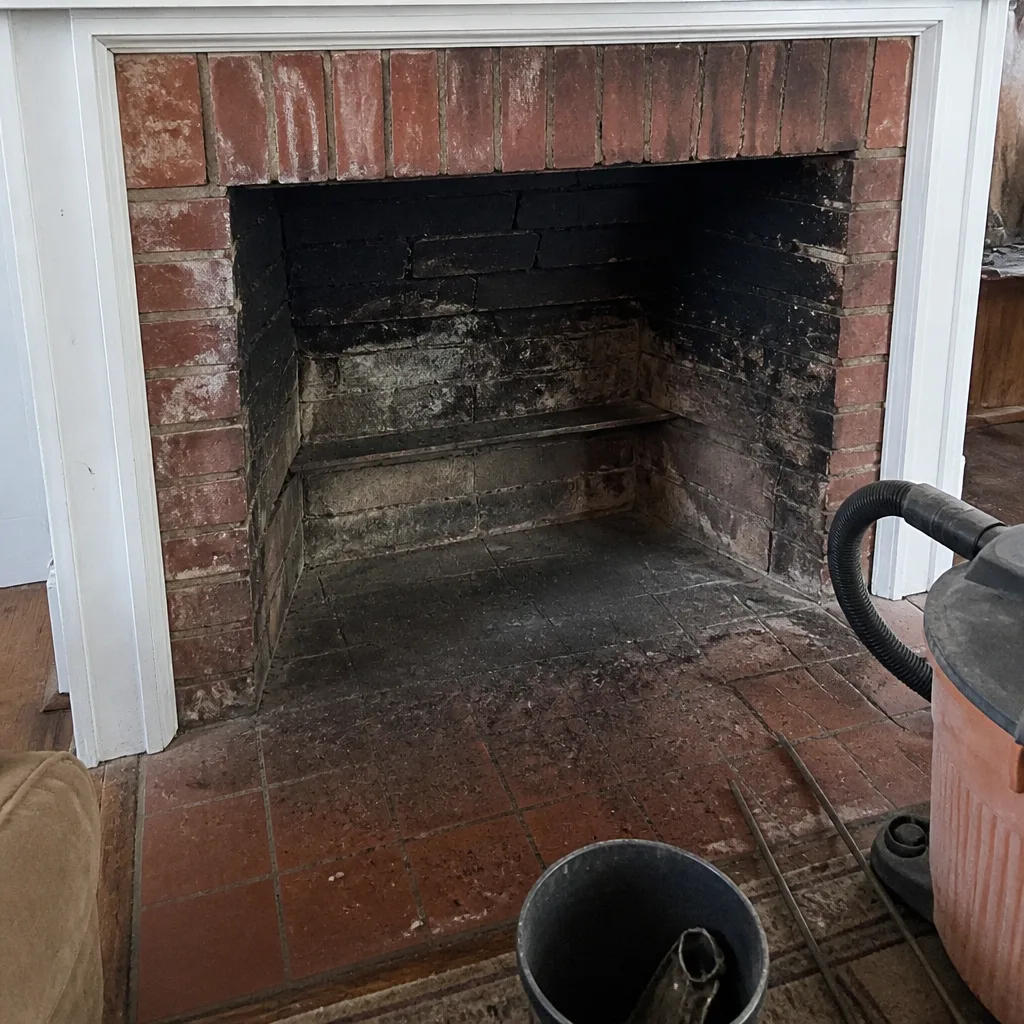
Creosote is the biggest single factor in chimney safety, and you can identify its rough stage from the firebox opening without climbing the roof. Creosote forms in three recognizable stages, each with different risk and cleanup needs.
- Stage 1 (soot and light flaky deposits): Looks like a thin, dusty, or flaky coating on the flue walls. It’s mostly soot and brushes off easily. This is the normal state after a season of wood burning and is manageable with a routine sweep.
- Stage 2 (hard, shiny, crusty deposits): Looks like a thick, dark, crusty layer that has hardened on the flue walls. It doesn’t brush off easily with a standard sweep. This stage is the first real warning sign and needs professional removal with the right tools.
- Stage 3 (glazed, tar-like deposits): Looks like a shiny, glossy, tar-like coating, sometimes with a darker, almost wet appearance. It’s highly combustible and the most dangerous. Stage 3 creosote can fuel a flue fire, and it requires specialized removal tools and often a HeatShield application or liner work if the flue tiles are compromised.
From the firebox opening, look up along the first few feet of flue with a strong flashlight. A light, flaky coating is stage 1. A thick, crusty layer that’s hard to the touch is stage 2. A glossy, tar-like sheen is stage 3. If you see stage 2 or stage 3, book a professional sweep before your next fire.
Fuel choice matters here. Well-seasoned, dry wood burned hot produces less creosote than green or unseasoned wood burned slow and smoldering. The way you burn directly affects how often you need to sweep. This is the single biggest lever you have over creosote buildup.
Woodbridge Seasonal Triggers: Tule Fog and Burn-Ban Lift
Woodbridge has its own seasonal rhythm, and a maintenance checklist that ignores it will miss the most important timing windows. Two triggers deserve a place on your calendar.
Post-tule-fog moisture check. Tule fog in the Central Valley brings weeks of damp, dense, still air in the late fall and winter. For a chimney, that means moisture-driven problems. Damp, cool air that sits on the chimney exterior stresses the crown and mortar. Moisture works into the brick and mortar, and the visible sign is often rust on the damper, water stains inside the firebox, or spalling brick on the exterior. After the fog season, do a check: look for rust, damp spots, and brick deterioration. This is a Woodbridge-specific trigger that a generic checklist won’t have.
Post-burn-ban readiness assessment. When a burn ban lifts, many homeowners do a “test fire” to see how the fireplace is drawing. That’s the moment to be sure the flue is clean and the cap is intact. A fireplace that sat unused through a burn ban may have accumulated debris, a bird nest, or leaf litter. Before the first fire after a ban lifts, do a visual check from the firebox and confirm the cap is in place. If anything is off, call for an inspection before you burn.
These are the triggers that matter most in Woodbridge. They sit outside the annual sweep model and are why a condition-and-season approach gets better results than a date on the calendar.
Exterior Checks: Cap, Crown, and Flashing After Heavy Rain
Occasional heavy rain events in the region are a good prompt to inspect the exterior of your chimney. Water is the most common cause of chimney damage, and it usually enters at three points: the crown, the flashing, and a missing or damaged cap.
- The crown: The crown is the concrete or mortar cap at the top of the chimney. Look for cracks, crumbling, or separation from the flue. A cracked crown lets water in, and freeze-free winters don’t save you from that. A damaged crown needs repair or replacement, and that’s a job for a specialist.
- The flashing: Flashing is the metal or sealant that joins the chimney to the roof. Look for lifted edges, gaps, or rusted flashing. Failing flashing is a common source of roof leaks around the chimney.
- The cap: Confirm the cap is in place, sized correctly, and the mesh is intact. A Gelco or Olympia Chimney cap protects the flue from rain, debris, and animals. If your cap is missing or damaged, that’s the first thing to fix.
We apply HeatShield to resurfacing work where the crown or flue needs a durable, professional-grade repair material. That’s a repair material most general contractors don’t carry and can’t apply, and it’s one reason chimney work belongs with a chimney specialist.
After a heavy rain event, do a quick walk-around: check the roofline for missing cap or visible damage, look at the ceiling below the chimney for any water stains, and check the firebox for moisture. Catching water intrusion early is far cheaper than repairing the damage it causes.
Building a Maintenance Log That Holds Up at Resale
A maintenance log is one of the most useful things a homeowner can keep, and it creates real value at resale. Insurance companies increasingly ask for documented maintenance when a claim involves a chimney, and buyers want proof the fireplace was cared for.
To build a useful log, record these for every inspection and sweep:
- Date of service and what was done (inspection, sweep, cap, liner, repair).
- What the technician found (creosote level, flue condition, cap condition, any damage).
- Any recommended repair or follow-up and whether it was performed.
- Photos and a report if provided. A camera inspection report with photos is the strongest record you can have.
- Materials used if repairs were done (for example, a DuraFlex liner system or a HeatShield resurfacing application).
Keep it in one place, in a folder or a digital record, so it’s ready when an inspector, insurer, or buyer asks. A documented history also makes it easier for us, or any specialist, to pick up where the last service left off. If you’ve moved into a Woodbridge home and don’t have a log, start one now. It’s never too late to begin documenting the condition of your flue.
Common Mistakes to Avoid
- Assuming the annual sweep is enough regardless of use. A homeowner burning nightly through the winter needs more frequent attention than one burning occasionally, and the annual rule doesn’t reflect that difference.
- Ignoring a missing or damaged cap. In Woodbridge, a missing cap means rain, debris, and animals have an open door into your flue. Fix the cap before worrying about minor interior deposits.
- Burning unseasoned wood and expecting the same sweep interval. Green or damp wood produces much more creosote than dry, seasoned wood. Your fuel choice drives your maintenance needs.
- Skipping the post-tule-fog moisture check. The damp, still air of tule fog season stresses the crown and mortar. A routine post-fog check catches water damage while it’s still cheap to fix.
- Doing “test fires” after a burn ban lifts without checking the flue. A flue that sat unused can collect debris or a bird nest. Check before you burn.
- Treating stage 2 or stage 3 creosote as cosmetic. Hard crusty or glazed deposits are combustible and require professional removal, not a homeowner brush.
- Not keeping a maintenance record. Missing documentation weakens your position at resale and with insurers. A simple log is worth the effort.
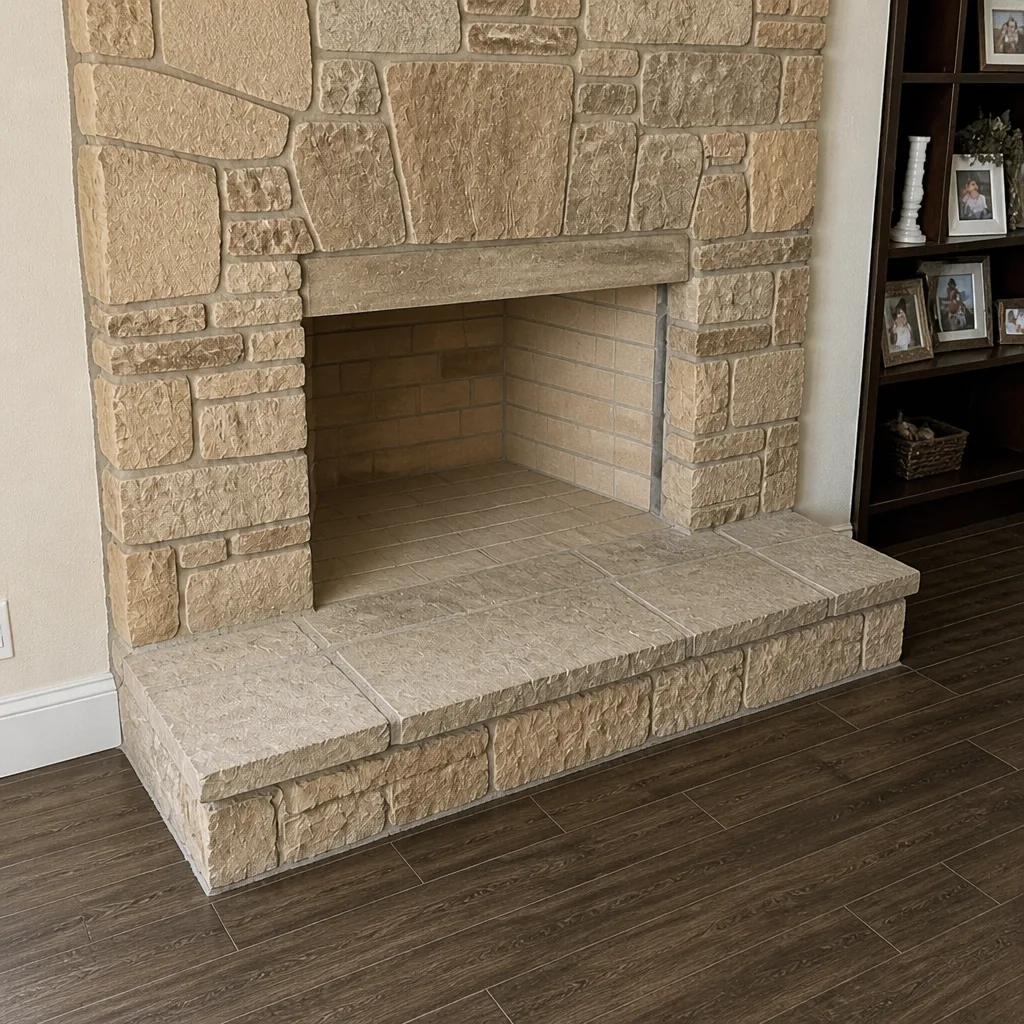
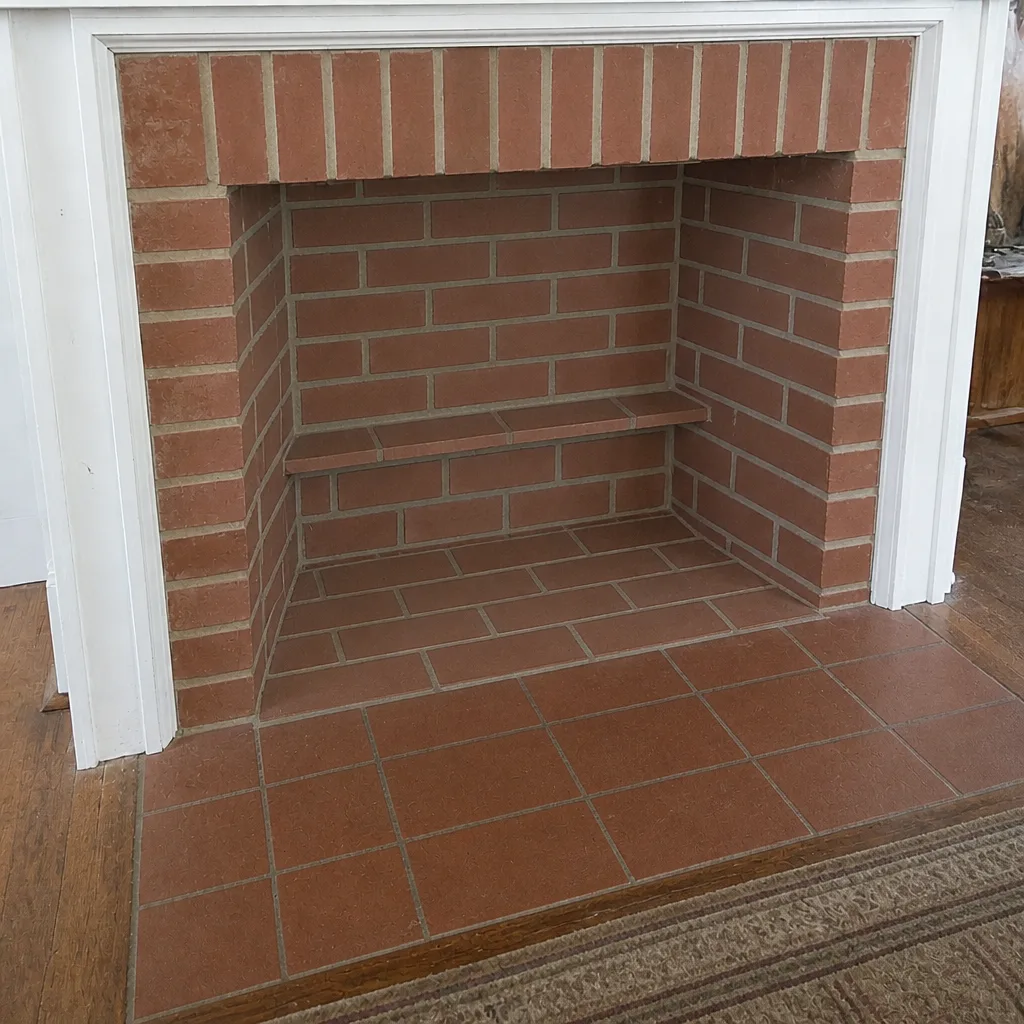
See the difference
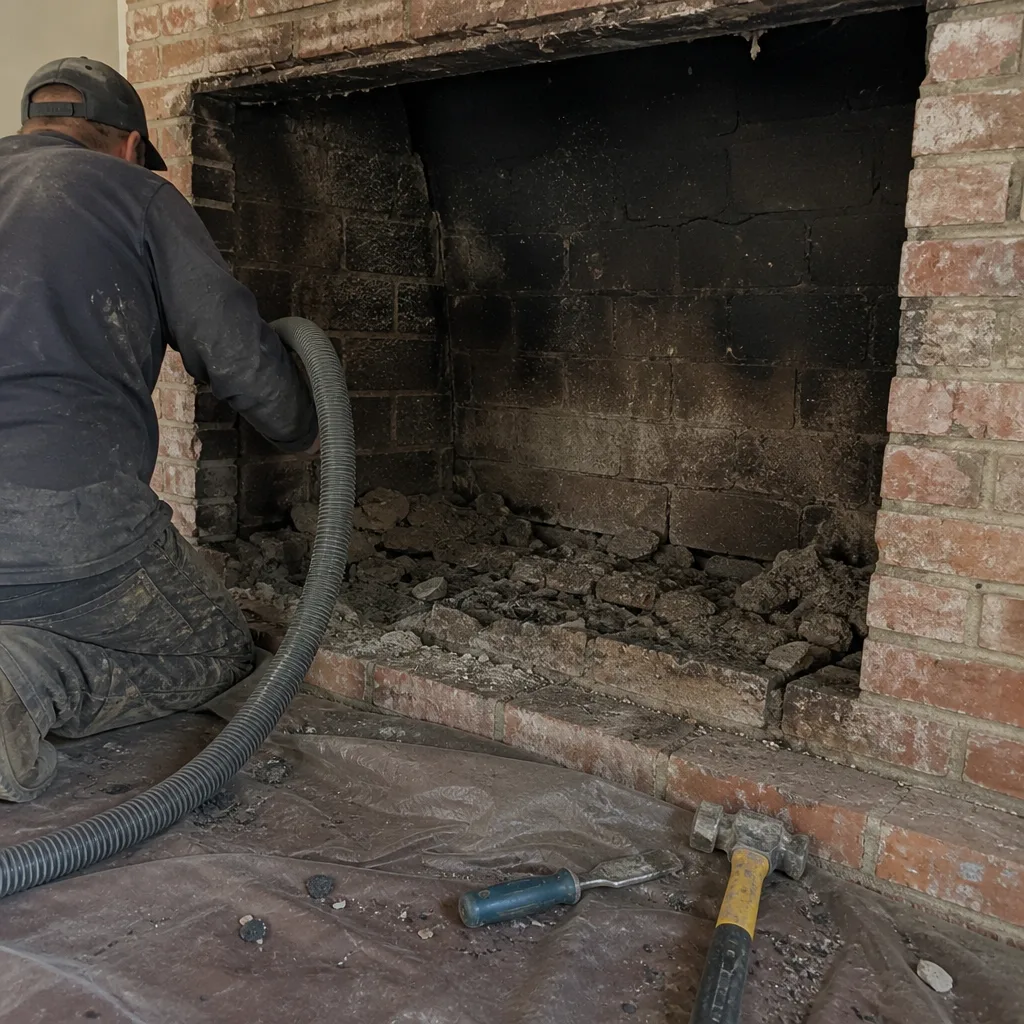 Before
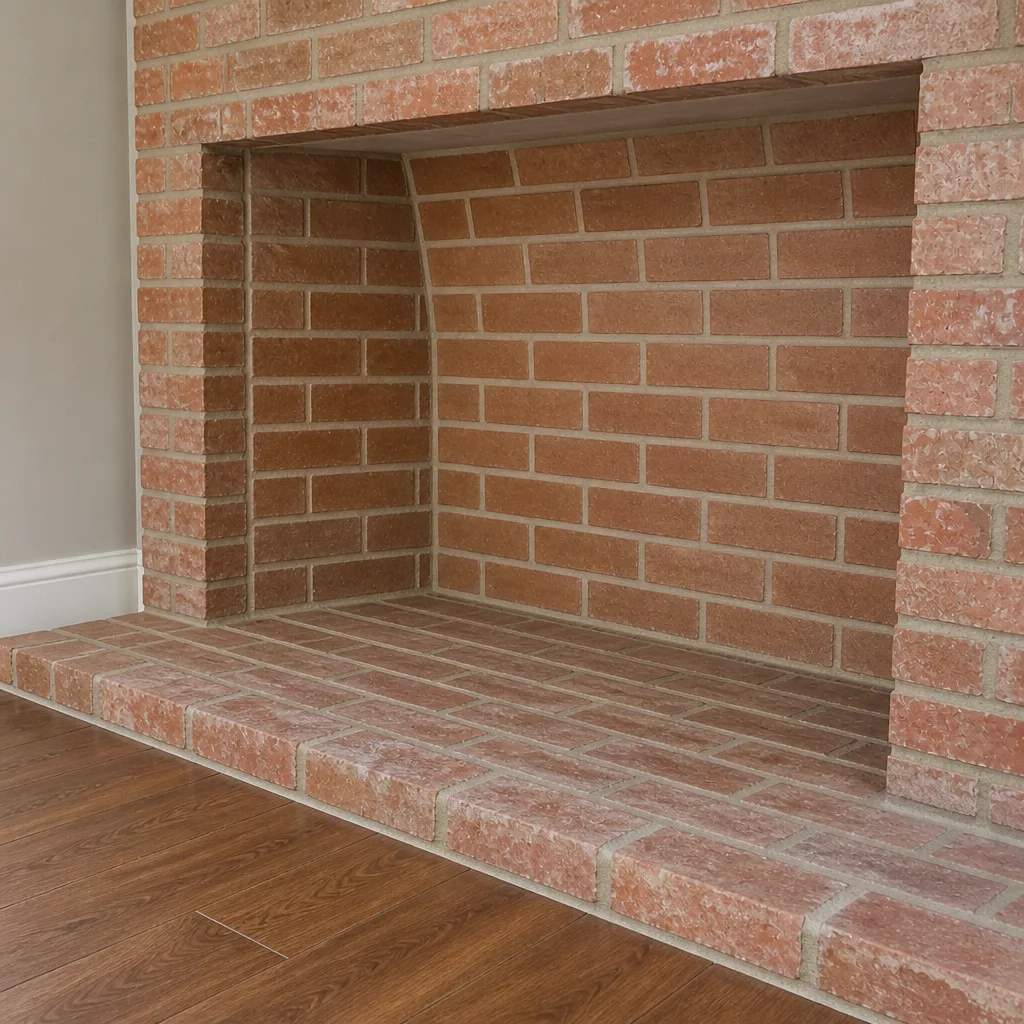 After
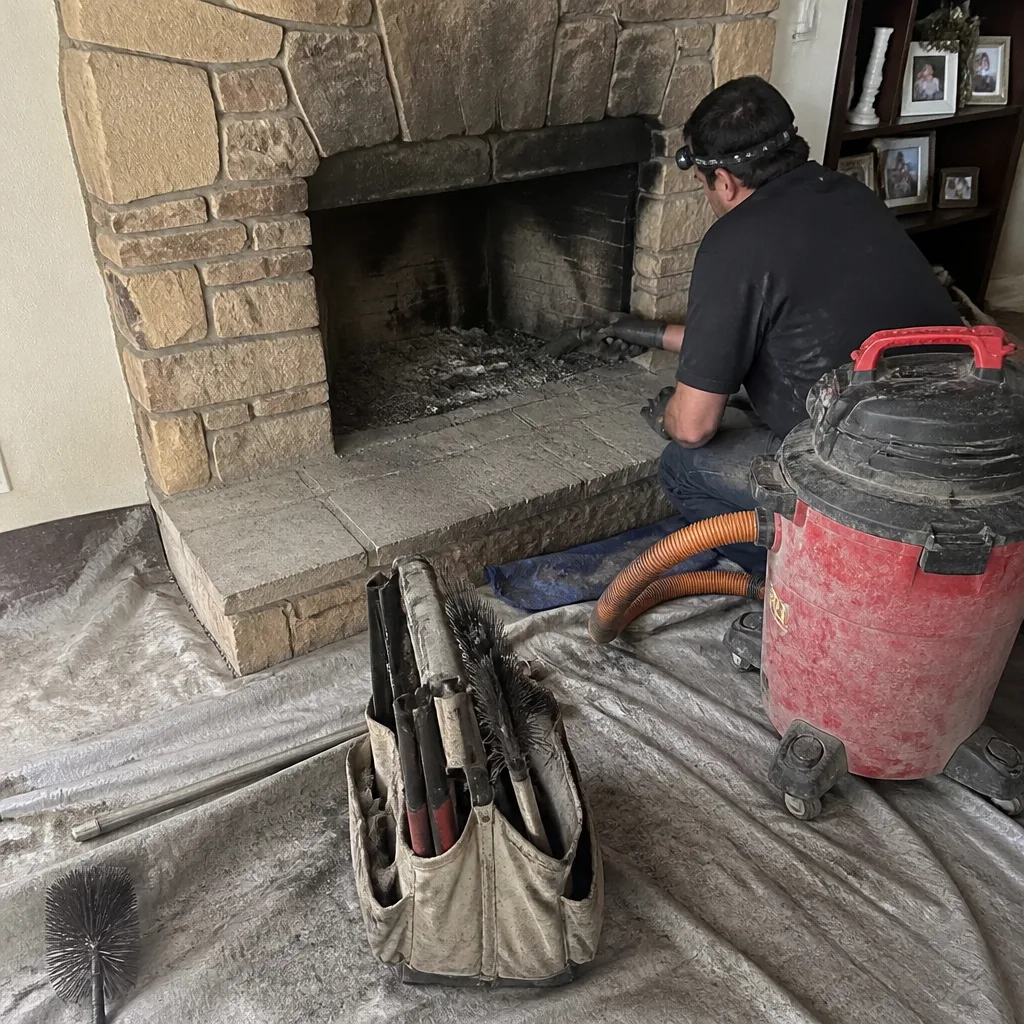 Before
 After
 Before
 After
When to Call a Professional
Some conditions are beyond a homeowner’s checklist. Call a specialist when you see Stage 2 or Stage 3 creosote, when a camera inspection is needed to assess the flue, when a cap or crown is damaged or missing, when you see spalling brick, cracked flue tiles, or water intrusion, or when the fireplace doesn’t draw properly. Call also if you’re moving into a home with no maintenance record, or before buying a home with a wood-burning fireplace so an inspection catches issues before closing. Chimney Sweep Woodbridge offers free estimates in Woodbridge – call (833) 513-8683. Our technicians have up to 11 years of experience, and we handle everything from inspection to full repair. We answer 24/7. Fast dispatch from 7am to 7pm, Sunday through Friday.
Frequently Asked Questions
Sweep based on condition, not a fixed calendar. Any visible creosote buildup over roughly 1/8 inch, or any Stage 2 or Stage 3 deposits, means it’s time to sweep. A nightly-burning household in Woodbridge may need attention more than once a season, while an occasional-use fireplace may go longer. Call (833) 513-8683 for an exact recommendation based on your fireplace.
Look up along the first few feet of flue with a strong flashlight. Stage 2 is a thick, crusty, dark layer that doesn’t brush off easily. Stage 3 is a shiny, tar-like, glazed coating. Both are combustible and need professional removal. Call (833) 513-8683 to book a sweep.
Basic homeowner brushing can remove light soot, but it doesn’t address hard crusty deposits, glazed creosote, or flue damage that only a camera inspection can reveal. For a flue with any visible buildup over a light coating, let a professional handle it. Call (833) 513-8683 for a free estimate.
Inspect it from the ground with binoculars. A cap that’s missing, rusted through, loose, or the wrong size needs replacing. A Gelco or Olympia Chimney cap sized to your flue protects it year-round. Call (833) 513-8683 to have it assessed.
Yes, in many cases. Insurers increasingly ask for documented maintenance when a chimney claim is involved. A simple log with dates, services, findings, and repair records, plus inspection photos, protects you. We provide an inspection and repair record you can keep. Call (833) 513-8683 to start one.
Check the crown for cracks or separation, the flashing for lifted or rusted edges, and confirm the cap is in place and intact. Also check inside the firebox for damp spots or water stains. Any signs of water intrusion warrant a professional look. Call (833) 513-8683.
The Bottom Line
A maintenance checklist that works is built on conditions you can see and measure, not dates on a calendar. Check the cap, damper, and firebox monthly during burning season. Watch for Stage 2 or Stage 3 creosote, water intrusion, and damaged flue tiles. Build in the Woodbridge triggers: post-tule-fog moisture checks and post-burn-ban readiness before the first fire. Keep a maintenance log. And when a condition calls for a professional, one chimney-only specialist can handle the inspection, the repair, and the liner work. That’s the difference between a checklist that gets followed and one that collects dust.
If your checklist turns up something that needs a professional eye, or if it’s been a while since your last inspection, call Chimney Sweep Woodbridge at (833) 513-8683 for a free estimate. We answer 24/7. Fast dispatch from 7am to 7pm, Sunday through Friday. From a Chimney Sweep Woodbridge inspection to a full chimney sweep, a fireplace repair, or a new chimney cap & crown, we handle the full arc of your chimney’s needs.
Written by the team at Chimney Sweep Woodbridge.