
Last updated November 25, 2026
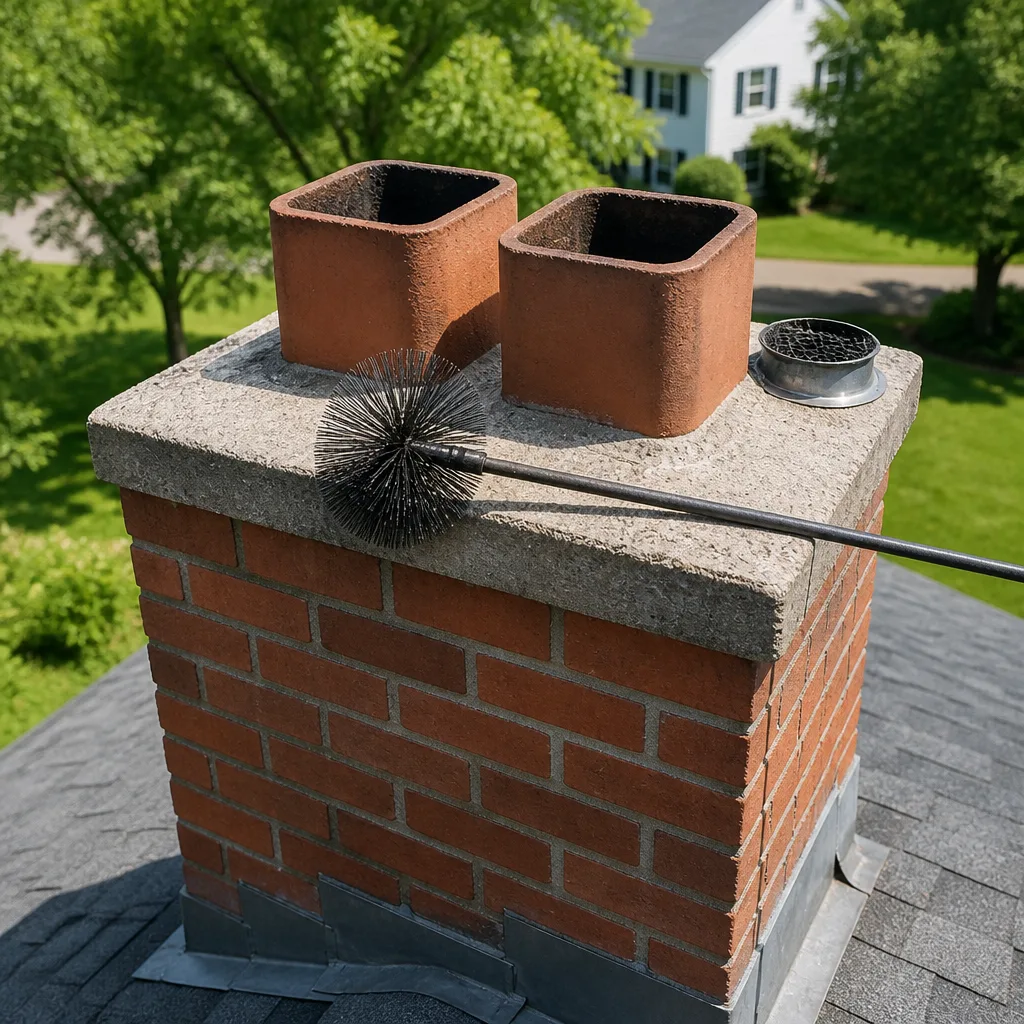 Sweep & inspection
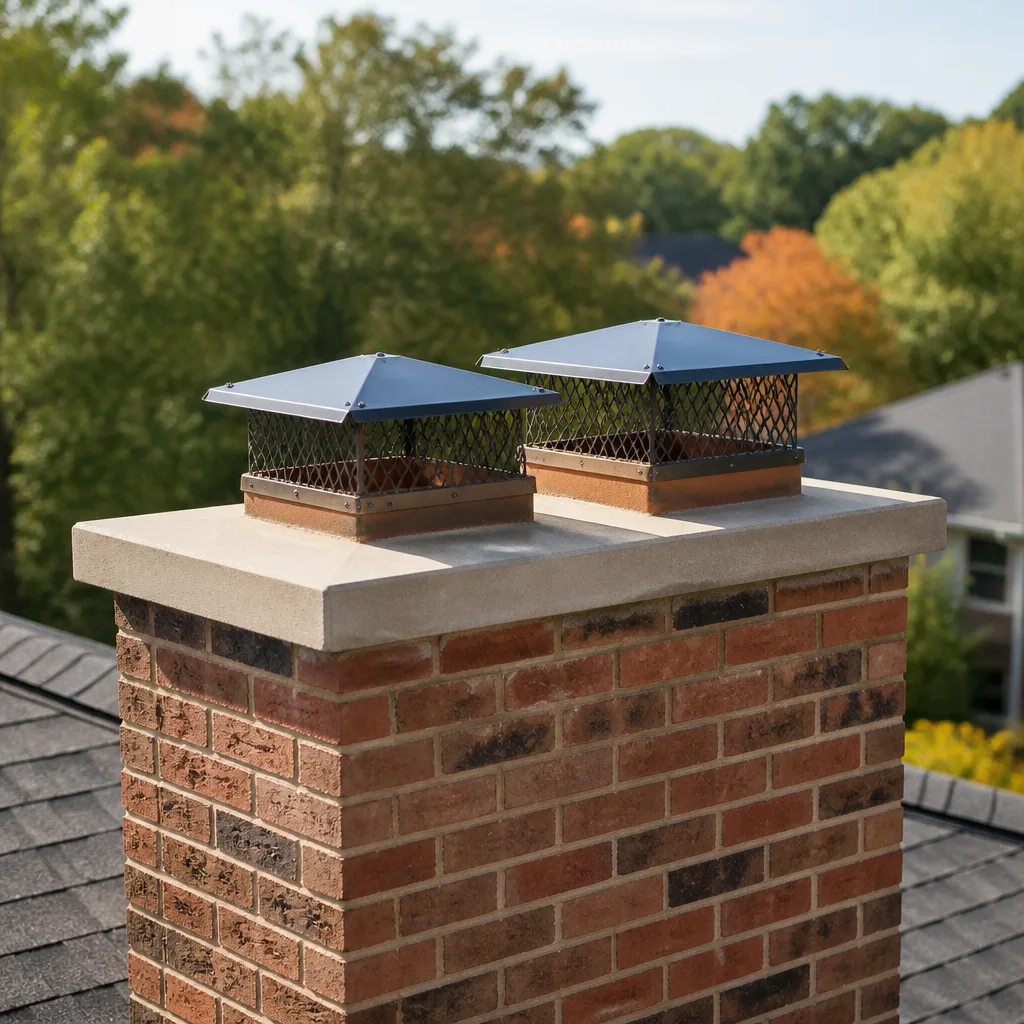 Caps & crowns
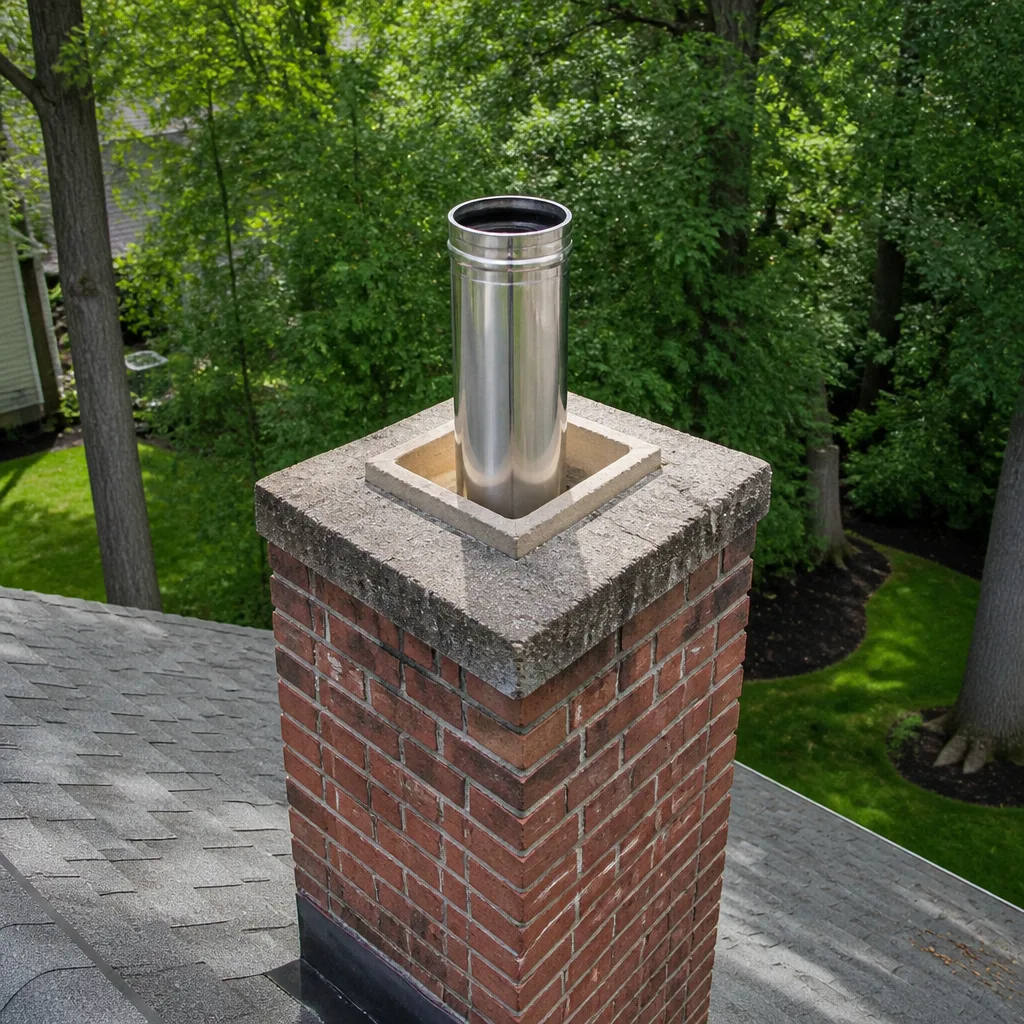 Flue relining
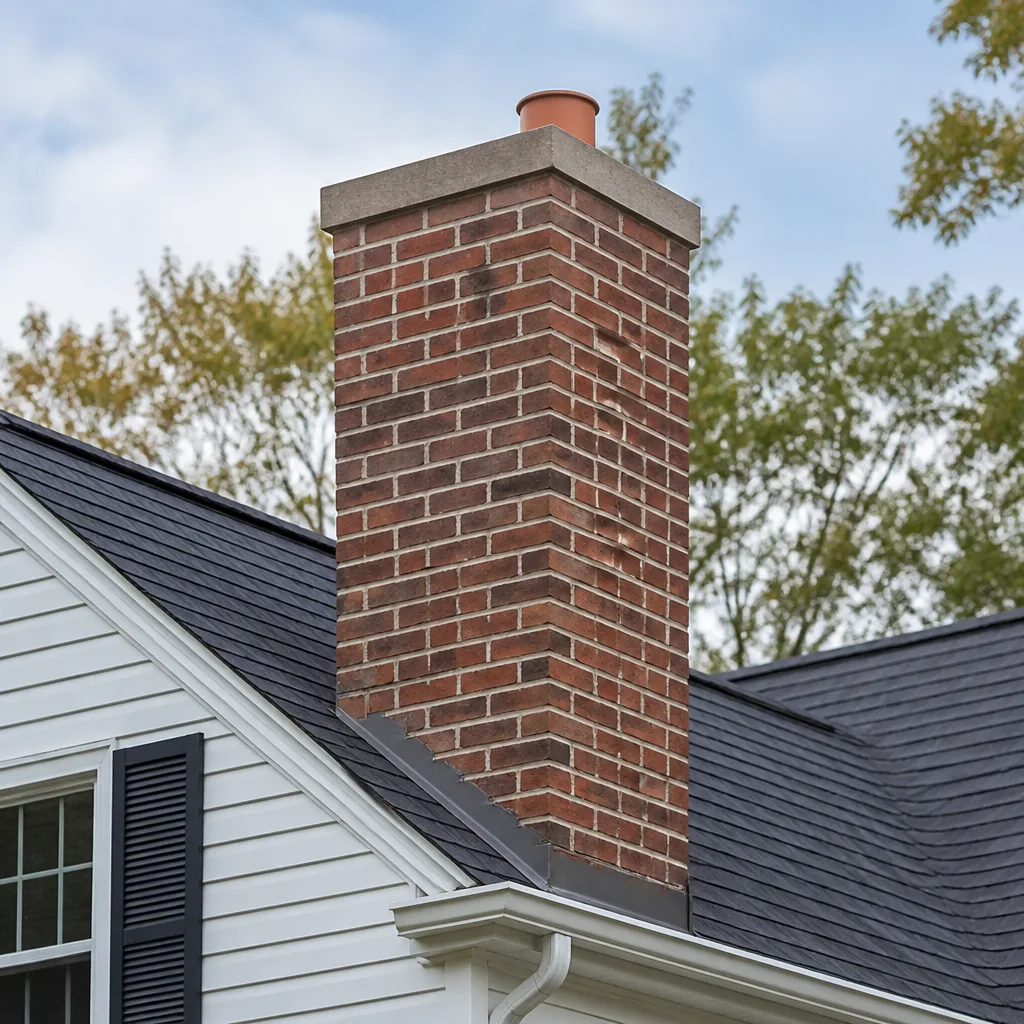 Masonry repair
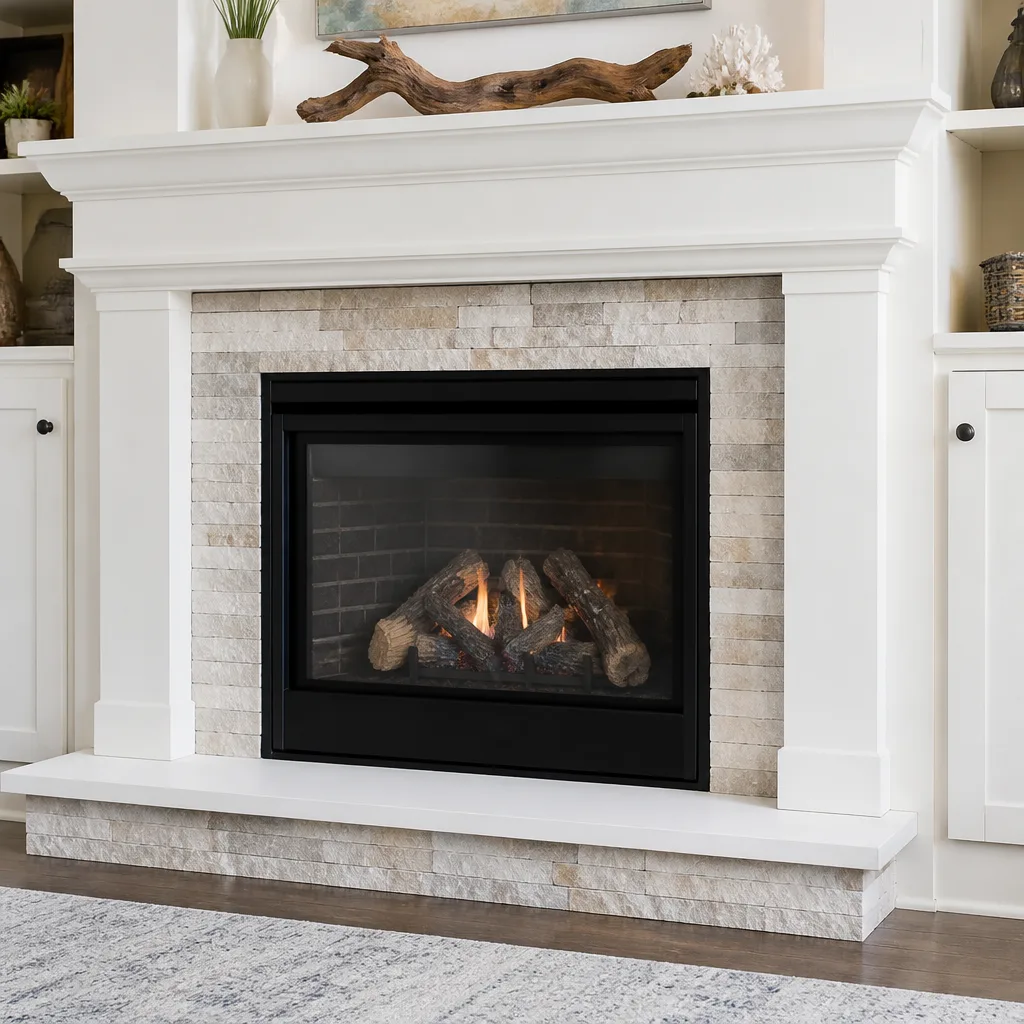 Gas fireplace service
Level 1 sweep and inspection to the NFPA 211 annual standard - flue, crown, cap, and flashing checked and photographed
Chimney sweep logs do not sweep chimneys. They loosen some creosote - which then falls where a brush and vacuum still have to collect it.
Seasonal Chimney Cleaning Care for Woodbridge: Year-Round Homeowner’s Guide
The worst time to discover your chimney has a moisture problem is the first cold night in November, when you light your first fire of the season and your living room fills with smoke. By then the damage has had months to settle in, and the repair that would have been small in spring is now a bigger job. Most homeowners in Woodbridge treat chimney care as a fall chore, something to handle right before burn season. That timing is backwards. Your chimney needs attention in three distinct seasons here, and each one presents a different problem. This guide walks through the full year: what valley oak debris does in fall, what tule fog does to masonry over winter, what summer idleness does to a liner, and why a spring sweep protects your fireplace better than a rushed October one. You’ll also see how San Joaquin burn curtailment days change when you actually use your fireplace, and how that should shift when you book service.
Quick Answer
Chimney care in Woodbridge follows a three-season calendar, not a single fall appointment: clear organic debris from the crown and chase in fall before burn season, expect tule fog moisture to test mortar joints and crowns through winter, and use the summer idle period to sweep and inspect rather than leaving a closed flue to trap heat and moisture. A spring sweep after burn season beats a rushed fall sweep, and burn curtailment days mean your real burn season is shorter than the calendar suggests. Book inspection and cleaning in spring or early summer, and reserve fall for repairs that inspection turned up.
Styles & brands we work with
- Sweep & inspection
- Caps & crowns
- Flue relining
- Masonry repair
- Gas fireplace service
Table of Contents
- Fall: Clearing Organic Debris Before Burn Season
- Winter: What Tule Fog Does to Crowns and Mortar
- Summer: The Idle Flue Problem
- Why a Spring Sweep Beats a Fall Sweep
- How Burn Curtailment Days Shift Your Service Timing
- Your Woodbridge Chimney Care Calendar
- The Materials That Hold Up to This Climate
- Common Mistakes We See
Fall: Clearing Organic Debris Before Burn Season
Woodbridge sits among mature trees, and valley oaks are generous with what they drop. From late October into December, leaves, acorns, twigs and fine bark dust land on roofs and work their way into places that matter: the top of the chimney crown, the chase cover, and the flue opening itself. A cap with a mesh screen stops most of it, but a damaged or missing screen lets debris through, and even a good screen collects material on top that holds moisture against the masonry.
Before you light the first fire of the season, the checklist is short but specific:
- Look at the crown from the ground with binoculars. Is it clear of leaf piles and acorn accumulation? Debris sitting on a flat crown keeps that surface wet long after rain ends.
- Check that the spark screen or cap mesh is intact. A torn screen is an open door for birds, squirrels and debris.
- Look for staining or dark streaks on the exterior chase. That’s often a sign water is getting in somewhere above.
- Confirm the damper opens and closes fully before you build a fire, not after smoke is in the room.
This is also the season to think about chimney cap & crown work if your cap is loose, rusted, or missing its screen. Those are fall jobs best done before the first burn, not after. And if it’s been more than a year since your last cleaning, a professional chimney sweep belongs on the pre-season list, not the post-season one.
Winter: What Tule Fog Does to Crowns and Mortar
Woodbridge winters are mild by national standards, but the tule fog that settles into the San Joaquin Valley through the cooler months is a different kind of weather than rain or cold. Fog is moisture held in the air for hours or days at a time, and it deposits that moisture on every cool surface it touches: brick faces, mortar joints, crowns, and the metal of a cap. A driving rainstorm wets the chimney and then leaves. Fog doesn’t leave. It keeps the masonry damp for extended periods, and masonry that stays damp is masonry that deteriorates faster.
What that looks like in practice:
- Mortar joint erosion. Soft, sandy mortar that crumbles when you rub it is a sign moisture has been working at the joints. Left alone, the joints recede and the brick above loses support.
- Spalling brick faces. When brick absorbs water and that water expands or dries unevenly, the face of the brick can flake or pop off. Spalling on a Woodbridge chimney is usually moisture, not age alone.
- Crown cracking. A masonry crown that isn’t properly sloped and sealed will crack, and every crack is a path for water into the flue structure.
January and February are the months to look at the chimney after a stretch of fog and rain, once it has had a chance to dry. This is when a cap and crown check pays for itself. A properly fitted, screened cap and a sound, sealed crown are the two things that keep fog moisture out of the parts of your chimney that matter most. Gelco and Olympia Chimney caps are the kind of hardware that stand up to years of damp winter air rather than rusting through in a season or two.
Summer: The Idle Flue Problem
Here’s the part most homeowners miss entirely. From roughly May through September, the fireplace sits unused and the damper stays closed. A closed damper is the right call when you aren’t burning, but it means the flue becomes a sealed column of still air. In a California heat cycle, the outside of the chimney heats up during the day, the flue interior stays warm and holds whatever humidity is in that trapped air, and then it cools overnight. That cycle repeats all summer. Moisture that would have vented out with a fire drawing air up the flue has nowhere to go, and it settles on the liner and the interior masonry.
Over years, that pattern accelerates liner deterioration. Clay tile liners crack as they go through these moisture cycles, and once a liner cracks, the problem compounds: combustion gases and moisture have a path into the surrounding structure. The summer idle period isn’t a break from chimney care. It’s an active stress period for the liner, and it’s the quiet reason older Woodbridge chimneys show up in fall with problems their owners didn’t cause by burning.
The practical response is to use the summer for inspection and repair. If a pro finds a compromised flue during a summer inspection, there’s time to plan the fix. We install DuraFlex liner systems for flues that are beyond cleaning and need structural relining, and that’s the kind of job that’s far better scheduled in the heat of summer than scrambling for in the cold of November.
Why a Spring Sweep Beats a Fall Sweep
Most people call for a chimney sweep in the fall, right when they’re about to start burning. That timing fights the calendar. Fall is when every sweep in the region is booked solid, when the weather turns, and when you’re in a hurry because a fire is coming. Spring is the opposite. After your last fire of the season, the creosote and soot that built up over winter are still there, and a spring cleaning clears them out before the summer heat bakes them into a harder, more stubborn deposit.
Here’s the spring case, laid out:
- You get the inspection when there’s time to act on it. A spring inspection that finds a cracked liner or a failing crown gives you the whole summer to schedule repair, not the week before Thanksgiving.
- Creosote is easier to remove. Deposits that sit through a hot summer can glaze and harden, which makes a cleaning job harder and sometimes turns a simple sweep into a more involved one.
- You clear the summer moisture path. A clean flue is a drier flue. Removing soot and creosote in spring means less material to hold moisture through the idle months.
- You catch moisture damage early. A spring inspection after a wet winter is the best time to spot fog-related mortar or crown problems, while they’re still small.
A spring sweep also puts a professional set of eyes on your chimney when nobody’s in a rush, which means you get a real inspection with camera and photo evidence rather than a quick look between appointments. If you’ve been putting off a chimney sweep in Woodbridge, spring is the season that rewards you for it. Call (833) 513-8683 to book a spring sweep, and you’ll be working ahead of the fall rush.
How Burn Curtailment Days Shift Your Service Timing
The San Joaquin Valley’s air quality rules mean your fireplace doesn’t get to burn every cold night. On burn curtailment days, wood burning is restricted, and those days land most often during the coldest part of the year, exactly when you’d want a fire. The upshot is that the effective burn season here is shorter and more scattered than the calendar would suggest. You might have three good burning weeks, then a curtailment stretch, then a few more nights. Your chimney still takes on creosote during that time, just in a more compressed window.
What curtailment means for service timing is simple: don’t wait for the last allowable burn to call for a sweep. If your burning is concentrated into a shorter window, creosote accumulates in fewer, heavier sessions, and a flue that was clean in October can be meaningfully dirty by January. Schedule your cleaning for the period just after your last realistic burn of the season, which in Woodbridge often lands in late winter or early spring, not deep in the fall. Checking the current curtailment status before you plan a burn also tells you when your fire is going to sit idle, and idle time is when the moisture cycle does its work.
Your Woodbridge Chimney Care Calendar
Here’s how the full year lays out for a Woodbridge fireplace, combining everything above into one schedule:
- Early fall (before burn season): Clear leaf and acorn debris from the crown and chase. Confirm the cap and screen are intact. Test the damper. This is the time for a cap and crown installation if yours is worn, since it protects the chimney all through the wet months.
- Winter: Burn season, plus a shorter season than the calendar suggests because of curtailment days. Watch the exterior for staining after fog and rain. Note any smoke coming into the room, poor draft, or a smoky smell when the fireplace is off.
- Late winter / early spring: Your last realistic burn of the season. Book your sweep now, ahead of the spring rush.
- Spring: Professional sweep and inspection. This is the best time to find and fix small problems. Any liner, crown, or masonry issue gets a full summer to be resolved.
- Summer: The repair window. Relining, crown rebuilds, and fireplace repair get scheduled and completed here, before the next season. Keep the damper closed but don’t ignore the flue.
Book the spring sweep and the fall debris check as your two fixed annual anchors, and everything else fits around them. Our technicians have up to 11 years of experience reading chimneys in this kind of climate, and the calendar above is how we’d schedule our own homes.
The Materials That Hold Up to This Climate
What you install on a Woodbridge chimney matters more here than in a drier climate, because tule fog gives every material choice a long, repeated test. A cheap cap on a national hardware store shelf may look fine for a season and then rust through or lose its screen. Professional-trade brands exist because they hold up to this specific kind of exposure.
When we recommend materials, we’re thinking about the failure modes this climate produces:
- Caps and crowns: Gelco and Olympia Chimney caps are built to keep the weather and animals out year after year. A sound cap is the single most effective tool against fog moisture intrusion.
- Flue resurfacing: HeatShield is a specialized resurfacing product for compromised flue tiles, the kind of repair a basic sweep company can’t perform. It restores a damaged flue lining without a full reline when the condition allows, and a lot of older Woodbridge chimneys with hairline tile cracks are good candidates.
- Relining: DuraFlex flexible liner systems handle full relining on flues that are beyond surface repair. That’s the structural solution when the original tile has failed.
- Venting components: Famco venting and Copperfield supplies round out the trade-grade parts that reliable chimney work depends on.
The right material for the job is not the cheapest one that fits. It’s the one rated for the moisture, heat and temperature swings your chimney actually sees, and it’s why we work with the brands above rather than substitutes. If a general contractor or a handyman offers to patch a crown or “reseal” a flue, ask what product and what warranty they’re using. Most won’t have an answer that holds up.
Common Mistakes We See
- Waiting until the first cold night to check the fireplace. By then it’s too late to book service before the rush, and any moisture problem from the summer already has a season of head start.
- Leaving a torn spark screen in place. A damaged screen is an open door for birds, squirrels and valley oak debris. It’s a small fix that prevents a bigger blockage.
- Assuming a closed damper means the chimney is “resting.” A closed flue through a hot California summer traps moisture and tests the liner. The idle months are active wear, not a break.
- Painting over or caulking a failing crown. A coat of sealant hides the crack and holds moisture in the masonry rather than keeping it out. Crown problems need a proper rebuild or resurfacing, not a patch.
- Skipping the post-winter check after tule fog season. Wind-driven rain and fog are the times masonry problems first show up. Look at the exterior after wet weather, not just before you burn.
- Hiring a generalist who sweeps chimneys on the side. A handyman may be able to clear soot, but resurfacing a flue with HeatShield or installing a DuraFlex liner takes specific training and the right materials. Chimney-only specialists exist for a reason.
- Treating a cracked liner as a fall project. A compromised liner is a life-safety issue. If a fire draws poorly, smells smoky when it’s off, or the interior shows cracked tile, that’s a call now, not next season.
See the difference
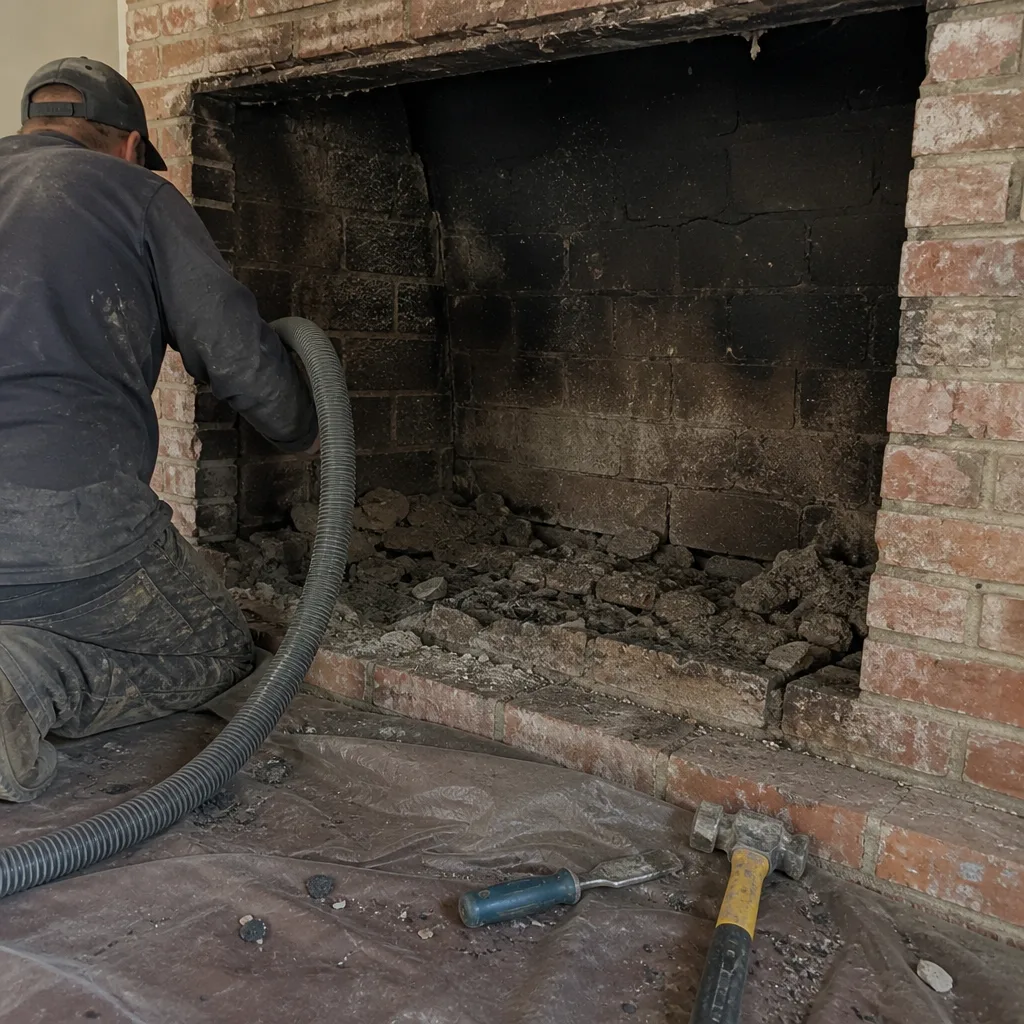 Before
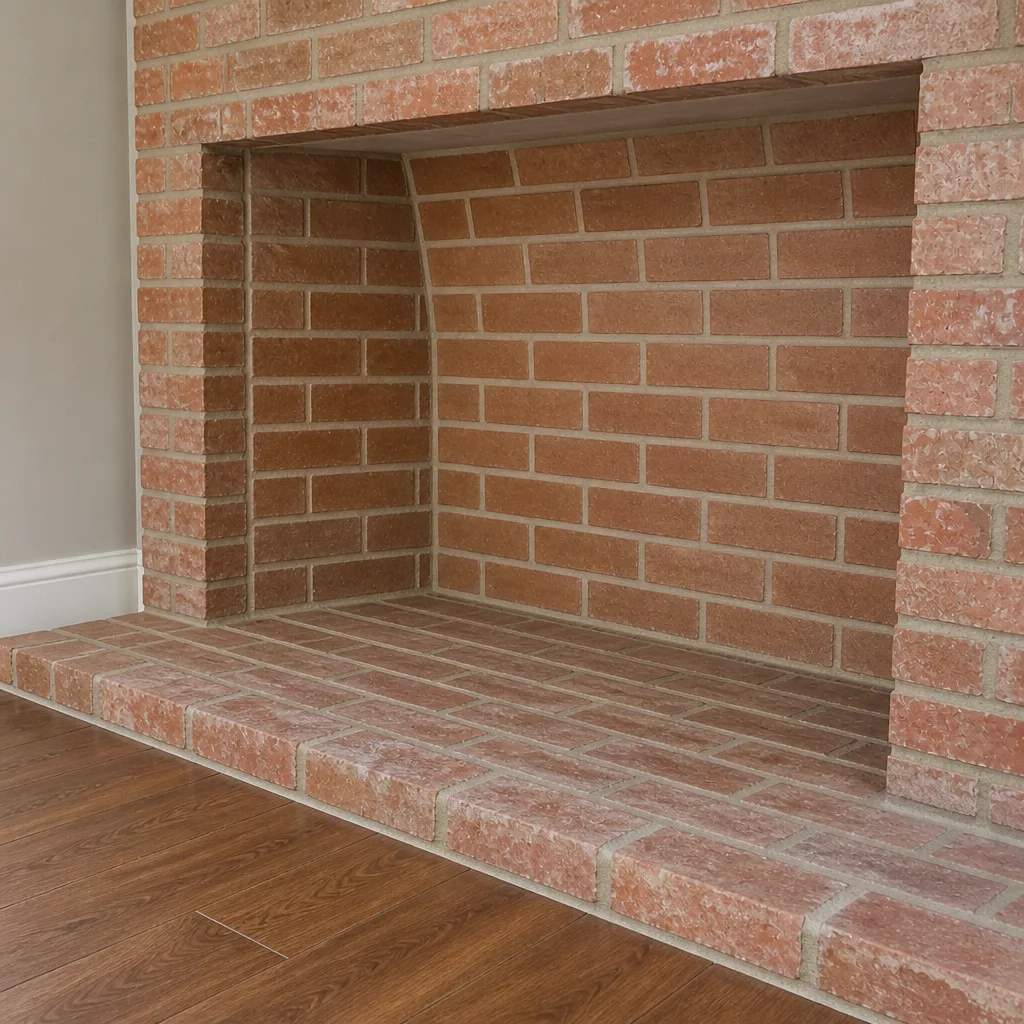 After
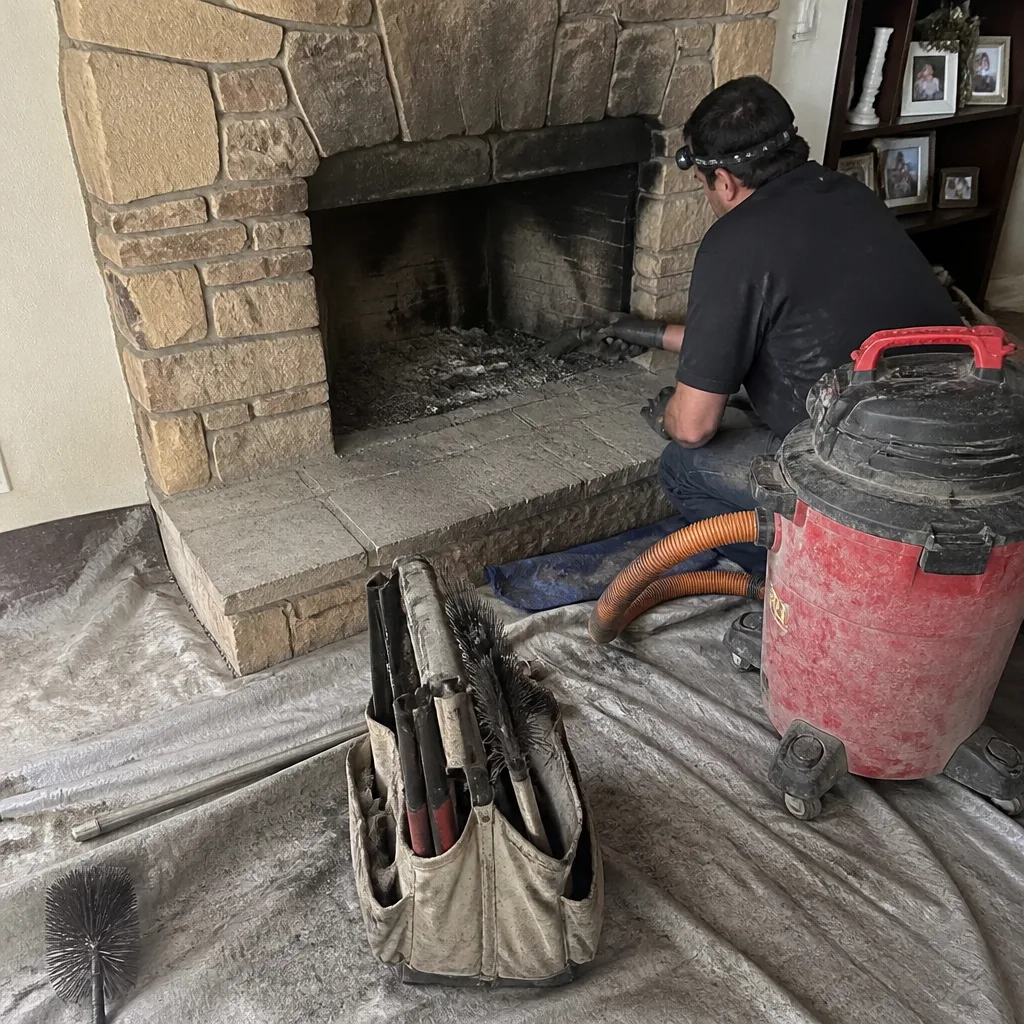 Before
 After
 Before
 After
When to Call a Professional
Most chimney problems announce themselves. Call for a professional inspection if the fireplace smokes into the room, if you smell a smoky or creosote odor when no fire is burning, if the exterior shows spalling brick or crumbling mortar, if the crown is cracked or the cap is damaged, or if it’s been more than a year since your last cleaning. A cracked flue liner or a blocked flue is a genuine safety concern, since a damaged flue can let combustion gases into the living space and a blocked chimney can cause a chimney fire. Don’t burn until it’s checked. Chimney Sweep Woodbridge covers inspection, sweeping, cap and crown work, fireplace repair and full structural repair, so one relationship handles the whole system. We answer 24/7, with fast dispatch from 7am to 7pm, Sunday through Friday. Estimates are free. Call (833) 513-8683.
Frequently Asked Questions
Once a year for most homes with an active wood-burning fireplace, and more often if you burn heavily or notice creosote buildup. In Woodbridge, a spring sweep after burn season usually works better than a fall one, because it clears deposits before the summer heat bakes them in and gives any repair a full season to schedule. Call (833) 513-8683 to book your annual sweep – estimates are free.
Tule fog keeps masonry damp for long stretches, which leads to mortar joint erosion, spalling brick faces and crown cracking. Winter fog is why a sound, sealed crown and a properly fitted cap matter so much here. If you see crumbling mortar or flaking brick faces after a wet stretch, have it checked. Call (833) 513-8683 for an inspection.
Yes, a closed flue through a hot California summer traps moisture and stresses the liner. The idle months are when moisture settles on the liner and interior masonry with no fire to draw air up and dry it out. That’s why summer is the season for inspection and repair, not just a break. Call (833) 513-8683 to schedule a summer inspection – estimates are free.
Spring beats fall because you get the inspection when there’s time to act on it. Creosote is easier to remove before summer heat hardens it, a cleaning clears the moisture path before the idle months, and any issue found gets the whole summer to fix. Fall sweeps are booked solid right when you’re trying to light your first fire. Call (833) 513-8683 to book spring.
A crack that runs through the crown needs more than a sealant. Sealing over a failed crown can hold moisture in the masonry instead of keeping it out. The right fix depends on how far the damage goes, from resurfacing to a full rebuild. Have it looked at before the wet season, not during it, and get a written estimate you can approve before any work. Call (833) 513-8683 – estimates are free.
They shorten your effective burn season, so creosote accumulates in fewer, heavier sessions. A flue that was clean in October can be meaningfully dirty by January. Don’t wait for the last allowable burn to book a sweep; schedule it just after your last realistic burn of the season. Call (833) 513-8683 for an exact quote based on your chimney’s condition.
The Bottom Line
Woodbridge chimney care is a year-round schedule, not a fall errand. Fall is for clearing organic debris and confirming your cap and crown are sound against the wet months. Winter is tule fog season, when masonry gets tested by long stretches of damp air. Spring is your best window to sweep and inspect, before summer heat hardens creosote and fog-season damage settles in. Summer is when the idle flue needs attention, and when repairs get done while there’s time. Burn curtailment days compress your real burn season, so plan ahead of the last fire instead of after it. The common thread is simple: catch problems early, in spring, when the calendar is on your side.
Chimney Sweep Woodbridge handles inspection, sweeping, cap and crown work, fireplace repair and full chimney repair as a chimney-only specialist, using DuraFlex, HeatShield, Gelco, Olympia Chimney, Famco and Copperfield materials. Whether you’re due for a spring sweep or you’ve spotted a leaking crown or a flue that isn’t drafting right, call (833) 513-8683 for a free estimate. We answer 24/7. Fast dispatch from 7am to 7pm, Sunday through Friday.
Written by the team at Chimney Sweep Woodbridge.