
Last updated November 25, 2026
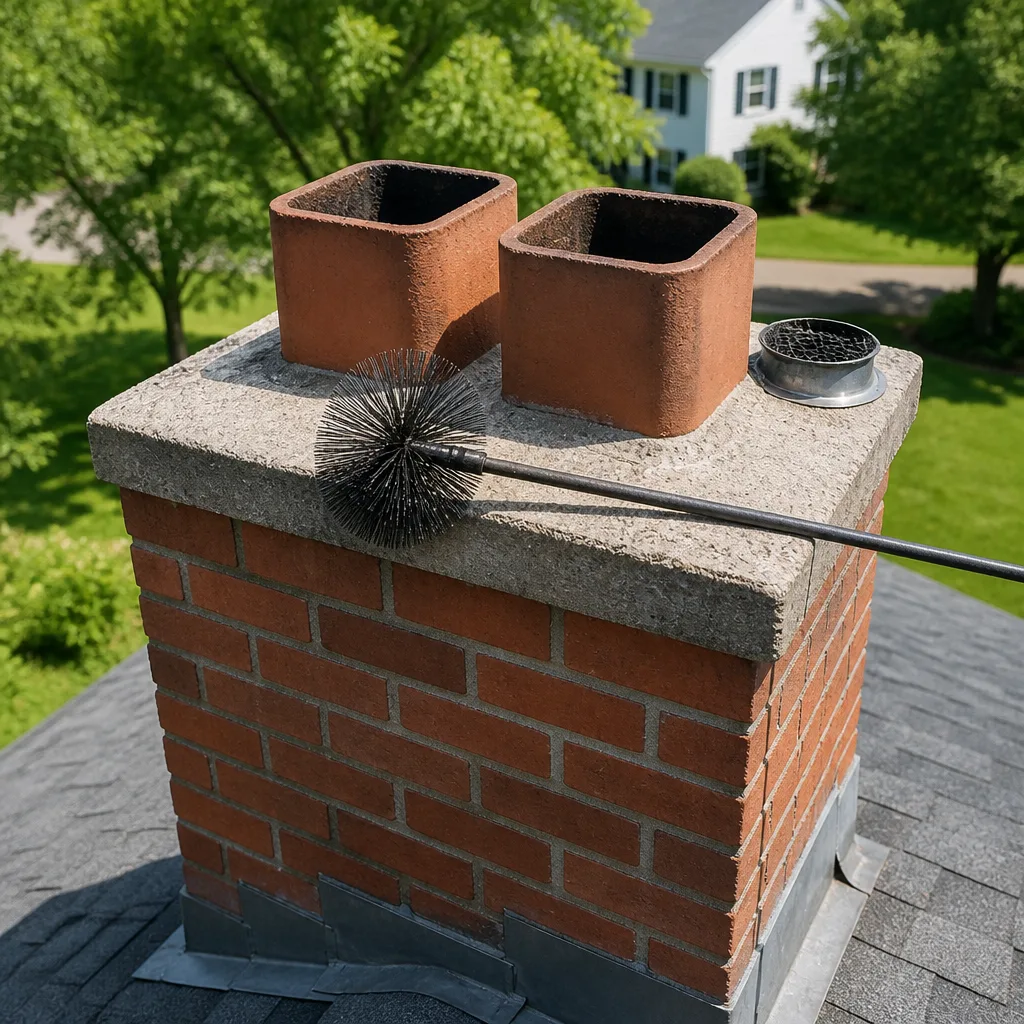 Sweep & inspection
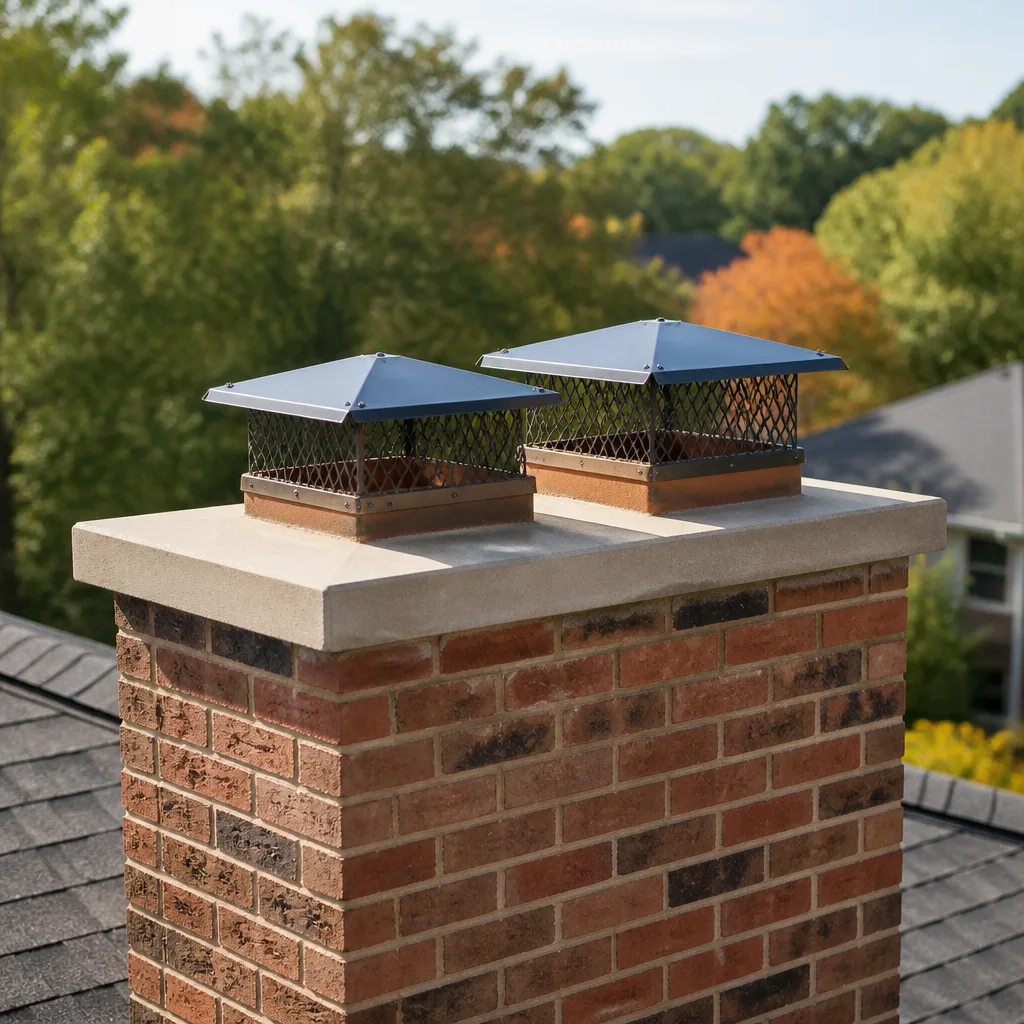 Caps & crowns
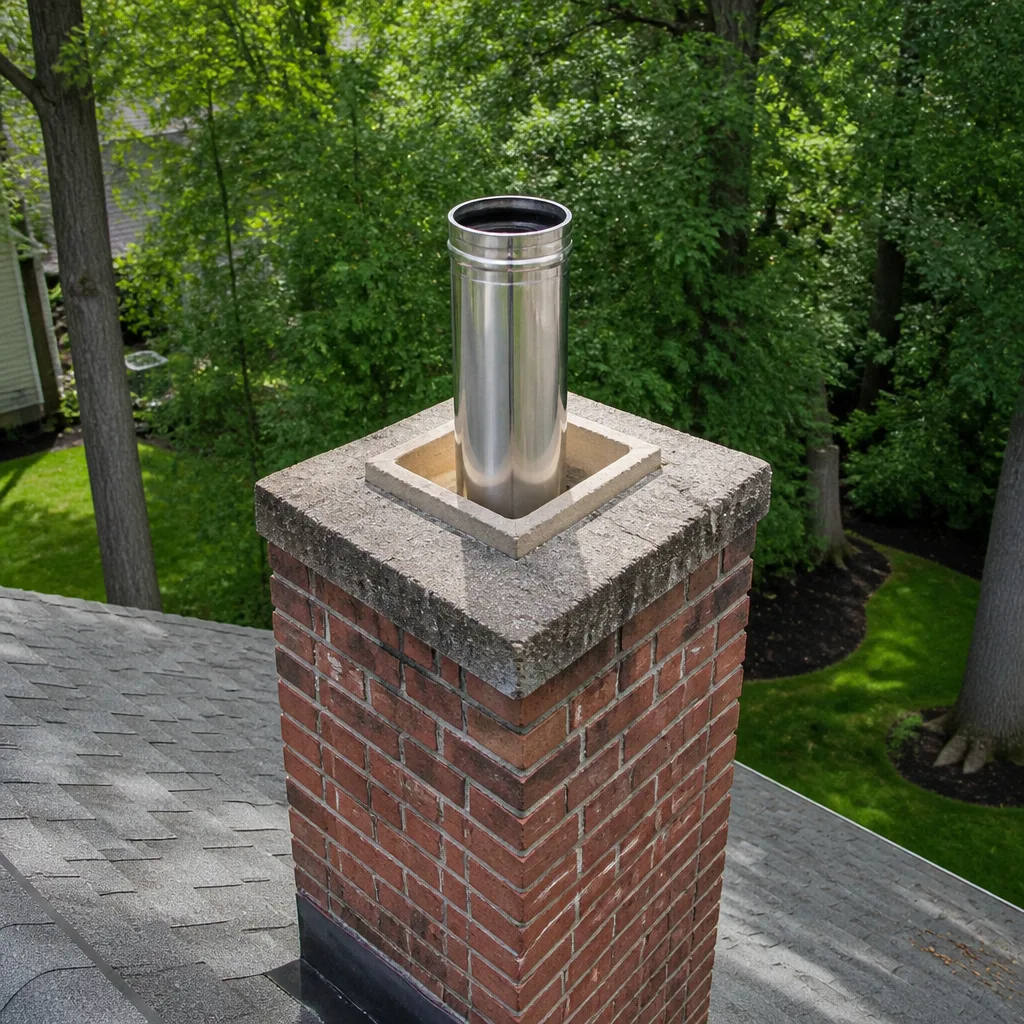 Flue relining
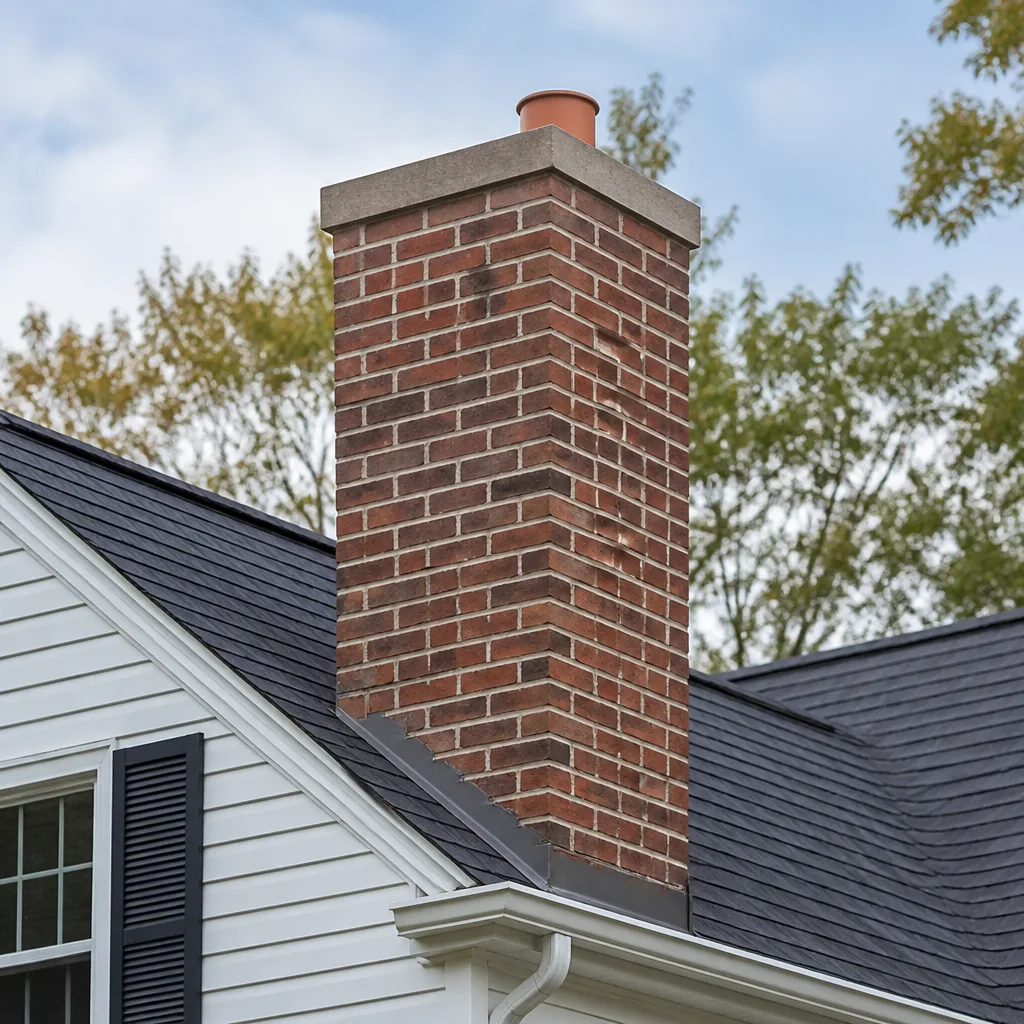 Masonry repair
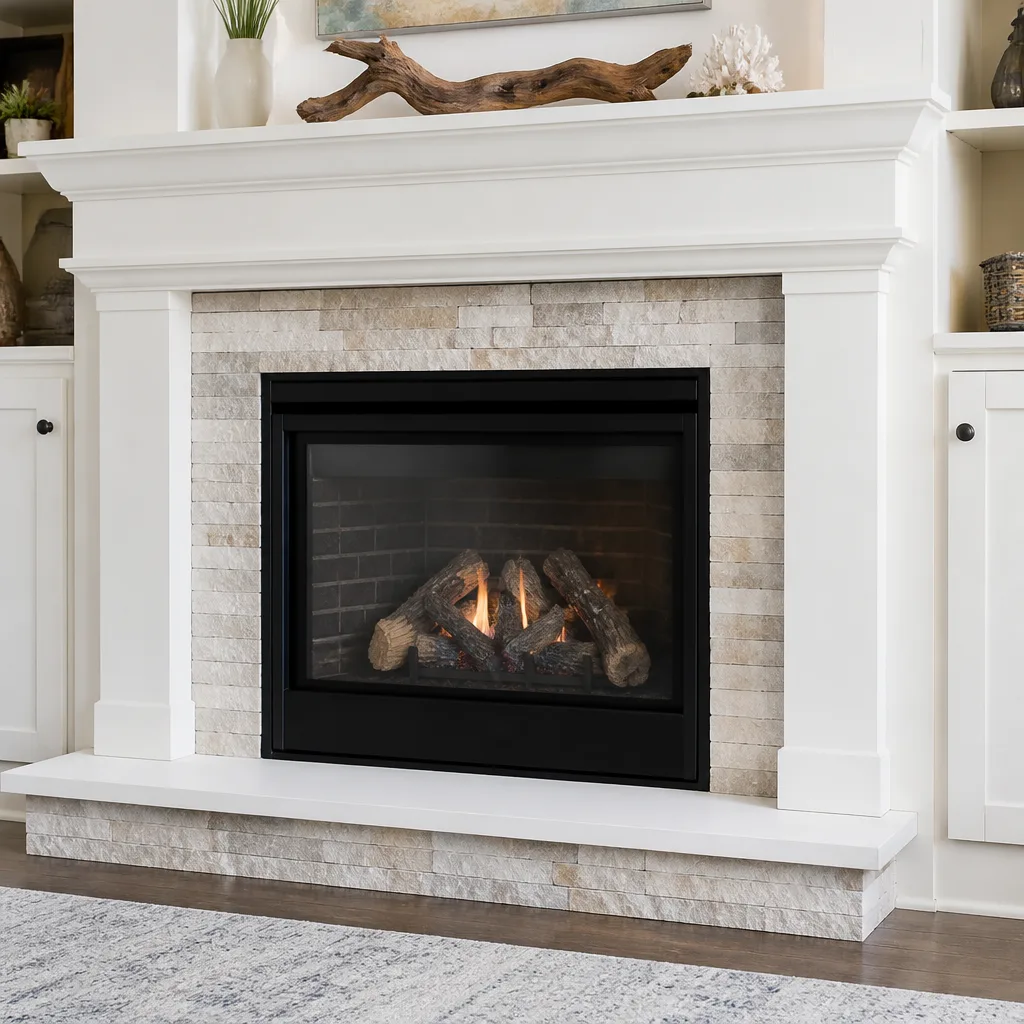 Gas fireplace service
Level 1 sweep and inspection to the NFPA 211 annual standard - flue, crown, cap, and flashing checked and photographed
Chimney sweep logs do not sweep chimneys. They loosen some creosote - which then falls where a brush and vacuum still have to collect it.
Chimney Cleaning Emergency Preparedness Guide for Woodbridge Homes
Most homeowners think of a chimney fire as something that announces itself with flames shooting from the roof. In our experience it’s often quieter than that – a low rumble, a popping sound, smoke that suddenly changes color. The counterintuitive part is that the people who handle a chimney emergency best aren’t the ones who react fastest. They’re the ones who already knew what they’d do before it happened. Woodbridge homeowners who’ve walked through the steps once, calmly, on a normal afternoon have a huge advantage over those who are figuring it out in the moment.
This guide walks through exactly that: how to spot a chimney fire in progress, the correct sequence of actions in the first minute, why carbon monoxide risk in chimney systems is more specific than most people realize, what has to happen after a fire, and how to build a simple reference card your whole household can use. We work on chimneys exclusively, and what follows is the same information we wish every homeowner had in hand before they ever needed it.
Quick Answer
If you suspect a chimney fire, evacuate everyone from the house, call 911, and do not use the fireplace again until a Level 2 inspection has confirmed the flue is intact and safe. Climbing onto the roof to check, opening the damper at the wrong moment, or dousing a hot flue with water can make a dangerous situation worse. If you’re reading this before an emergency, your most useful steps are positioning carbon monoxide detectors correctly, recognizing the early signs of a fire, and having your chimney inspected and swept so your flue is ready for burning season.
Styles & brands we work with
- Sweep & inspection
- Caps & crowns
- Flue relining
- Masonry repair
- Gas fireplace service
Table of Contents
- How can you tell a chimney fire is happening right now?
- What should you do in the first 60 seconds of a chimney fire?
- Carbon monoxide and chimney systems: the conditions that push CO indoors
- After the fire: why the fireplace stays off until a Level 2 inspection
- Building a chimney emergency reference card for your home
- Preventing emergencies before burning season in Woodbridge
- Documentation for an insurance claim after chimney damage
- Common mistakes to avoid
How can you tell a chimney fire is happening right now?
A chimney fire can reach 2,000°F inside the flue in under two minutes, and the early signs are often audible and visual rather than visible flames. You’re not usually looking for a fire in the firebox – you’re reading the chimney itself. In our experience the signals cluster into three groups: sounds, smoke, and what’s coming out the top.
Listen for it first. The classic signs are:
- A loud roaring or rumbling that sounds like a freight train or a low jet engine, often louder than the fire in the box
- Popping, crackling, or snapping sounds – the noise of creosote igniting in a hot flue
- A sudden deep hum or vibration you can feel through the floor near the hearth
Look at the smoke. Watch for:
- Dense black or gray smoke coming from the firebox, the stove, or the top of the chimney
- Any smoke backing into the room when the fire should be drafting upward
- Flames or sparks visible at the top of the chimney or cap
- A sudden change in draft – you may notice the draft slowing or reversing entirely
Woodbridge’s winters are mild enough that many homeowners burn intermittently, mixing half-season loads with long gaps. Fresh, light creosote builds up quickly during cool-but-damp weather and ignites easily when a hot fire is added. One of the surprising things about that pattern is that intermittent burners often have more dangerous creosote than people who burn steadily, because the flue stays cool between fires and never fully dries out. That’s one reason we push for a chimney sweep before burning season rather than partway through it.
A quiet pop or two that stops on its own isn’t automatically an active fire, but it’s a warning worth acting on. If you can’t rule it out, treat the signs as real and follow the first-60-seconds steps below. Grabbing a flashlight and inspecting the flue from the hearth doesn’t hurt; climbing onto the roof to look does.
What should you do in the first 60 seconds of a chimney fire?
In the first minute, the sequence of actions matters more than speed of reaction. Most of the dangerous choices people make happen because they’re trying to “help” the fire in the wrong order – opening a damper, climbing onto a roof, throwing water onto a hot flue. Here’s the sequence we want every Woodbridge household to walk through beforehand.
- Get everyone out of the house, then call 911. Evacuation and the 911 call happen together, from outside. If one adult can supervise people leaving while another calls, that’s ideal. If you’re solo, leave with everyone first and call from the street. Do not go back in for pets, phones, or documents.
- Close the fireplace doors or glass, and close the damper. Closing the air reduces oxygen feeding the fire. The common mistake is the opposite – opening the damper thinking it will relieve pressure. In practice it feeds the fire, and it can push smoke into the room if the flue is compromised.
- Do not climb onto the roof. Chimney fires damage the flue interior, and roof access on a burning chimney is a fall and burn risk. Firefighters have the right gear for this.
- Do not throw water onto a hot flue. Water on a hot tile or metal flue causes steam and thermal shock, which can crack tiles and blow smoke back into the room.
- Meet the fire department at the driveway with information. Tell them whether the chimney has a cap, whether the fireplace is wood or gas, and when it was last swept if you know.
Two things people commonly get wrong: calling 911 after a lot of inspection, and trying to “control” the fire by shoveling ash or adjusting the damper. The first minute is for evacuation and for the call. The fire will behave much the same whether you’re watching it through the glass or not.
One note on gas fireplaces and inserts. A gas appliance doesn’t produce creosote, but gas units can still have chimney-related emergencies – flue blockages, disconnected liners, birds’ nests. With gas, there are no roaring or popping signs; the usual signal is a strong odor of exhaust, a popping ignition sound that loops, or the appliance cutting out. In those cases, turn off the gas at the valve, ventilate the room, and call 911 if you smell gas or feel unwell. Our fireplace repair page covers the diagnostics side in more detail.
Carbon monoxide and chimney systems: the conditions that push CO indoors
Chimney fires are the loud emergency. Carbon monoxide is the quiet one, and it causes more harm in chimney systems than most homeowners realize. CO is colorless and odorless, and it enters living space when a chimney stops doing its one job: carrying exhaust up and out. Three conditions account for most chimney-related CO in homes we look at.
- A blocked flue. Soot, creosote, birds’ nests, leaves, a fallen tile – anything that narrows the flue forces exhaust to find another path, and the only other path is back into the room.
- A failed liner. A cracked or separated flue tile allows exhaust to escape into the chimney chase or wall cavity. That vented gas can travel to other parts of the house, which is why CO sometimes appears in a bedroom with no fireplace.
- Downdraft. When the stack is cold, the outdoor air is warmer than the flue, or the wind pattern around the house shifts, air can flow backwards down the chimney. On Woodbridge’s cooler mornings, the first fire of the day is the classic downdraft risk – a cold flue that hasn’t warmed yet.
Where to put detectors. Position matters more than brand. The right layout is a carbon monoxide alarm on every level of the home, one outside every sleeping area, and one in the room where the wood stove or fireplace is. Mount them at breathing height. Avoid placing one directly above a fireplace or immediately next to a gas appliance – small trace amounts during light-off can cause nuisance alarms on cheap units. Follow the manufacturer’s instructions for each unit and test them monthly.
When to suspect CO. Headaches, dizziness, nausea, or unexplained drowsiness in more than one person in the house, especially when the fireplace or furnace is running. If you suspect CO, get everyone outside and call 911 first, then have a professional inspect the chimney and venting. Never try to identify the source yourself by lighting a match or looking for “signs.”
This is one place where the material matters. A properly installed flue liner like those in a Chimney Sweep Woodbridge service visit exists specifically to keep exhaust inside a dedicated path. When we reline a flue, we specify DuraFlex flexible liner systems, which sit as a continuous interior. That matters because multiple short flue tile joints create more places to fail, and a continuous liner reduces the number of them. Detection is the backup – the liner is the front line.
After the fire: why the fireplace stays off until a Level 2 inspection
After any suspected or confirmed chimney fire, the fireplace or stove stays out of use until a Level 2 inspection has been completed. That’s the standard we hold, and it’s the point where people most often rush. A chimney fire can crack flue tiles, warp a metal liner, damage the crown, and leave a chimney that looks fine from the outside. The damage isn’t visible from the hearth, the driveway, or the roof line.
A Level 2 inspection after a chimney fire documents:
- The condition of the flue tiles (cracks, spalling, gaps)
- The condition of the liner, if one is present, and whether it needs replacement
- The firebox, damper, smoke chamber, and smoke shelf
- The chimney cap, crown, and any visible exterior damage
- Accessible portions of the chimney chase and adjacent framing
- Photographic evidence of what was found
The photographs matter. They’re useful for you in deciding what to do next, and they’re useful for an insurance adjuster reviewing the claim. When we perform a Level 2 inspection, we include photos of the flue and any damage found. You should be able to see the same images we’re referencing, and you should be able to ask questions about what each one shows.
Do not skip the inspection because the chimney “seems to work fine.” A damaged flue drafts adequately right up until it doesn’t – the failure tends to happen during the next fire. In our experience the homeowner who burns again on a compromised flue is the one who ends up with a real structural repair. Nobody should be using the fireplace again based on “it feels normal.”
What the inspection turns up determines what happens next. A crack in a flue tile can often be resurfaced with a HeatShield application, which smooths and restores a compromised interior for a period of years. Significant damage to the liner, or a flue with no liner at all in an older masonry chimney, may call for a full relining. And if the fire reached the chimney cap or crown, cap and crown work is its own category – our chimney cap & crown service covers that side. The point of the inspection is to figure out which of these your chimney actually needs, and nothing more.
Building a chimney emergency reference card for your home
A chimney emergency reference card is a single sheet, kept in a kitchen drawer and photographed on every adult’s phone, that tells anyone in the house what to do and who to call. It’s the cheapest safety tool a wood-burning household can have, and the exercise of making it is most of the value. Here’s what goes on it.
What to include:
- Emergency numbers – 911, the fire department’s non-emergency line, and the gas utility’s emergency line. Add a chimney company’s number too, for the post-fire inspection.
- The evacuation route – the two exits from the fireplace room, and the agreed meeting spot outside. If there are kids or elderly family members, who helps whom.
- Shutoff locations – the gas meter valve, the main water valve, and the electrical panel. A simple sketch of the house with the shutoffs marked is more useful than a paragraph.
- Fireplace particulars – wood-burning or gas, whether there’s a liner, whether the chimney has a cap, and the date of the last sweep.
- Where the inspection report lives – the file folder or scan location. Adjusters will want the last inspection report and any service records.
- Photograph the outside of the chimney from ground level – one picture, on file. Insurers will ask whether a cap or crown was in good condition before an event. The photo answers that question in seconds.
- The CO detector locations and last test date – since the American Red Cross and NFPA both recommend monthly tests, note the date you last tested.
The card takes about twenty minutes to make. Tape it inside a cabinet, photograph it, and re-read it once a year before you start burning. In our experience, the difference between a household that manages a chimney incident well and one that doesn’t usually comes down to whether someone had already walked through the sequence. Woodbridge homeowners who live near the marsh areas may also want to note on the card that foggy mornings mean a cold flue is more likely to downdraft on the first fire – it’s a natural time to double-check the detectors before lighting.
Preventing emergencies before burning season in Woodbridge
The single best preparation for a chimney emergency is a sweep and inspection done before you start burning. Here, that usually means planning a sweep in the weeks before the first cool nights of a fire season, when the chimney has had time to dry out from the wet months. The standard rule of thumb is one sweep per year for an actively used wood fireplace. Homes burning more frequently, or burning unseasoned wood, may need more frequent service.
Signs you’re overdue:
- A strong, acrid smell from the fireplace even when it isn’t in use, particularly on damp days
- Smoke coming back into the room on lighting
- Visible creosote flaking, glazing, or an oily sheen on the flue walls, if you’ve had a look
- Any debris or nesting material visible through the cap
- A cracking or crumbling crown at the top, or a cap that’s come loose
Woodbridge’s mild winters do change the creosote pattern. In a long, cold climate, fires burn consistently and flues stay hot for hours at a time, which tends to keep creosote drier and allow it to flake off. In milder climates, fires run shorter, flues cool faster, and the residue tends to be darker, stickier, and quicker to ignite. That pattern – cooler, damper burning cycles – matters when deciding on sweep timing, and it’s a reason we don’t just copy the timing advice written for colder regions.
Instead of counting fires, look for the conditions. If your flue walls felt glassy or sticky at the last inspection, you’re burning less efficiently than you think. If your wood has been wet, you’ll need more oil-soaked creosote removed. Schedule a sweep before the burn season, ask for the inspection results, and use the rest of the year to keep fallen leaves and debris out of the cap.
Documentation for an insurance claim after chimney damage
If a chimney fire has damaged your home, what you document in the first few days matters as much as the repair itself. Adjusters work from written evidence and photographs. Keep everything, and keep it in one place.
- Fire department report. Ask for the reference number before you leave the scene, or call the non-emergency line the next business day. The report documents the date, cause if determined, and extent of response.
- Level 2 inspection report with photos. This is the core of the claim. It has to show what was damaged, where, and what the flue looked like before and after.
- Pre-loss photographs. The photo of the chimney you took for your reference card is exactly what you need here. Keep it. Add a dated photo of the hearth and adjacent rooms to your card.
- Service records. Sweep and inspection records establish that the chimney was maintained. They aren’t required, but they help.
- Written estimate for the repair. Adjusters typically need a line-item estimate from a specialist, not a hand-written figure. We provide those as a standard part of the estimate process.
- Correspondence log. A short list of dates you spoke with the insurer, adjuster, fire department, and any repair company.
One practical note: don’t clean up fireplace debris or sweep ash out of the firebox before the adjuster or inspector has seen it. What looks like a mess is often the clearest record of what happened. Take photos of everything before anything gets cleared.
Common Mistakes to Avoid
- Opening the damper when a chimney fire is suspected. More oxygen feeds the fire and can pull smoke and flames back into the room. Close it and evacuate.
- Climbing onto the roof “to check.” A burning or recently burning chimney is a fall and burn hazard with damage you can’t safely assess from above. Leave it to the fire department and, afterward, to a trained inspector.
- Throwing water into the firebox. Thermal shock can crack tiles and deform a metal liner, turning a limited fire into a structural repair. A dry-chemical extinguisher or a chimney fire stick is the right tool if a fire is small enough to be addressed at all.
- Relighting the fireplace a day or two later because it “feels fine.” A flue can crack during a fire and still draft normally – until the next hot burn. Nothing lights up again until the Level 2 inspection is complete.
- Skipping the annual sweep because the fire “still draws.” Creosote accumulates whether or not you notice it. By the time draft is visibly poor, the flue is often heavily loaded, which is a fire risk rather than a nuisance.
- Buying cheap caps from the hardware store and installing them on a masonry chimney that’s had previous damage. Caps in a wood-burning flue need to match the flue size, and the wrong fit can either trap smoke or fail in wind. We install Gelco, Olympia Chimney, and Copperfield caps specifically because they’re designed for the flue sizes we see in Woodbridge homes.
- Placing a CO alarm high on the wall directly above the fireplace. Trace gases at light-off will trip it repeatedly. Site it at breathing height in the room and just outside the sleeping area instead.
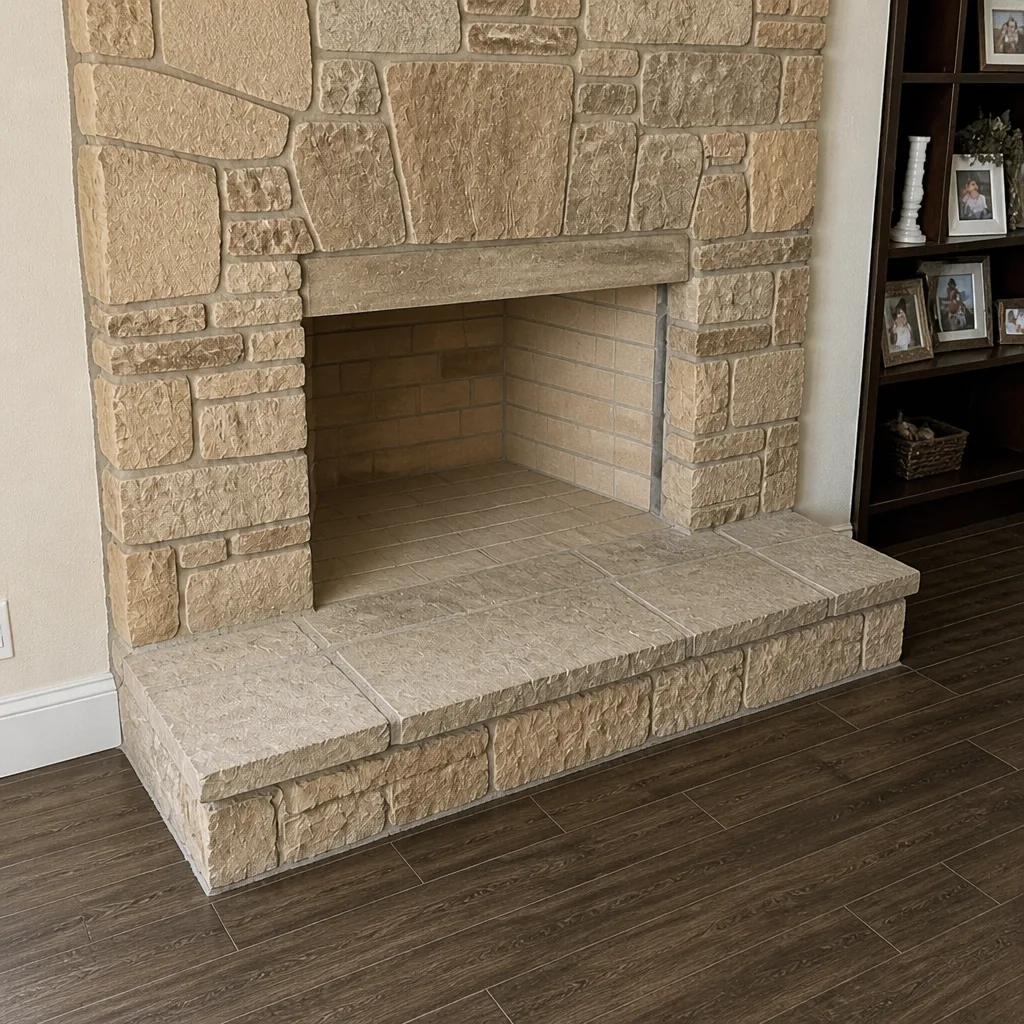
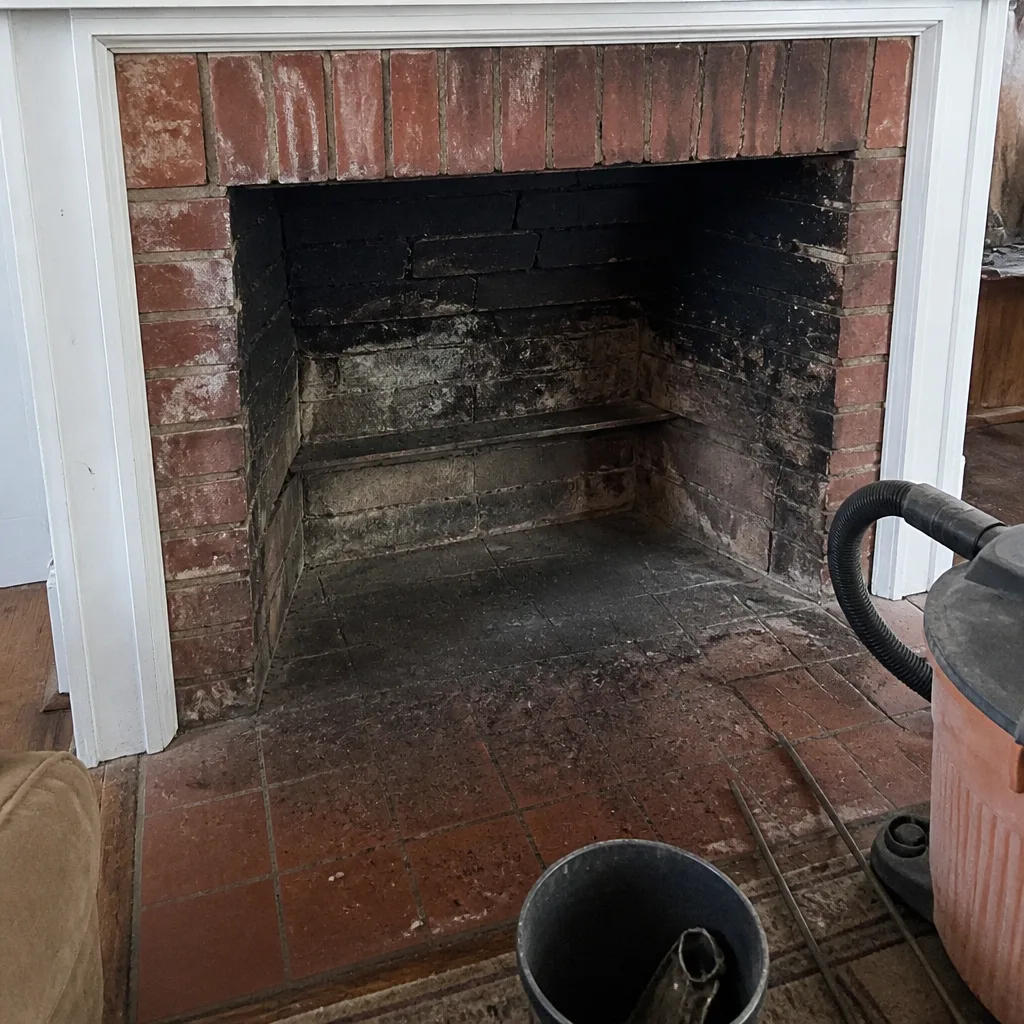
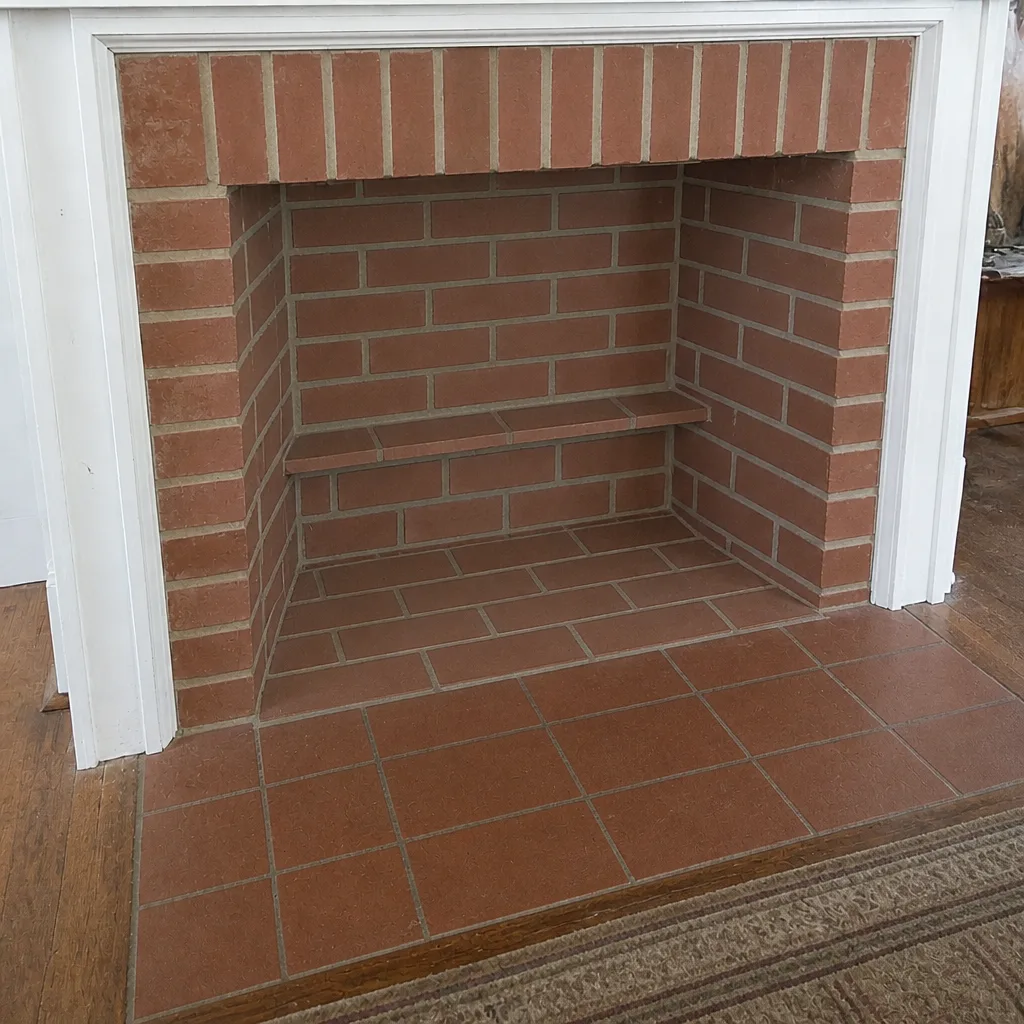
See the difference
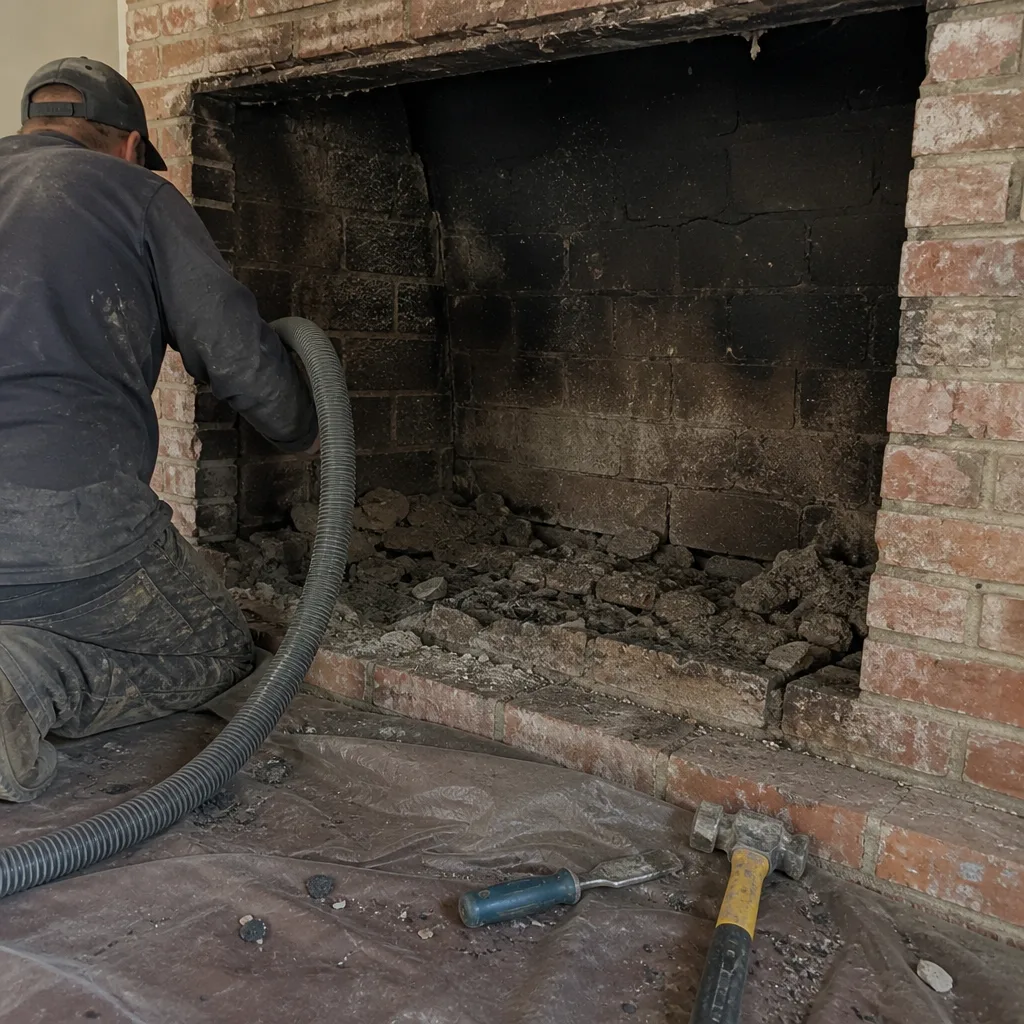 Before
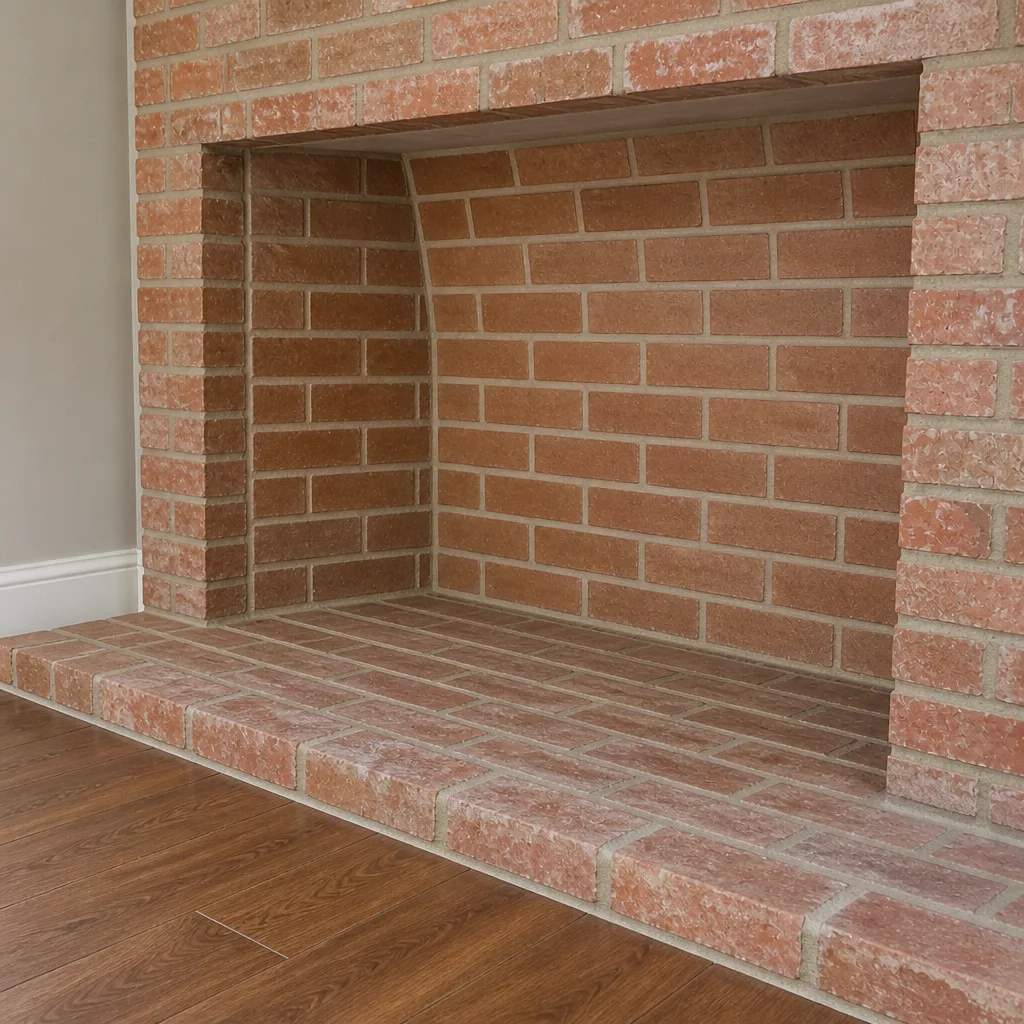 After
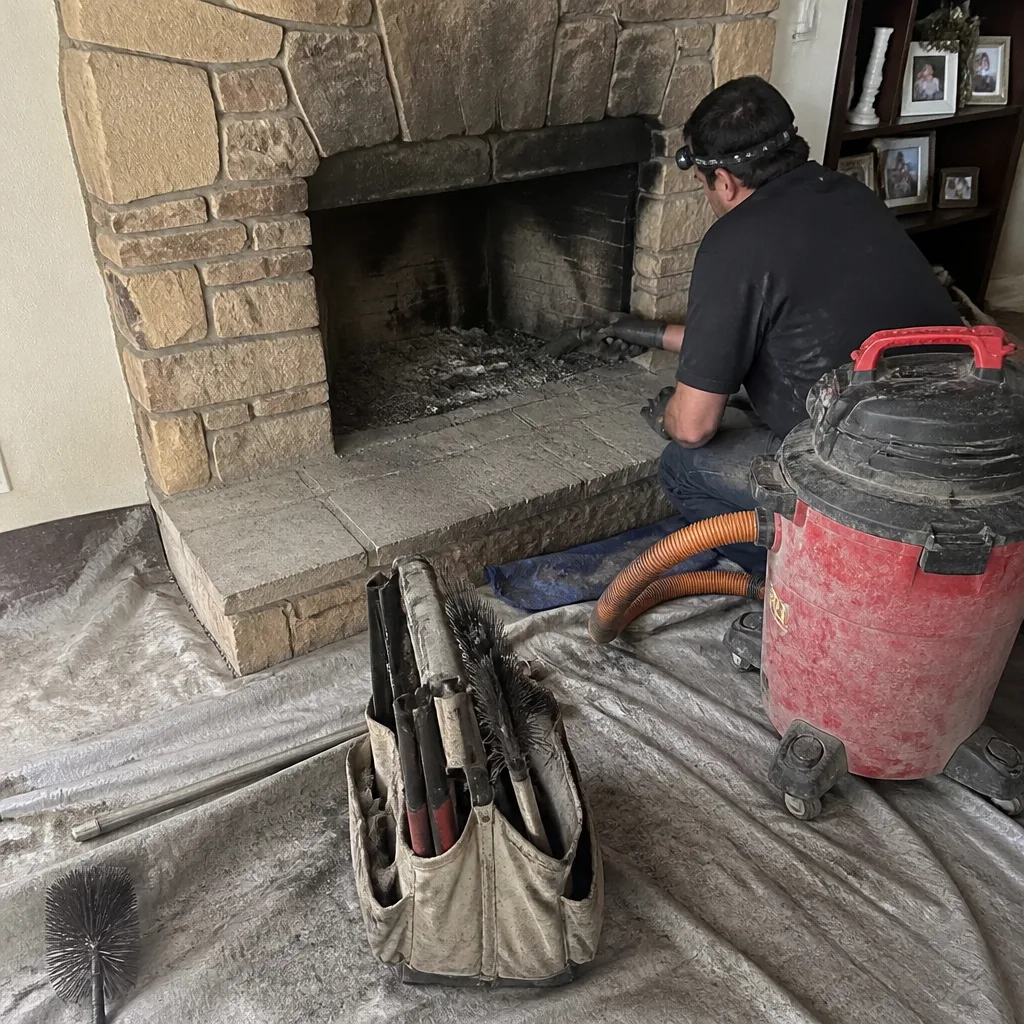 Before
 After
 Before
 After
When to Call a Professional
Call a professional chimney specialist if any of the following applies: you’ve had a chimney fire, even a small one; you smell smoke in the room when the fireplace isn’t in use; there’s visible creosote, crumbling mortar, a spalling crown, or a loose cap; you’ve moved into a home with a fireplace and don’t have a recent inspection record; or it’s simply been more than a year since the last sweep. Call sooner and directly – not after another season – if you or anyone in the household has had headaches or drowsiness that seem tied to using the fireplace. That’s a possible CO signal, and it needs a same-day answer. Chimney Sweep Woodbridge offers free estimates in Woodbridge – call (833) 513-8683. We answer 24/7. Fast dispatch from 7am to 7pm, Sunday through Friday. Our technicians have up to 11 years of experience, and every inspection includes photo documentation you can see and ask questions about.
Frequently Asked Questions
Get everyone out of the house, call 911, and don’t use the fireplace again until a Level 2 inspection clears it. Close the damper and fireplace doors on your way out, but don’t climb onto the roof or throw water into the firebox. If there’s time and one adult is outside already, note whether the chimney has a cap and tell the fire department. Call (833) 513-8683 the next day for the post-fire inspection – estimates are free.
A standard sweep in the Woodbridge area typically runs in the $150 to $300 range, and a Level 2 inspection with photos usually lands in the $250 to $500 range depending on access and liner type. Those are typical estimates – the written estimate you receive before booking sets the final price, and there’s no service-call fee to find out. If the inspection turns up a damaged flue, repair pricing is quoted separately from the inspection. Call (833) 513-8683 for an exact quote on your chimney – estimates are free.
Once a year for an actively used wood fireplace, and more often if you burn frequently or burn unseasoned wood. Woodbridge’s cooler, damper burning pattern tends to produce stickier creosote than steady cold-climate burning, so we look at the actual flue rather than counting fires. If your last sweep was more than twelve months ago, schedule one before you light the next fire. Call (833) 513-8683 to book a sweep.
Not always. Sometimes the damage is limited to flue tiles and a HeatShield resurfacing will restore the interior; sometimes the liner is intact and only a sweep and inspection are needed. The determination has to come from a visual inspection with photos, not from the presence or absence of a fire. We tell you what the flue actually needs, and we say plainly when a repair can wait until the next season. Call (833) 513-8683 to schedule a Level 2 inspection – the estimate is free.
On every level of the home, outside each sleeping area, and in the room with the fireplace or stove, mounted at breathing height. Avoid placing one directly above the fireplace – trace gases at light-off can trip it. Test monthly and replace the units as the manufacturer directs. If a detector goes off, evacuate and call 911 first, then have the chimney inspected. Call (833) 513-8683 for the inspection afterward.
Creosote builds up in the flue and becomes easier to ignite, so the chimney fire risk rises with every season of skipped service, and a blocked or damaged flue becomes a carbon monoxide risk too. In practical terms you’re choosing to keep burning on a flue that has never been looked at, and damage is usually found the expensive way. A yearly sweep and inspection is the cheaper path by a wide margin. Call (833) 513-8683 to schedule yours – estimates are free.
The Bottom Line
The households that handle a chimney emergency correctly aren’t the brave ones or the fast ones. They’re the ones who read the signs, evacuated without hesitation, called 911, kept the fireplace off until the flue was inspected, and had a photograph of the chimney and a Level 2 inspection report ready when the adjuster asked. Most of that preparation happens months before any fire. If you take three steps from this guide, make them: a sweep and inspection before burning season, a carbon monoxide detector layout reviewed against the room where the fireplace sits, and a chimney emergency card in a kitchen drawer with the phone number on it. Call (833) 513-8683 for a free estimate. We answer 24/7. Fast dispatch from 7am to 7pm, Sunday through Friday, and our technicians have up to 11 years of experience working on chimney systems in Woodbridge homes. The fireplace stays off until we’ve confirmed the flue is safe – and that’s the standard worth building a household plan around.
Written by the team at Chimney Sweep Woodbridge.