
Last updated November 25, 2026
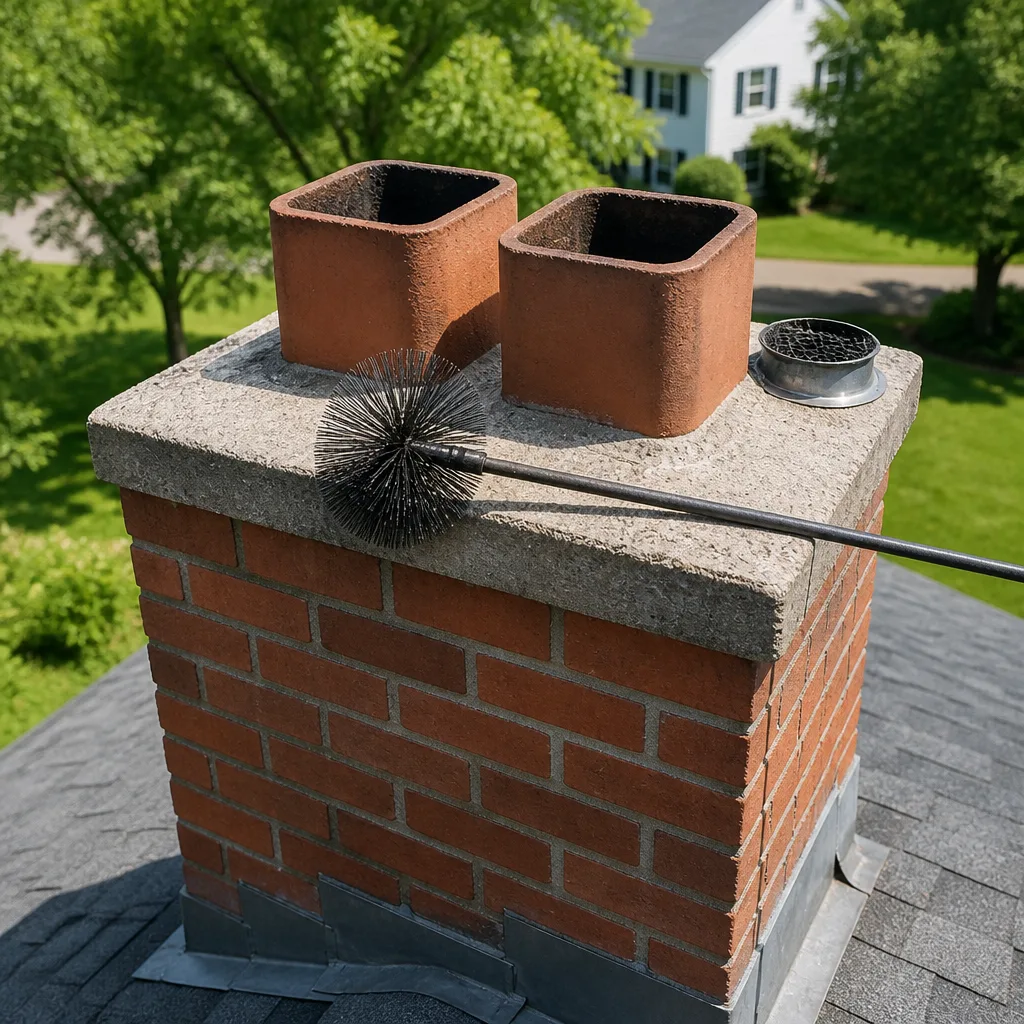 Sweep & inspection
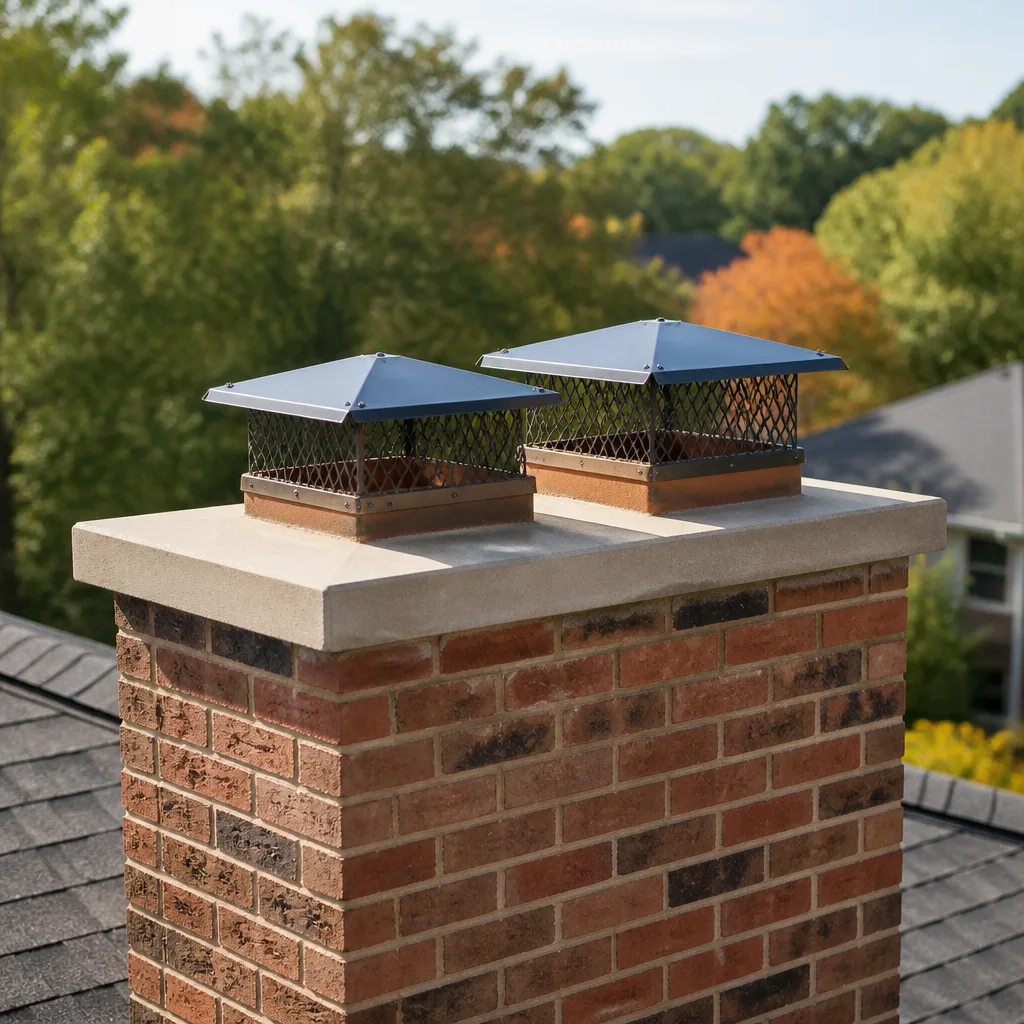 Caps & crowns
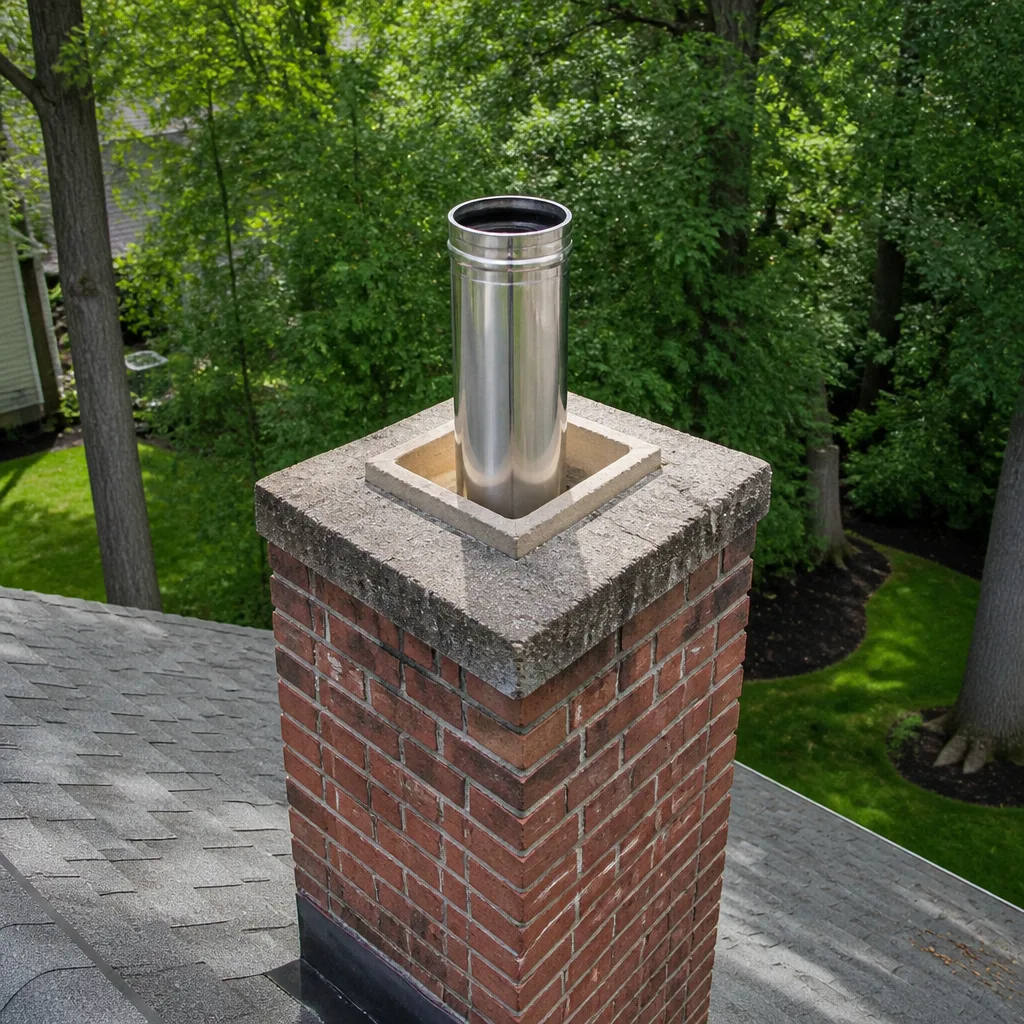 Flue relining
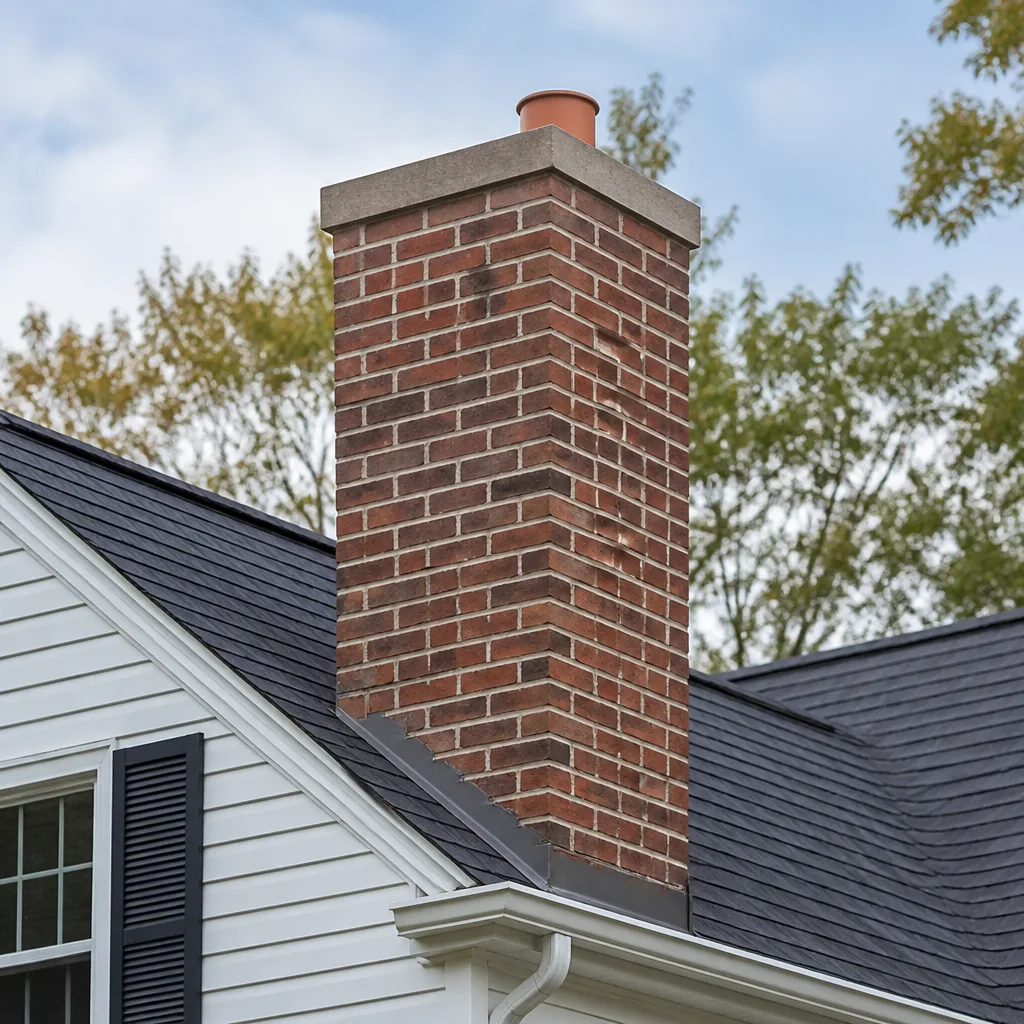 Masonry repair
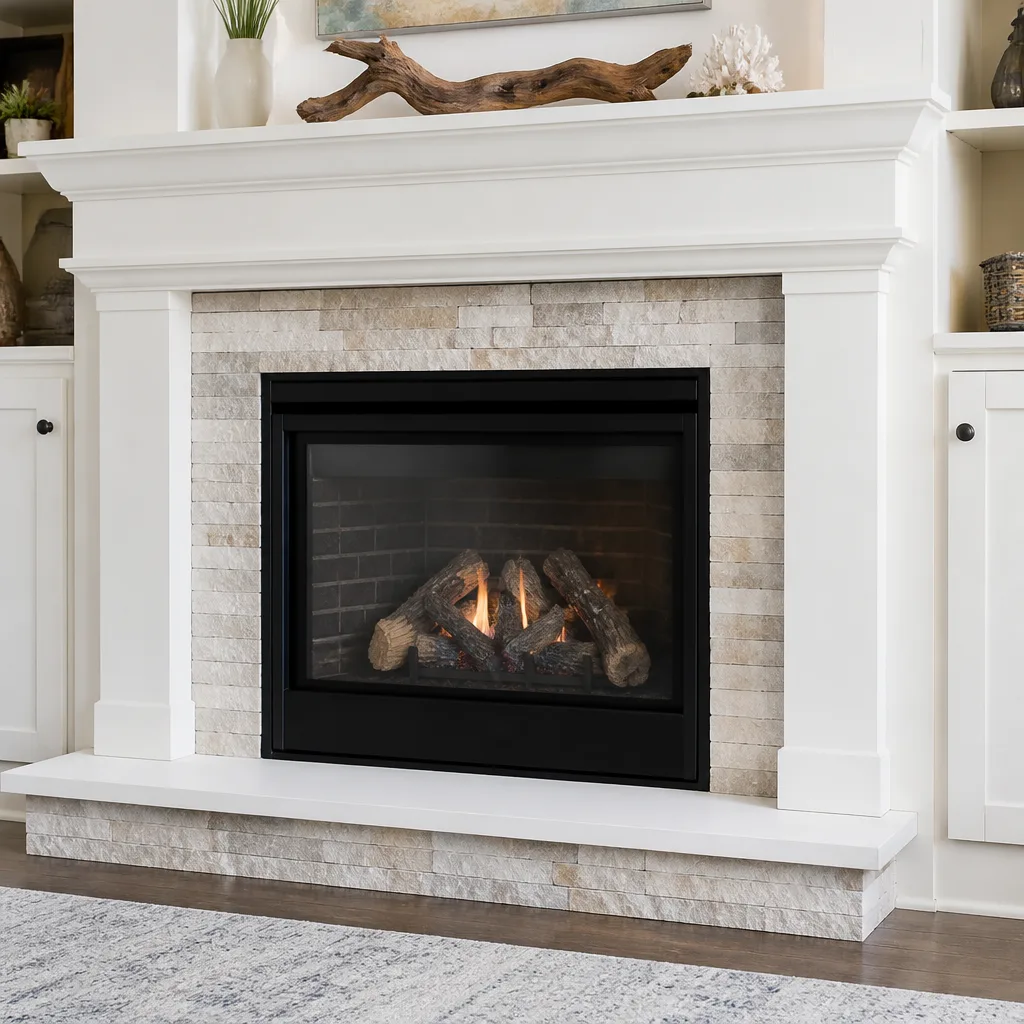 Gas fireplace service
Level 1 sweep and inspection to the NFPA 211 annual standard - flue, crown, cap, and flashing checked and photographed
Chimney sweep logs do not sweep chimneys. They loosen some creosote - which then falls where a brush and vacuum still have to collect it.
Choosing the Right Chimney Cleaning Brand: A Buyer’s Guide for Woodbridge
Most homeowners in Woodbridge shop for chimney service the way they shop for a car: by the name on the sign. That’s the wrong instinct. The company name on the invoice tells you almost nothing about what will actually be installed inside your flue. What matters is whether the liner, the crown coating, and the firebox materials are rated and listed for the job. In this guide we’ll walk through the difference between franchise brands and independent specialists, the professional-trade product categories you should know, how to verify materials are actually UL-listed, and what to ask about warranties before anyone touches your chimney in Woodbridge.
Quick Answer
Choosing the right chimney cleaning company in Woodbridge means checking three things: whether it specializes in chimneys only, whether it uses professional-trade, UL-listed materials (HeatShield, DuraFlex, Gelco and Olympia Chimney are the categories to recognize) rather than hardware-store substitutes, and who actually backs the warranty if a repair fails. A nationally franchised name does not guarantee any of those; a focused local specialist who can show you the materials and explain the listing status usually does.
Styles & brands we work with
- Sweep & inspection
- Caps & crowns
- Flue relining
- Masonry repair
- Gas fireplace service
Table of Contents
- Franchise Brand vs. Independent Specialist
- Why Materials Matter More Than Brand Names
- Professional-Trade Product Categories and Their Consumer Counterparts
- How to Verify UL-Listed Materials Before Work Begins
- What “Locally Owned” Actually Means in Woodbridge
- The Material Warranty Question Most Homeowners Forget
- Questions to Ask Before You Book
- Common Mistakes to Avoid
Franchise Brand vs. Independent Specialist
When you search for a chimney cleaning company in Woodbridge, the top results often include franchise names you’ve seen on billboards. A franchise isn’t automatically a bad choice, but the model changes what you’re actually buying. Franchises are typically owner-operated under a licensed brand system, which means quality varies from one territory to the next. The logo is consistent; the technician, materials, and follow-through are not. What a franchise does give you is a national reputation that the local operator borrows but doesn’t control.
An independent specialist makes a different trade. There’s no national marketing machine, so the business has to earn its standing one customer at a time in the market where it works. That accountability has practical consequences:
- Technician continuity. A franchise territory with rotating staff sends whoever is scheduled. An independent shop tends to keep trained technicians on staff longer, because the business depends on repeat calls and referrals rather than a national ad budget.
- Materials sourcing. Franchises often buy through a central supply agreement, which may standardize materials across the country whether they suit your chimney or not. Independents buy from trade distributors, so they can match the product to the specific flue.
- Scope of service. Many franchises are sweep-focused and refer structural work out. A chimney-only independent that handles liner repair, cap and crown work, and fireplace repair keeps the whole system under one roof, which matters when a repair on one part affects another.
None of this means every independent shop is better than every franchise. It means the choice should turn on scope and accountability, not on which logo is bigger. Ask what the company will do if the flue needs relining, not just sweeping. If the answer is “we’ll refer you,” you’re dealing with a sweep company, not a specialist.
In a mid-size market like Woodbridge, the pool of qualified chimney specialists is small enough that you can check each one properly. That’s an advantage competition doesn’t offer everywhere, and it’s worth using.
Why Materials Matter More Than Brand Names
Here’s the part of the market that most homeowners don’t see. Professional chimney contractors use materials named HeatShield, FireGuard, Thermocrete, DuraFlex, and similar trade products. You’ve probably never heard of most of them, and there’s no reason you should have. But the difference between these materials and what a general handyman picks up at a home center isn’t branding. It’s UL listing and thermal performance. A product that has been tested and listed for use inside a flue can withstand the temperatures and conditions a chimney sees in normal use. A substitute product, even one marketed for fireplaces, has not.
Why does this matter in Woodbridge specifically? Winters here are mild, which means some homeowners run their fireplaces fewer months than they would in colder climates. That shortened season often tempts people to skip maintenance or accept a quick patch job because the chimney gets less use. But a mild climate also means the flue sits idle for long stretches, giving moisture from a leaky crown or an uncapped flue time to work on masonry and mortar joints. The day-to-day damage isn’t the fire; it’s the water. That’s why the materials used on the crown and cap matter as much as the liner.
Three material categories come up again and again:
- Liner systems. DuraFlex flexible liners are engineered and listed for relining flues that are damaged or improperly sized. Field substitutions (rigid duct, unflexible pipe substitutes, or “heavy-duty” liner claims from non-trade sources) don’t meet the same standard.
- Flue resurfacing. HeatShield is a specialized resurfacing product applied to compromised flue tiles that haven’t failed outright. Most basic sweep companies don’t carry or apply it. General contractors can’t because the product is a trade material, not a hardware-store item.
- Crown coatings and caps. This is where the top of your chimney does or doesn’t survive water. Gelco and Olympia Chimney caps, and the crown coating materials specified by the manufacturer, solve the root cause rather than treating symptoms inside the flue.
Our technicians have up to 11 years of experience working with these materials. That experience matters less than the fact the materials exist and are used correctly. When you book a service, ask what product will be applied and what listing it carries.
Professional-Trade Product Categories and Their Consumer Counterparts
Most homeowner confusion about chimney materials comes from not knowing what the “good” versions look like relative to the cheap ones. Here’s a plain-language comparison across the main categories you’ll encounter when a sweep recommends a repair.
Liner sealants and resurfacing compounds
Trade product: HeatShield-style resurfacing compound, applied by trained technicians to restore insulation and structural integrity to flue tiles.
Consumer substitute: Generic refractory cement or “fireplace mortar” sold in tubs at home centers. These aren’t listed for application inside a flue and don’t carry the same performance rating.
The difference shows up years later. A properly applied resurfacing product restores the barrier that keeps heat from reaching combustible framing. A patch that looks fine on installation day can fail once it’s exposed to the temperature swings and moisture cycles a chimney sees over a season of use.
Crown coatings and mortars
Trade product: Crown coating materials specified by chimney-trade manufacturers (not mortar alone).
Consumer substitute: Standard mortar mix, sometimes mixed by feel on site. Standard mortar cracks under the same expansion that cracks the original crown, which is why the original failed in the first place.
A crown is a horizontal surface exposed to weather year-round. It’s the top of the chimney and the first place water enters. Coating it with something that isn’t formulated for the job just shortens the interval before the next failure.
Chimney sweeping logs
What they do: Chemically loosen some creosote deposits and reduce the “sticky” stage of creosote on flue walls.
What they cannot do: Replace an actual sweep by a certified technician. Sweeping logs are not a substitute for physical removal of creosote, and they cannot address a glazed third-stage deposit or any structural issue. If you’ve been using them as your annual maintenance, that’s a gap worth checking.
We’re not saying sweeping logs are useless. We’re saying they’re a maintenance aid, not a maintenance plan. A real chimney sweep involves brushing, inspection of what’s visible, and a report on what was found. The log doesn’t do any of that.
How to Verify UL-Listed Materials Before Work Begins
The right question isn’t “do you use HeatShield?” because anybody can say yes. The question is “can you show me the listing?” Here’s how to check, step by step, before anyone starts work:
- Ask for the specific product name and manufacturer, not the category. “We use a professional-grade liner” is not a product name. “DuraFlex” is. If they can’t name the product, they likely don’t know it’s listed either.
- Ask to see the listing information. A UL-listed product has documentation. A specialist should be able to share the listing reference or the manufacturer’s data sheet on request. You don’t need to read the whole sheet; you just need to see that it exists.
- Confirm the listing is for the application you’re getting. A liner listed for one use isn’t necessarily listed for another. HeatShield is listed for resurfacing flue tiles. A product marketed for hearth use isn’t automatically listed for interior flue application.
- Ask who installed it and who inspected it. The listing tells you what the product can do. It doesn’t tell you whether it was installed according to the manufacturer’s specifications. A specialty installer should describe the installation method, not just the material.
- Get it in writing. The written estimate should name the product and the intended application. If the paperwork just says “liner repair,” ask for the correction before signing.
- Check the warranty terms against the manufacturer’s specifications. A warranty that names the manufacturer should match what the manufacturer’s documents say. If the two don’t line up, ask why.
In Woodbridge, the practical result of this process is that you’ll know in about ten minutes whether you’re dealing with a specialist or a company that will be improvising on your flue. The specialists aren’t bothered by the questions. That’s the tell.
What “Locally Owned” Actually Means in Woodbridge
Every service business describes itself as locally owned, and most of the time the phrase is doing almost no work. The version that matters isn’t a label. It’s the practical structure of the business: who answers the phone, who shows up, who you talk to if something goes wrong. This is where a franchise model and an independent specialist part ways in a way you can actually observe.
With a franchise, the local operator is typically a franchisee working under a national brand agreement. Technicians rotate. Marketing comes from the national office. Complaint resolution may involve the corporate system. That’s not a knock; it’s just a structure that spreads responsibility across several parties. When something needs attention two years after a relining job, the question of who actually handles it can be blurrier than you’d expect.
An independent chimney specialist in Woodbridge owns the whole relationship. The same business that answers the phone and inspects the chimney is the one that applies the resurfacing and installs the cap. If a HeatShield application or a DuraFlex liner installation has a materials problem, the specialist coordinates the manufacturer claim directly. There’s no central dispatch between you and the answer.
Woodbridge is a mid-size market, which changes the stakes on this. In a large metro, a franchise can churn through customers and never notice the ones it loses. In a market this size, repeat business is the whole game. A chimney-only specialist that mishandles a repair has to work in the same community afterward. That’s not a marketing claim; it’s just how a smaller market operates. When you book, ask directly: who shows up, and who handles it if something’s wrong six months later.
The Material Warranty Question Most Homeowners Forget
Ask what happens in year two before you sign anything, because this is where the material choice and the company choice collide. There are three different warranty backers you might be dealing with, and they’re not interchangeable:
- The manufacturer. HeatShield, DuraFlex, and other trade manufacturers issue warranties on their products. Those warranties specify installation conditions and void if the product was applied outside spec. If your warranty is manufacturer-backed, the installer has to have followed instructions precisely, and the paperwork should reflect that.
- The contractor. An independent specialist may offer its own workmanship warranty on top of the manufacturer’s. Workmanship warranties cover the installation; they don’t extend the materials coverage. Ask specifically what each covers.
- The franchise or national brand. A franchise may offer a brand-level warranty that’s administered through the franchise system. What this actually covers depends on the franchise agreement. Some franchise warranties cover only the local operator’s work; the national brand sponsors the promise but the local operator performs it. If the local operator leaves the system, the warranty can become much harder to enforce.
The right question isn’t “do you offer a warranty?” because everyone does. It’s “who fills out the warranty paperwork, and where does the manufacturer’s contact information live if I need to file a claim?” If the answer is “we handle that for you,” ask for the manufacturer’s documentation alongside the contractor’s. If the answer is “the manufacturer will reach out to you,” get the manufacturer’s name and model number in writing.
This matters most for liner and crown work, because those are the repairs where a materials failure is both the most expensive to fix and the least obvious until it’s causing a problem. A cap that fails in year two is an annoyance. A liner that fails in year two is a structural safety issue. The warranty has to actually be enforceable.
Questions to Ask Before You Book
Here’s a short script for the phone call. Ask these before you schedule; a specialist will have clear answers, and a company that sweeps chimneys as a side business usually won’t.
- “Are you a chimney-only company or do you do other trades?” Generalist companies sweep chimneys as one of many services. That’s not a dealbreaker, but it tells you who’s likely to have deep familiarity with flue materials.
- “What liner products do you carry or specify?” The answer should include named trade products, not “high-quality liners.”
- “Can you apply HeatShield or do you send out for flue resurfacing?” If they send it out, ask who they send it to and what product that company uses.
- “What cap and crown products do you install?” Gelco and Olympia Chimney are the common professional brands you’ll hear. If the answer is “whatever’s at the supply house,” ask what listing it carries.
- “Will you provide a camera inspection report you can show me?” Visual proof of what’s in the flue is the difference between a recommendation you can trust and one you can’t verify.
- “Who backs the warranty on the materials and on the installation?” Manufacturer, contractor, or both. Get names and documentation references.
- “What happens if the inspection turns up something that isn’t urgent?” A specialist will tell you when work can safely wait. A company selling work will not.
We answer these questions in our own estimates, and we expect the ones we don’t like as much (like “can you do it cheaper with a different liner?”) because they mean you’re paying attention. That’s a good sign.
Common Mistakes to Avoid
- Choosing by the biggest logo. A national brand tells you nothing about the specific technician and specific materials that will show up at your chimney in Woodbridge. Ask what product will be installed, not what the sign says.
- Treating a sweeping log as your annual service. Sweeping logs loosen some creosote; they don’t replace a physical sweep. Skipping the real sweep year after year because the log “handled it” is a maintenance gap, not a saving.
- Accepting a liner recommendation without camera evidence. A liner is one of the more expensive repairs a home needs. If the recommendation isn’t backed by photos or video you can see for yourself, ask for them.
- Skipping the cap because the flue “looks fine.” The cap and crown are the first line of defense against water intrusion, which is the most common cause of masonry and mortar failure in a mild climate. Skipping the cap is a deferred repair.
- Taking a verbal warranty. “We stand behind our work” is a phrase, not a warranty. Get the manufacturer’s documentation for anything involving a liner or crown coating, and ask who files the paperwork.
- Hiring a generalist to do a specialist’s job. A handyman or general contractor can perform a sweep, but they typically don’t carry the trade products that liner and resurfacing work requires. If a job includes relining, the company doing the relining needs access to those materials.
- Missing the inspection because the fireplace “worked fine last winter.” A flue can develop a problem during the off-season without any visible sign. The inspection is what catches it, not the smell test on the first fire.
See the difference
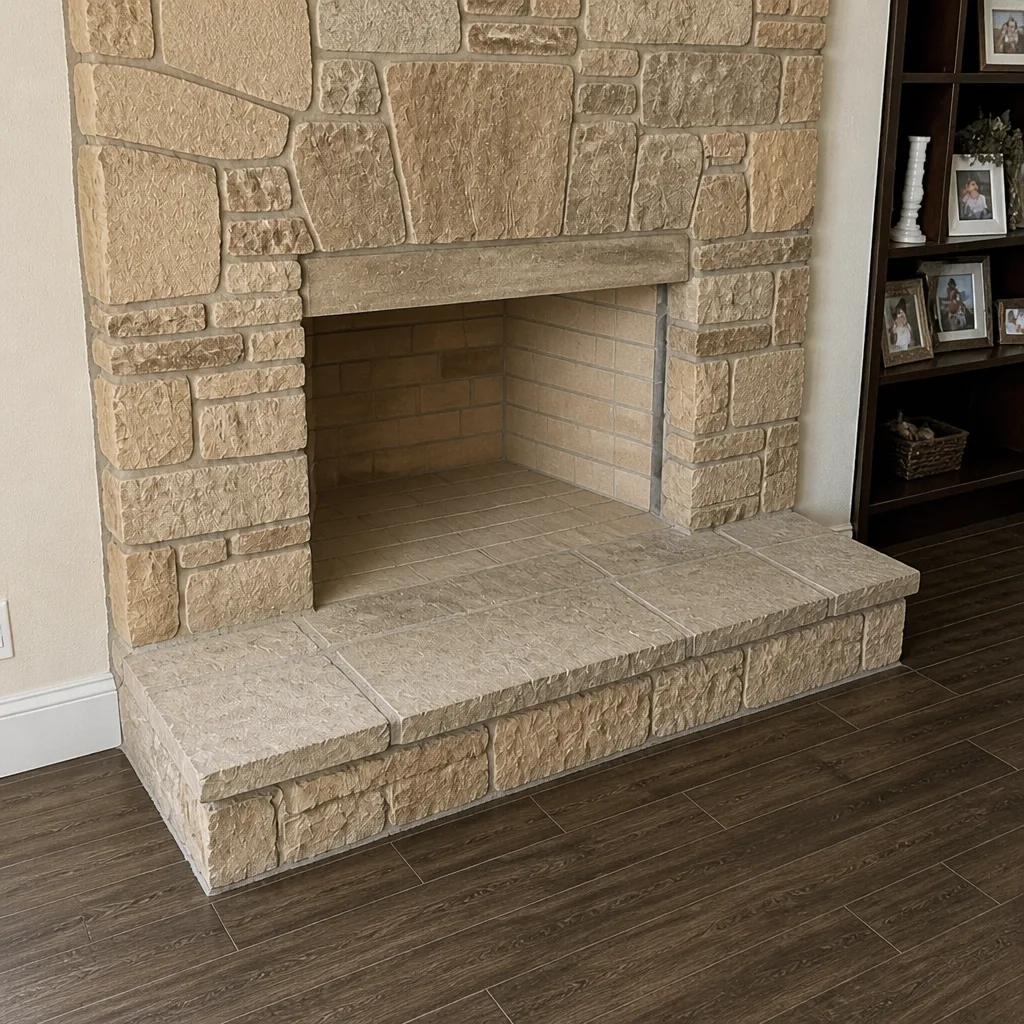
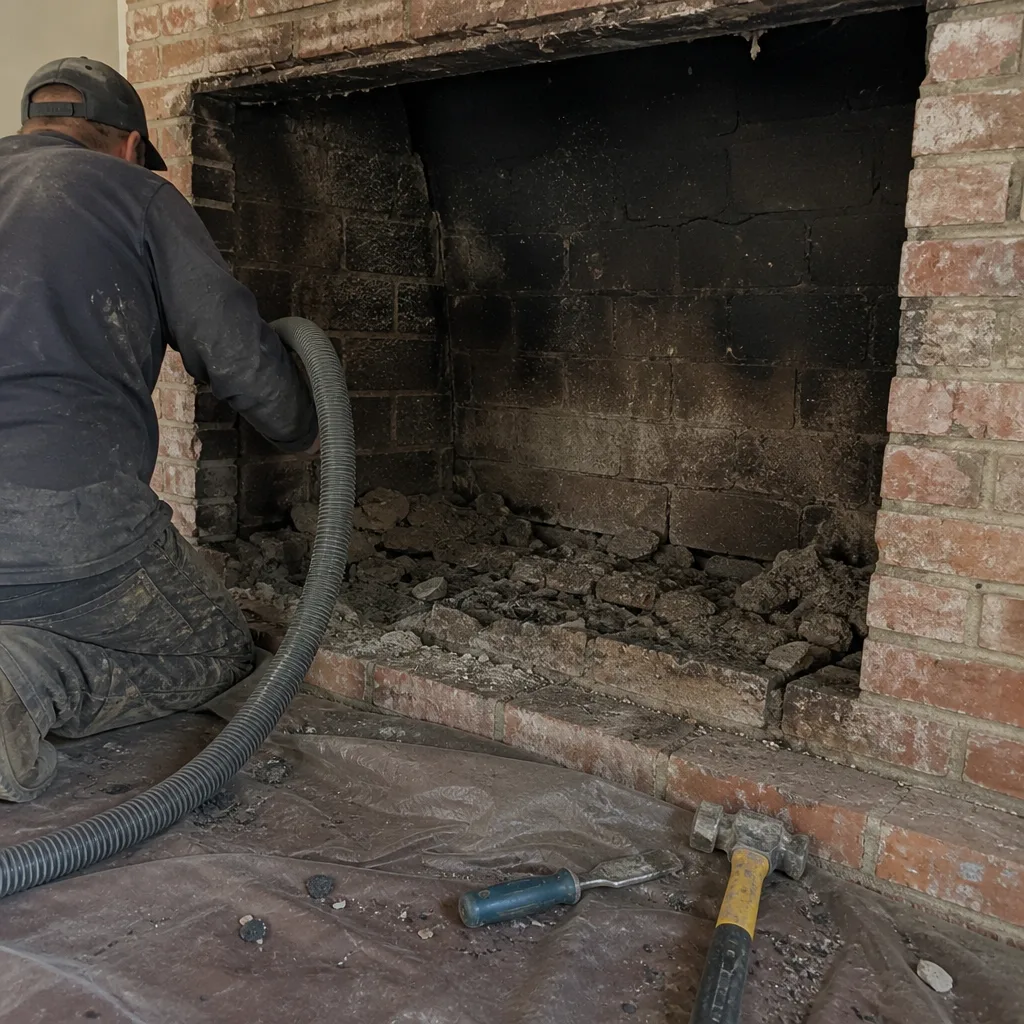 Before
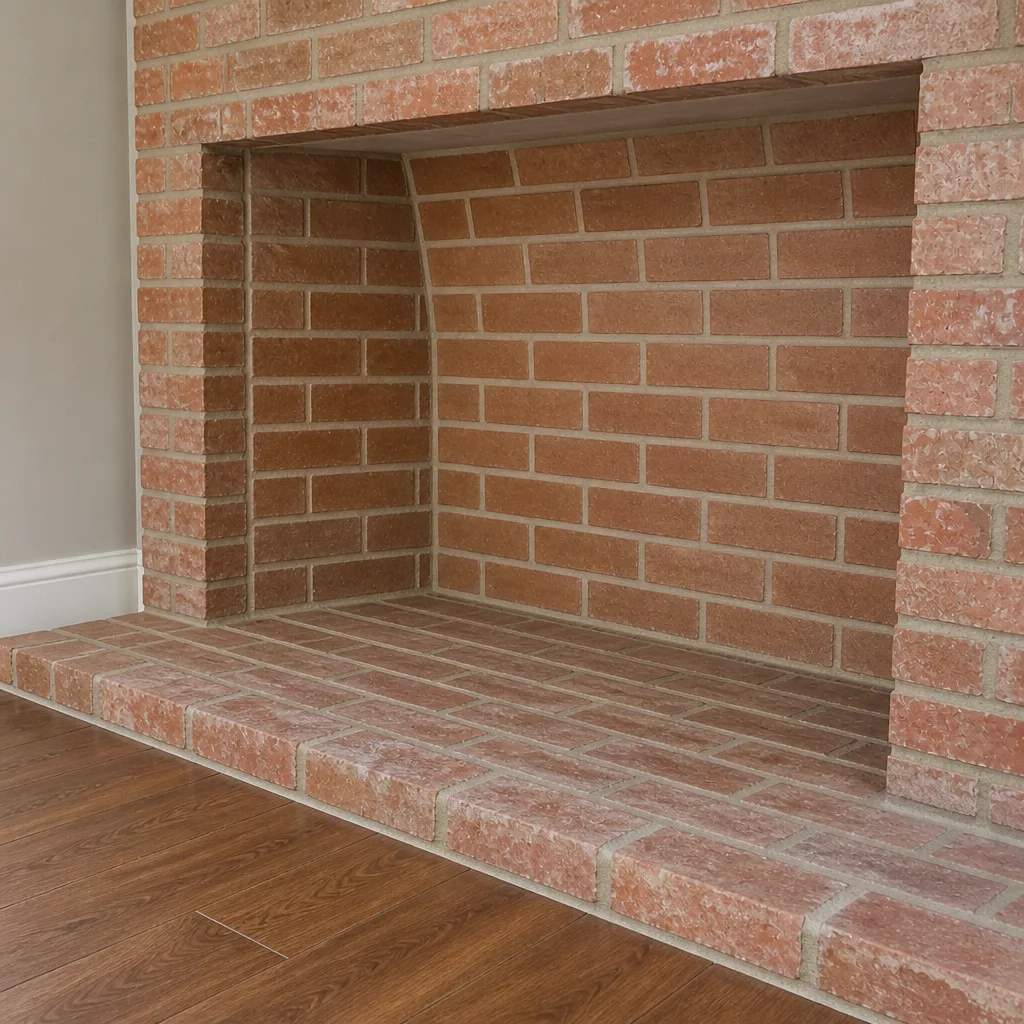 After
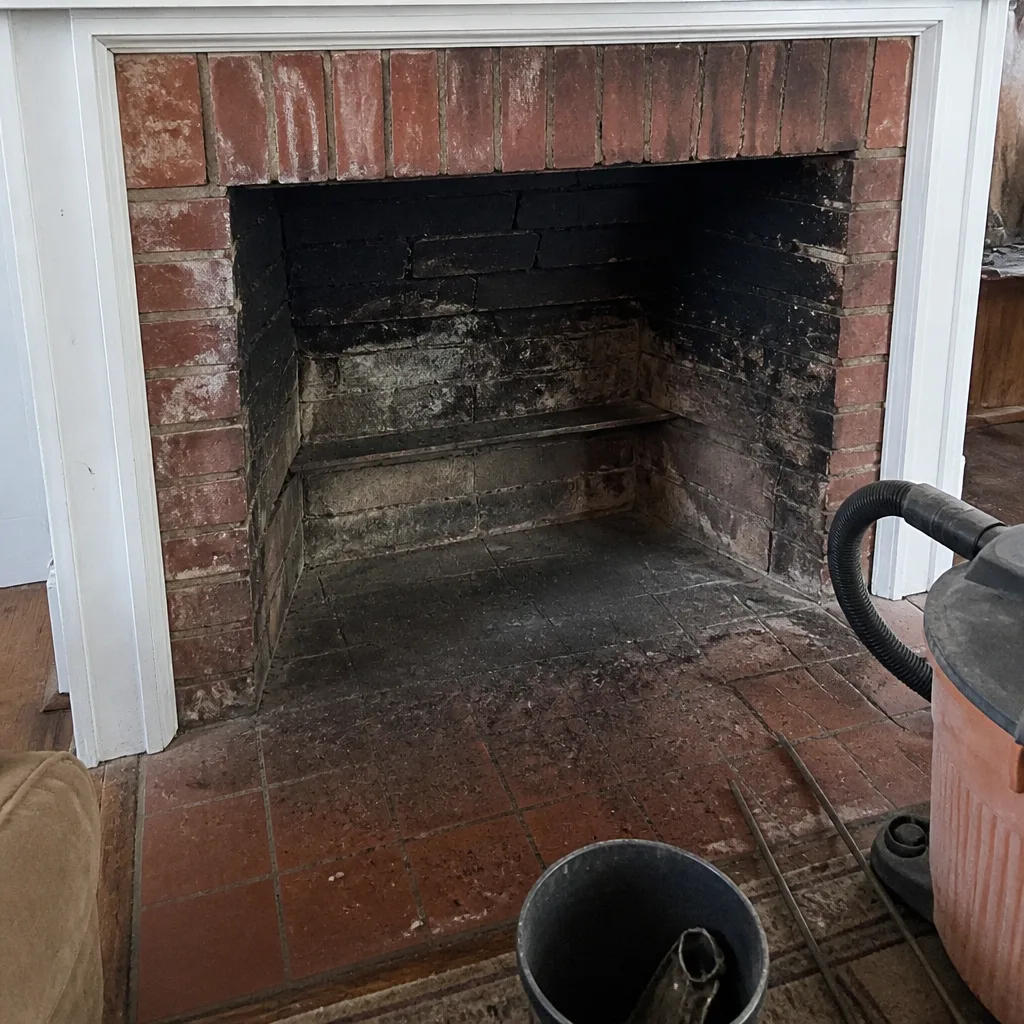
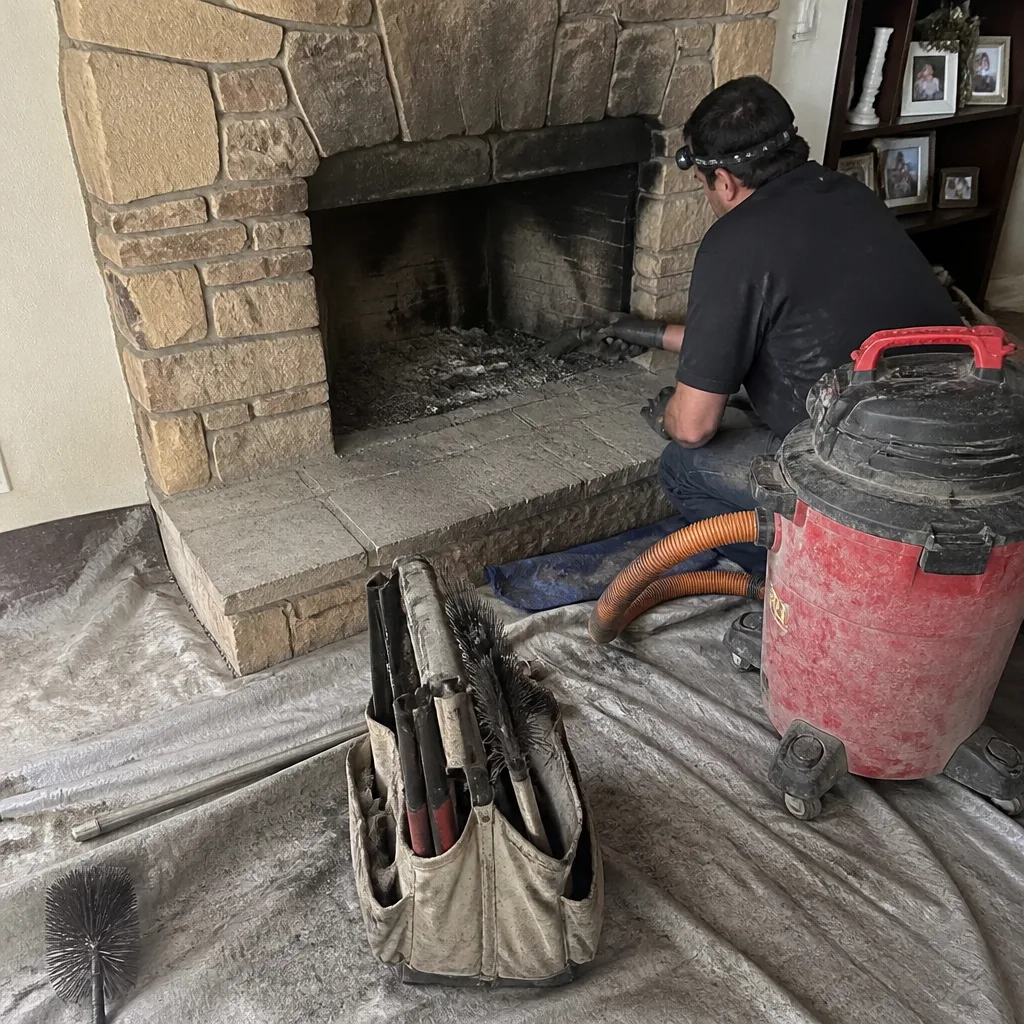 Before
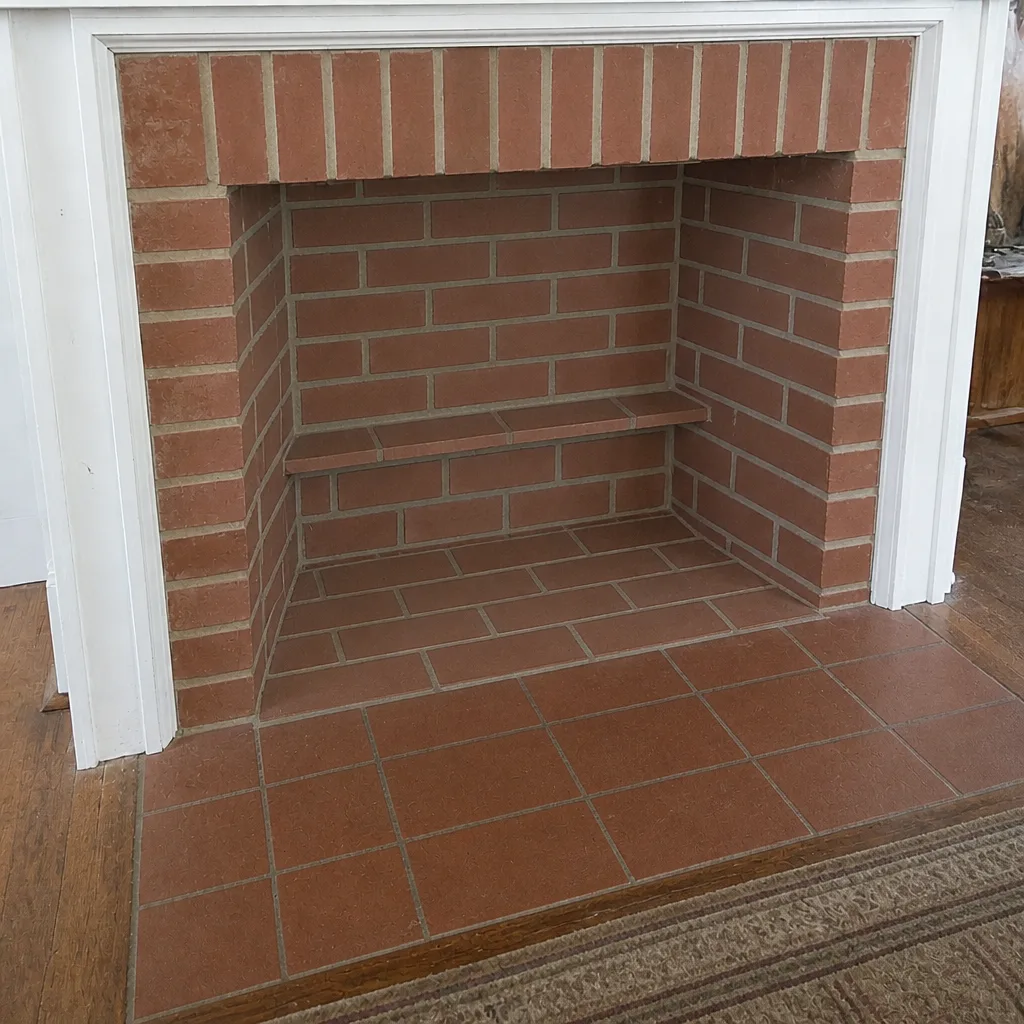
 After
 Before
 After
When to Call a Professional
Some chimney issues can wait for your next scheduled sweep. Others shouldn’t. Call a specialist if you notice spalling brick (the face flaking off in sheets), a leaking crown or rust stains on the firebox, poor draft (smoke rolling into the room instead of up the flue), a damaged or visibly cracked liner through the firebox, water stains near the chimney or on the ceiling, or any visible crack in the crown. Call before your first fire of the season if you haven’t had a sweep or inspection recently. And call if you’ve recently moved into a Woodbridge home with an older masonry chimney and don’t know its service history, because the previous owner’s records are the cheapest diagnostic you’ll ever get (or the one you don’t have). Chimney Sweep Woodbridge offers free estimates in Woodbridge. Call (833) 513-8683. We answer 24/7, and fast dispatch runs from 7am to 7pm, Sunday through Friday.
Frequently Asked Questions
A standard sweep is typically quoted per job after the technician sees the flue, and the written estimate sets the final price. The estimate itself is free, so the cost of getting a real number is the phone call. Call (833) 513-8683 for an exact quote.
A franchise borrows a national brand and often has rotating technicians; an independent specialist owns the whole relationship and typically keeps trained technicians on staff. In a mid-size market like Woodbridge, the accountability difference is what shows up two years after a repair. Ask who shows up and who answers for it if it fails.
You need a new liner if the current one is cracked, unlisted for your application, incorrectly sized, or has failed the insulation barrier the flue needs. You don’t need one if a camera inspection shows it’s intact. Nothing should be recommended without camera evidence you can see yourself; if a company can’t show you the photos, get another opinion. Call (833) 513-8683 to book an inspection.
HeatShield and DuraFlex are the current standard for flue resurfacing and relining because they’re UL-listed for the application. A general contractor’s patch may look fine on installation day, but it hasn’t been tested for the thermal conditions inside a flue. When the repair involves the liner or the flue tiles, the material has to be listed for the job.
Once per year for the inspection and sweep is the general rule most chimney professionals use, regardless of how often you burn. In a mild climate the flue sits idle longer between fires, and water entry during the off-season is the more common cause of damage than heavy burning. Annual is a reasonable baseline; ask for the inspection schedule your specific chimney needs.
No. Chemical sweeping logs can loosen some creosote and reduce the sticky stage of deposits, but they do not remove creosote physically, and they cannot address a glazed third-stage deposit or any structural problem. They’re a maintenance aid, not a substitute for a real sweep by a trained technician.
The Bottom Line
The strongest chimney company in Woodbridge isn’t the one with the biggest logo. It’s the one that can tell you exactly what products it will use, show you the UL listing for those products, and name who backs the warranty if something fails in year two. Franchise names provide a national reputation but not a local guarantee; independent specialists provide local accountability but not national marketing. For most homeowners, the deciding factor should be the material list, the camera inspection report, and the warranty structure. If a company can answer all three clearly, you’ve found a specialist. If they can’t, keep calling.
If you want a free written estimate that names the products before you commit, call (833) 513-8683. We answer 24/7. Fast dispatch from 7am to 7pm, Sunday through Friday. We’ll show you what we find, answer the material questions plainly, and tell you when work can wait. For a chimney cap & crown assessment, a sweep, or a full inspection, call and we’ll set a time. We schedule around your chimney’s needs, not around a sales cycle.
Written by the team at Chimney Sweep Woodbridge.