
Last updated November 25, 2026
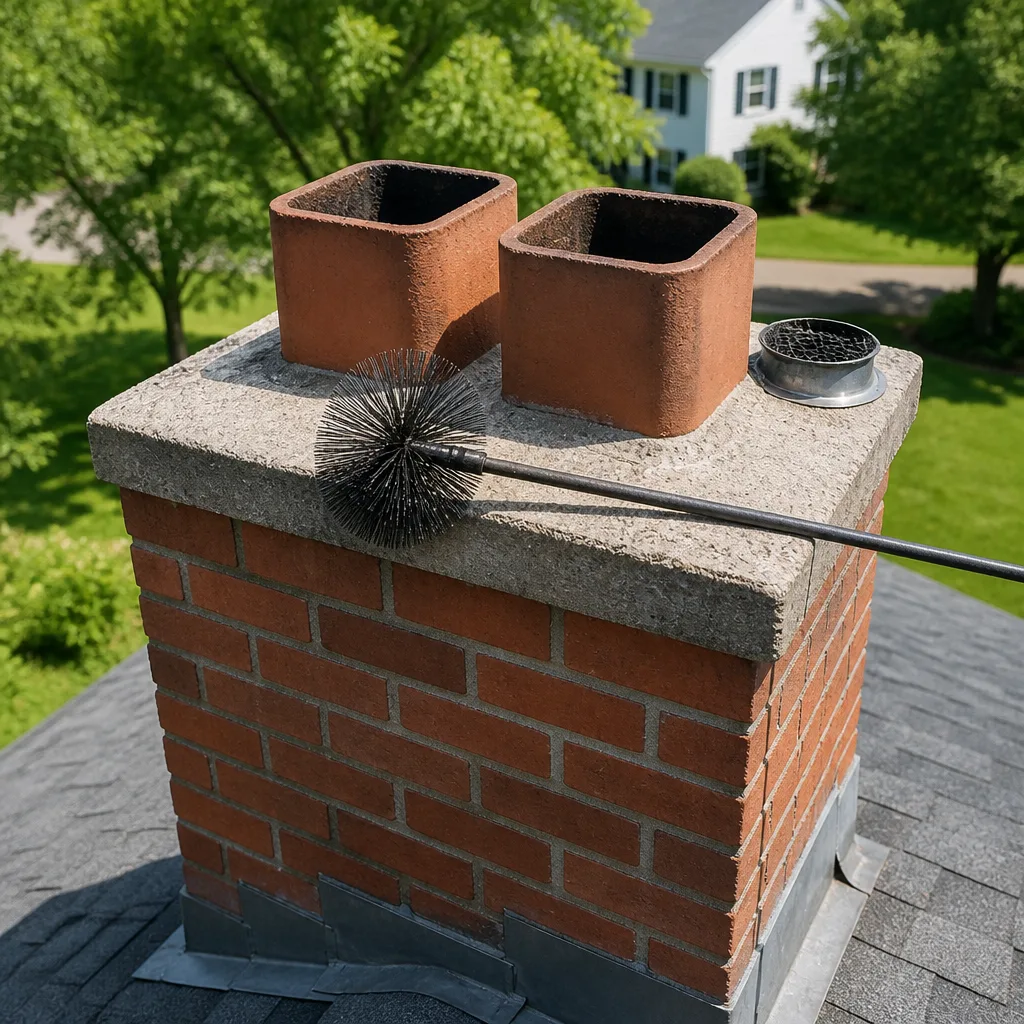 Sweep & inspection
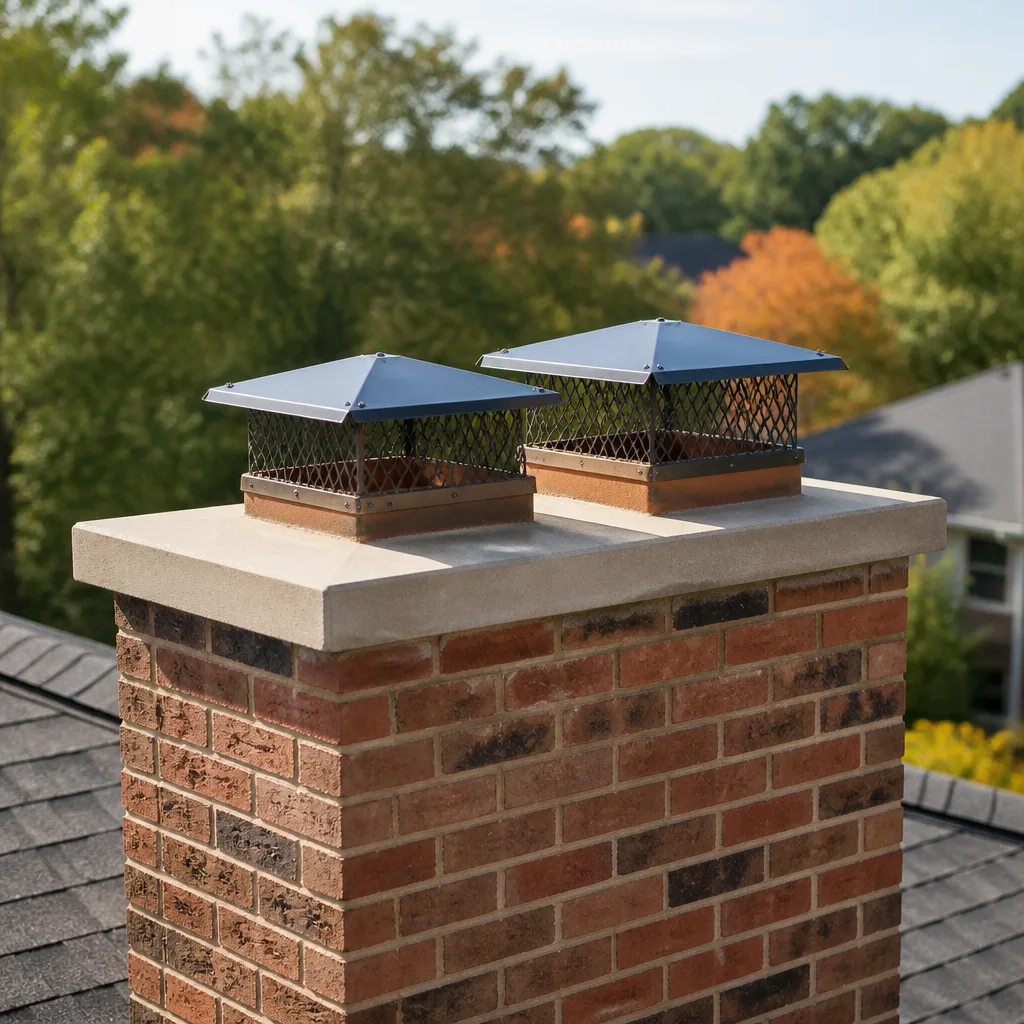 Caps & crowns
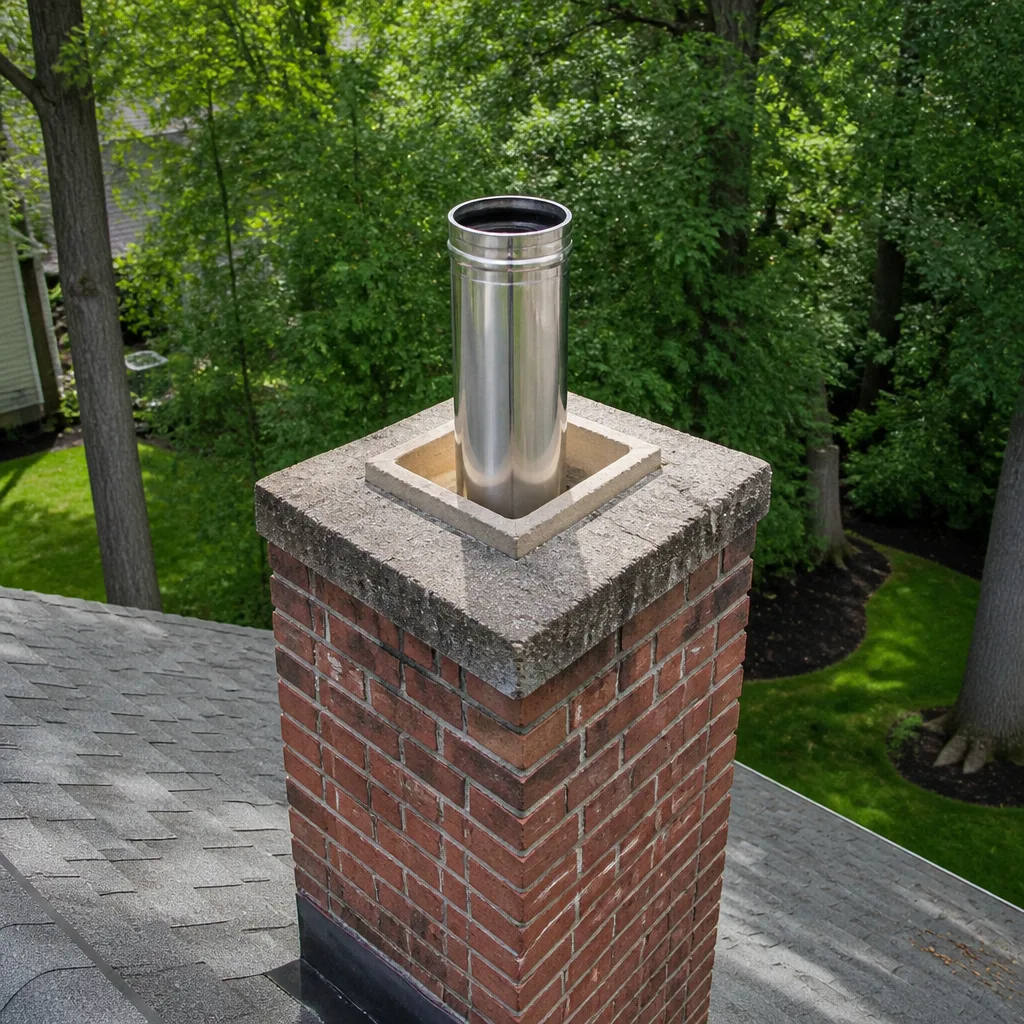 Flue relining
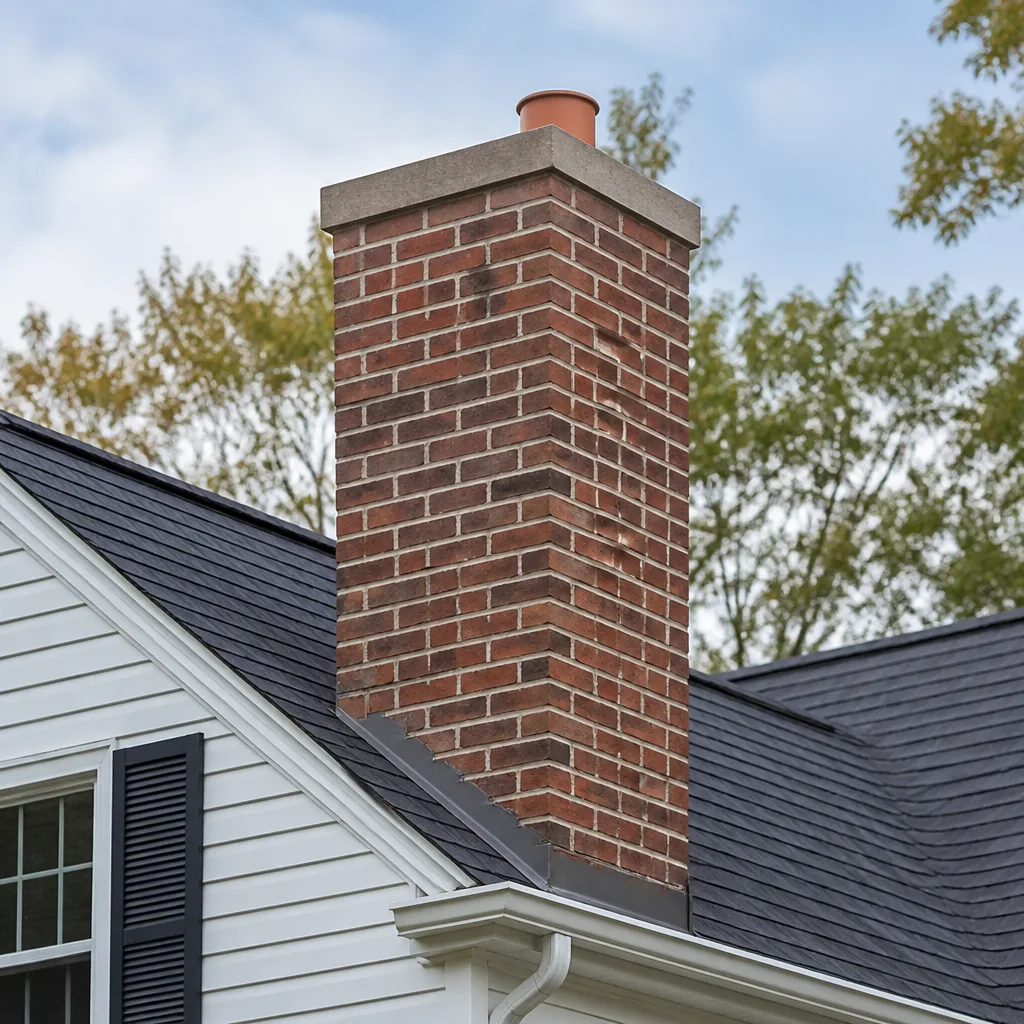 Masonry repair
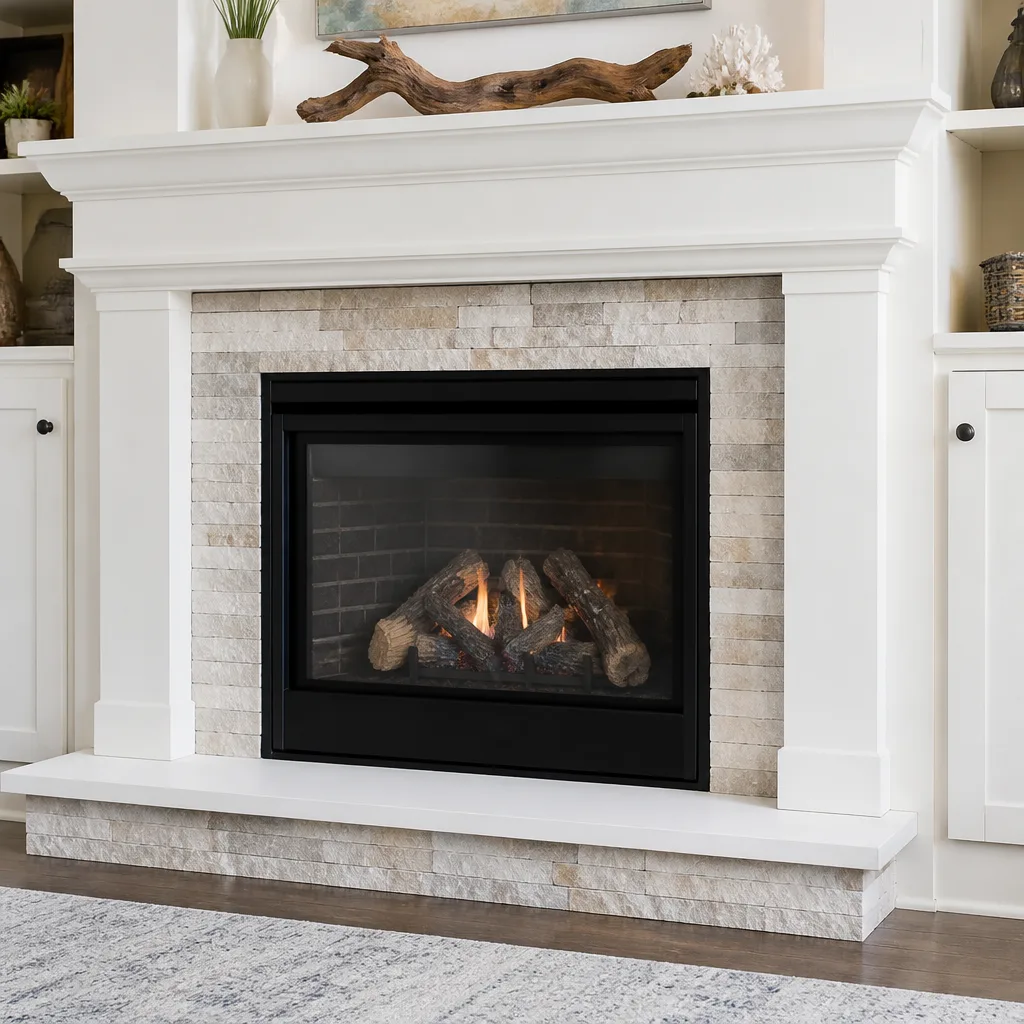 Gas fireplace service
Level 1 sweep and inspection to the NFPA 211 annual standard - flue, crown, cap, and flashing checked and photographed
Chimney sweep logs do not sweep chimneys. They loosen some creosote - which then falls where a brush and vacuum still have to collect it.
How to Hire a Chimney Cleaning Contractor in Woodbridge: A Step-by-Step Guide
A CSIA-certified sweep and a handyman with a hardware-store rod kit can quote you the same job title at similar prices. The difference shows up inside your flue liner, not on the invoice. One of them reads deposits, tile joints, and draft; the other pushes a brush and hopes for the best. In Woodbridge, where the housing stock runs from mid-century ranch homes with original masonry fireplaces to newer builds with factory-rated inserts, the wrong hire is invisible until there’s a problem. This guide walks through the credential checks, interview questions, and quote-validation steps that separate a chimney-only specialist from a generalist with a truck. You’ll learn what certification numbers to look up, what a legitimate photo report looks like, and how to read a quote for hidden scope gaps.
Quick Answer
To hire a chimney cleaning contractor in Woodbridge, verify CSIA certification by looking up the technician’s number in the CSIA public directory, confirm they hold an active California contractor license if structural repair or relining is on the table, and ask the company directly whether chimneys are their only trade or a side offering. Request an itemized quote that separates sweep, inspection level, liner check, and cap inspection. A legitimate contractor will show you photographs of the flue before recommending any work.
Styles & brands we work with
- Sweep & inspection
- Caps & crowns
- Flue relining
- Masonry repair
- Gas fireplace service
Table of Contents
- What credentials should a Woodbridge chimney sweep hold?
- Five questions that reveal whether a company is chimney-only
- What a proper pre-service photo report looks like
- Red flags in chimney cleaning pricing
- How to validate a chimney quote line by line
- Inspection levels explained (and which one you actually need)
- Woodbridge climate, housing, and what your flue is dealing with
- Why the brand on the liner matters as much as the sweep
What credentials should a Woodbridge chimney sweep hold?
The credentials worth checking fall into three buckets: national certification, trade-specific training, and state licensing. Each one answers a different question about who’s actually in your home.
CSIA certification. The Chimney Safety Institute of America issues a Certified Chimney Sweep credential, and every certified professional has a number that can be looked up in the CSIA’s public directory. Ask for the number, look it up yourself, and confirm the name matches the person who will actually be on site. CSIA certification means the sweep has passed an exam on NFPA 211 (the national standard for chimneys) and stays current through continuing education. It is the single most reliable indicator that someone has been trained on the codes rather than just the brush.
NFI certification. The National Fireplace Institute certifies technicians on venting and installation for wood, gas, and pellet appliances. If your home has a gas insert or a factory-built fireplace, an NFI-certified technician can service and evaluate the venting system to the manufacturer’s spec. For a straight wood-burning masonry chimney, CSIA is the primary credential; NFI becomes more relevant when inserts, gas logs, or replacement appliances are involved.
California contractor licensing. Routine sweeping and Level 1 inspections typically do not require a contractor license. Structural repairs, liner replacement, and rebuilds do. In California, that means an active license with the Contractors State License Board (CSLB), generally in the masonry or general building classification depending on scope. Ask for the license number and verify it on the CSLB website before any structural work begins. A sweep who offers to reline your flue without a license is telling you something about how they operate.
What this means for a Woodbridge homeowner:
- Routine annual sweep: ask for CSIA certification.
- Gas insert or pellet appliance service: ask for NFI certification.
- Liner replacement or structural repair: ask for CSLB license and verify it.
- Any repair recommendation: ask for photographs before you agree.
Our technicians have up to 11 years of experience, and our work is stocked with and trained on the professional-trade brands used in certified restoration work. That matters because the credentials above only tell you about the person; the materials tell you about the job. A CSIA-certified sweep applying HeatShield to a compromised flue is a different outcome than the same sweep recommending replacement of a liner that could have been resurfaced.
Five questions that reveal whether a company is chimney-only
Woodbridge has plenty of handymen who list chimney sweeping between gutter cleaning and pressure washing. The questions below surface the difference quickly. Ask them before you book; the answers are usually clear enough to sort a specialist from a generalist in under five minutes.
- “Is chimney work your only trade, or one of several services you offer?” A chimney-only specialist will say yes without hedging. A generalist will list five or six other services, and the chimney work is usually the least-trained part of their business.
- “What inspection levels do you perform, and how do you choose between them?” Anyone trained to NFPA 211 will name Level 1, 2, and 3 clearly and explain when a video scan is required. A handyman will describe “checking the chimney” and move on.
- “What brand of liner do you install, and why?” A specialist names a specific professional-trade brand and explains the material spec. DuraFlex flexible liner systems, for example, are a recognized structural solution for flues that need relining. A generalist will say “whatever the supply house has.”
- “Can you show me photos of the flue from inside?” If the answer is no, or “we can describe it,” stop. A trained sweep carries a camera. Photographs from inside the flue, taken during the inspection, are the entire evidentiary basis for any recommendation.
- “Who does the structural repair if my chimney needs it?” A chimney-only specialist handles it in-house. A generalist either brings in a mason or does it themselves with less experience. Either answer reveals whether the “one call” claim is real.
Run through those questions and a clear picture emerges. Our company offers five distinct service categories across the entire chimney system: chimney sweep, inspection, cap and crown, fireplace repair, and full chimney repair. The reason we keep that scope narrow is simple: the diagnostic skills that let a technician read deposits, draft, and tile joints only come from working on chimneys every day. A generalist who sweeps a few a month is not accumulating the same experience.
What a proper pre-service photo report looks like
The single biggest failure mode in chimney service is a verbal “your chimney needs X” recommendation with no evidence behind it. A trained contractor shows you the flue, the firebox, the damper, the crown, and the cap in photographs before any work begins. Anything less is a sales pitch, not an inspection.
Here’s what a legitimate pre-service photo report covers:
- Exterior shots of the chimney from the roof: crown condition, cap condition, flashing, visible masonry cracks, spalling brick.
- Firebox interior: the condition of the firebrick, mortar joints, and any gaps or erosion.
- Damper: whether it opens and closes cleanly, whether it seals.
- Flue interior via camera: deposits (creosote glaze vs. stage-two buildup), tile or metal liner condition, any gaps, cracks, or offsets.
- Cap and crown: whether the cap is intact, whether the crown is shedding water where it should.
Each photo should be shown to you on the spot or sent within a day, with the technician explaining what they see and what it does and doesn’t mean. If two photos could support the same narrative, ask which one specifically drives the recommendation. A chimney sweep who can’t point to a specific frame showing a specific problem is guessing.
We include a camera inspection and a photo report as part of the standard service. That’s not a marketing add-on; it’s the whole point. If you can’t see the inside of your own flue, you have no way to judge whether the recommendation you’re given is honest. And if the work can safely wait until next season, a legitimate contractor will tell you so. There is no reason to push a repair that isn’t due.
To book a chimney sweep with a photo report included, call (833) 513-8683. The estimate is free and the price is set per job by a written quote.
Red flags in chimney cleaning pricing
A suspiciously low sweep quote is usually a foot in the door, not a bargain. Sweeping takes labor, equipment, and time; a quote far below the local range usually means the contractor plans to make the money back on the back end, after they’ve seen the flue and can sell you a liner, a crown rebuild, or a “chimney restoration” package. Woodbridge homeowners should treat any price that seems designed to be unbeatable with caution until they see the quote details.
Red flag 1: The quote is a single lump sum. If the price doesn’t break out sweep, inspection level, liner check, and cap inspection, you can’t compare it to anything and you can’t tell what isn’t covered. Splitting those items is standard practice for a trained contractor.
Red flag 2: The quote was given before the technician saw the chimney. Unless the quote is explicitly “starting at” and clearly labeled as such, a firm number for sweep work given over the phone is a guess at best.
Red flag 3: The report is verbal. A pre-service photo report should be shared with you; a “your chimney needs a liner” delivered from the roof without photographs is a warning sign.
Red flag 4: Recommendations grow once the technician is in the home. Sweep work is straightforward, and a trained technician knows what they’ll find within the first ten minutes. If a quote for sweeping becomes a quote for $3,000 of unplanned work on the spot, ask to see the photographs and step back from the decision for a day.
Red flag 5: Urgency language. Chimney problems can be real and serious, but a legitimate contractor explains the reasoning behind urgency without using fear as a pressure tool. If a recommendation comes with “you need to do this now or you’re at risk,” ask specifically what hazard the photographs show and why the work can’t wait until you’ve had a chance to think it through.
Red flag 6: No written quote. Every job should have a written, itemized estimate that sets the final price. Verbal pricing in the chimney trade is how disputes happen.
None of these flags on their own means the contractor is dishonest. It means the quote you’re looking at lacks the documentation a legitimate contractor would provide without being asked.
How to validate a chimney quote line by line
A good chimney quote reads like a scope of work, not a bill. Each line tells you what will be done, what’s being checked, and what isn’t included. If your quote reads as one number with a description like “chimney service,” ask for the itemization before you book.
The lines an itemized quote should have:
- Sweep: removal of creosote deposits from the firebox, smoke chamber, and flue, with the brush type and method noted.
- Inspection level: Level 1, 2, or 3, with the reason cited. Level 1 is the visual inspection for an unchanged appliance. Level 2 includes a video scan and is required when a new appliance is installed, a property is sold, or a Level 1 finds concerns. Level 3 opens concealed parts of the chimney and is used for specific problem investigations.
- Liner check: a camera scan of the flue with findings and photographic evidence.
- Cap inspection: whether the cap is intact, properly sized, and attached; whether the crown sheds water or has cracks.
- Photo report: itemized separately, or explicitly included in the sweep.
Lines that should appear only if the inspection justifies them:
- Liner repair or relining (with brand and material noted).
- Cap replacement or crown rebuild.
- Firebox or damper repair.
- Masonry repointing or spalling brick replacement.
If a line appears on the quote without a corresponding photograph in your report, ask for the photo. If the contractor can’t provide one, drop that line and rebook the sweep without it. This one rule prevents most of the confusion that leads homeowners to suspect they’ve been sold work they didn’t need.
The written estimate sets the final price. If the price changes after the technician gets on the roof, the change should come with a revised written quote and your approval, not a verbal update.
Inspection levels explained (and which one you actually need)
NFPA 211 defines three inspection levels, and knowing which one you need before you call means you can compare quotes apples to apples. Most homeowners need a Level 1 for their annual service. A Level 2 is a one-time video scan done at a specific trigger point. A Level 3 is a targeted investigation.
Level 1 inspection
Visual inspection of the accessible parts of the chimney: firebox, damper, smoke chamber, flue from the top and bottom, and the exterior. No camera required. Appropriate for an annual service when the appliance hasn’t changed and there’s no known problem. This is the standard inspection bundled with an annual sweep in Woodbridge.
Level 2 inspection
Everything in a Level 1 plus a video scan of the flue interior and a check of accessible parts of the chimney structure (attic, crawlspace where applicable, and any accessible portions of the flue). Required when a new appliance is installed, when a property changes hands, after a chimney fire or seismic event, or when a Level 1 finds concerns. If you’ve just bought a Woodbridge home with a fireplace, a Level 2 is the right starting point.
Level 3 inspection
A diagnostic investigation that opens concealed parts of the chimney to answer a specific question (for example, a suspected flue collapse or a leak that can’t be traced). Rarely routine; done only when the specific concern requires it.
Ask which level each quote is written for. A quote that doesn’t name a level is a quote you can’t compare. If a contractor quotes a Level 1 sweep but recommends work that requires a Level 2 to justify, ask whether the Level 2 fee is included.
Woodbridge climate, housing, and what your flue is dealing with
Woodbridge winters are mild, and that mildness shapes the way a chimney actually wears. The biggest risk here isn’t cold; it’s the combination of long dry seasons, wildfire smoke seasons, and the way Central Valley homeowners actually run their fireplaces.
Burning behavior. Because winters are mild, many Woodbridge homeowners burn occasionally rather than steadily. Occasional burning is harder on a chimney than steady use in one specific way: the flue rarely reaches full operating temperature, so creosote deposits stay in a form that’s easier to ignite later. Stage-two creosote and glaze form faster in flues that are run cool. An annual sweep matters here more, not less, because the deposits are less likely to be burned off between seasons.
Dry-season drafts and pest intrusion. Through Woodbridge’s long dry months, chimneys sit idle. That’s when birds, squirrels, and insects find their way into open flues, and when a missing or damaged cap turns into an obstruction warning the first time you light a fire in the fall. A cap in good condition is the difference between a flue that stays clean through the summer and one that needs a full obstruction clear-out before the first burn.
Smoke-season soot. Wildfire smoke seasons add a fine soot and ash layer on the exterior of homes and, for uncapped or poorly capped chimneys, inside the flue. This is more nuisance than danger, but it’s another reason the fall service is worth doing on schedule rather than skipping. A proper sweep clears the winter’s creosote and the summer’s fine deposits in one visit.
Older housing stock. Many Woodbridge homes built mid-century or earlier have original masonry chimneys with clay tile liners. Tile joints can crack, mortar can erode, and offsets can trap creosote. A camera scan is the only way to know; visual checks from the top are not enough for a tile flue. This is where the brand of repair material genuinely matters, and where a resurfacing product like HeatShield versus a full relining job with DuraFlex is a decision that depends on what the camera finds.
If you’re scheduling a service this season in Woodbridge, our Chimney Sweep Woodbridge service is the natural starting point, and the inspection that comes with it is where the rest of the decisions begin. If the sweep turns up structural brick damage, fireplace repair is the service that addresses it, and if the crown or cap is degraded, chimney cap & crown is the scope that stops water from getting in at the top.
Why the brand on the liner matters as much as the sweep
The credentials check gets you a qualified person. The materials they use determine whether the repair holds. This is the point where the market’s generalists and its specialists diverge most sharply, because generalists buy from hardware stores and specialists buy from professional-trade suppliers.
Three examples show what that difference looks like in practice.
HeatShield. HeatShield is a resurfacing product applied to compromised flue tiles. It’s a real repair option for a flue that’s deteriorated but structurally sound, and it’s a product most generalists don’t stock, don’t train on, and can’t apply. The alternative in a flue that could have been resurfaced is usually a full relining job, which is more invasive and more expensive. A chimney-only specialist can offer both options and explain why one might be the right answer for your flue.
DuraFlex flexible liner systems. DuraFlex is a recognized flexible liner brand used for structural relining when the flue tiles are damaged beyond resurfacing. The important distinction is between a “liner” in the general sense and a spec-compliant, listed liner system. If the flue needs replacement, ask what brand and what listing the installer is using. The answer should be a specific, professional-trade system, not a generic flexible pipe.
Gelco and Olympia Chimney caps. Caps look simple. The wrong cap can be undersized, poorly attached, or made of a material that breaks down within a few seasons. Gelco and Olympia Chimney both make listed cap systems, and a chimney specialist who stocks them is choosing a specific product with a specific spec rather than “whatever fits.” For a Woodbridge home, the cap is the one piece of equipment that stays on duty through the entire dry season, so it’s worth getting right.
None of this means every job needs premium materials. It means the brand conversation is a legitimate part of the quote. If a contractor can’t tell you what brand of liner they’d install and why, the recommendation is not yet specific enough to price.
Common Mistakes to Avoid
- Booking on price alone. A low quote often precedes an aggressive upsell once the contractor is in the home. Compare quotes on scope and credentials, not on the headline number.
- Skipping the CSIA number lookup. Asking for the certification number and not verifying it in the public directory means you’re trusting the claim, not checking it. Two minutes on the CSIA website closes that gap.
- Accepting a verbal inspection report. Without photographs from inside the flue, you have no evidence to evaluate. Always ask for the photos before agreeing to any repair.
- Assuming a Level 1 is enough after buying a home in Woodbridge. A property sale is one of the triggers that calls for a Level 2 inspection with a video scan. If you’ve just moved in and the seller’s inspection was thin, ask for the Level 2.
- Hiring a generalist for structural repair. Liner replacement and masonry work require a CSLB-licensed contractor and a scope that names the specific material. A handyman with a caulk gun is not the answer.
- Leaving a cap off through the dry season. Woodbridge’s long dry months are when animals and debris find an open flue. A missing or damaged cap means an obstruction clear-out in the fall instead of a routine sweep.
- Not asking what happens if the work can wait. A legitimate contractor will tell you when a repair can safely be scheduled for the next season. If every visit ends with urgent work, that’s a pattern worth noticing.
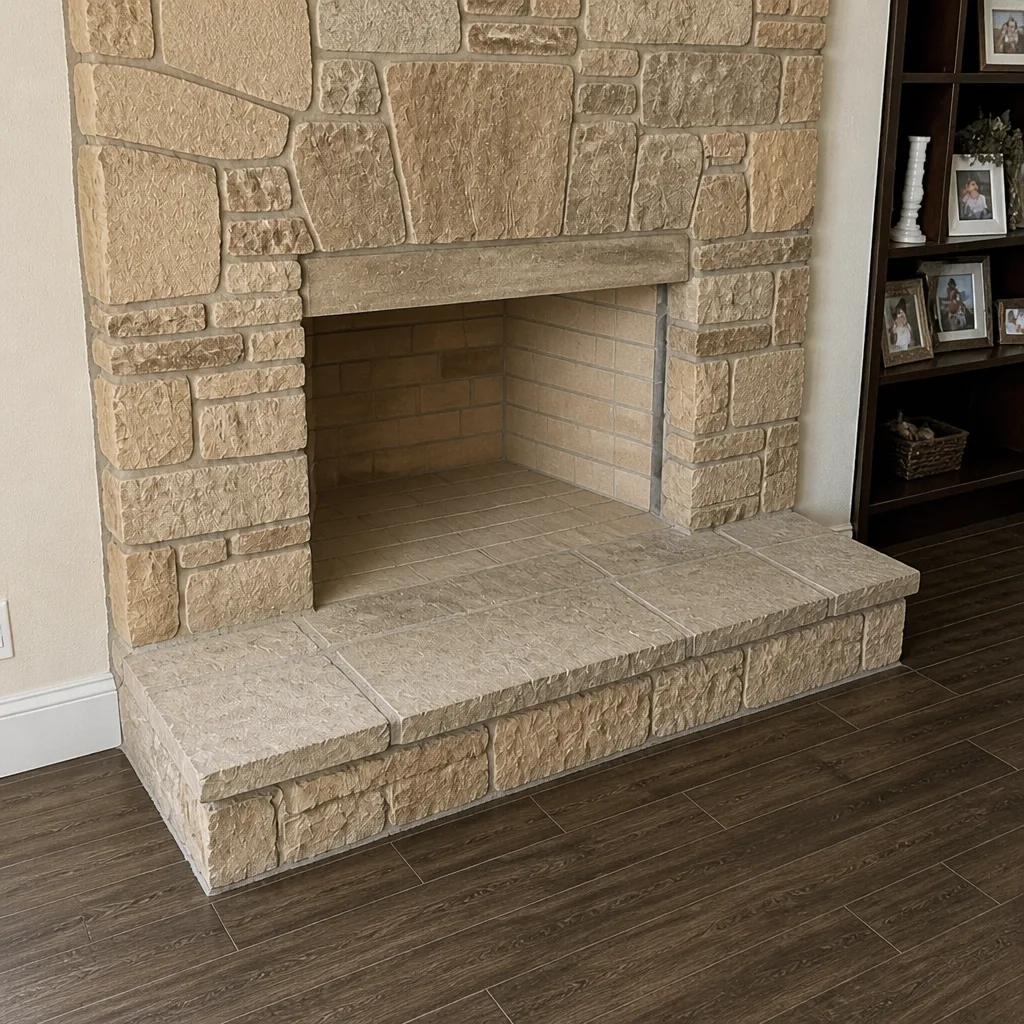
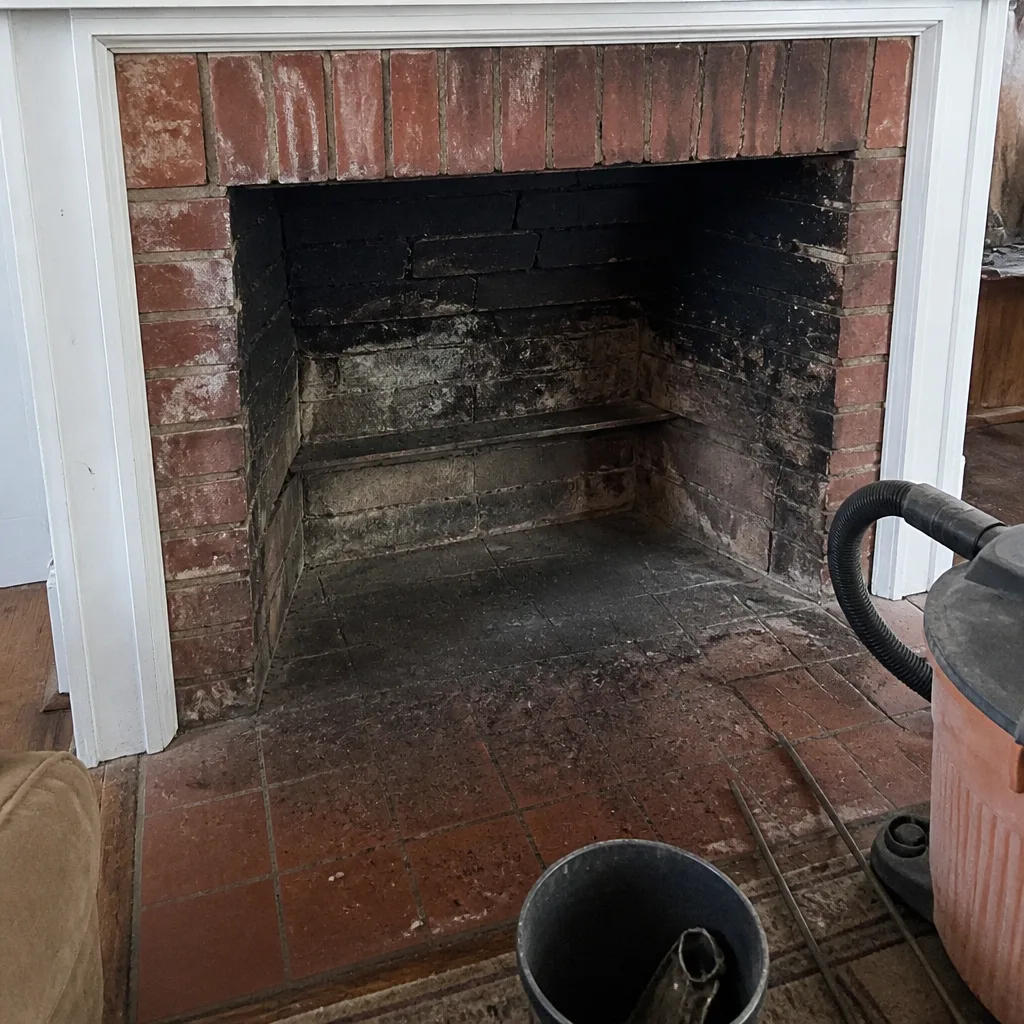
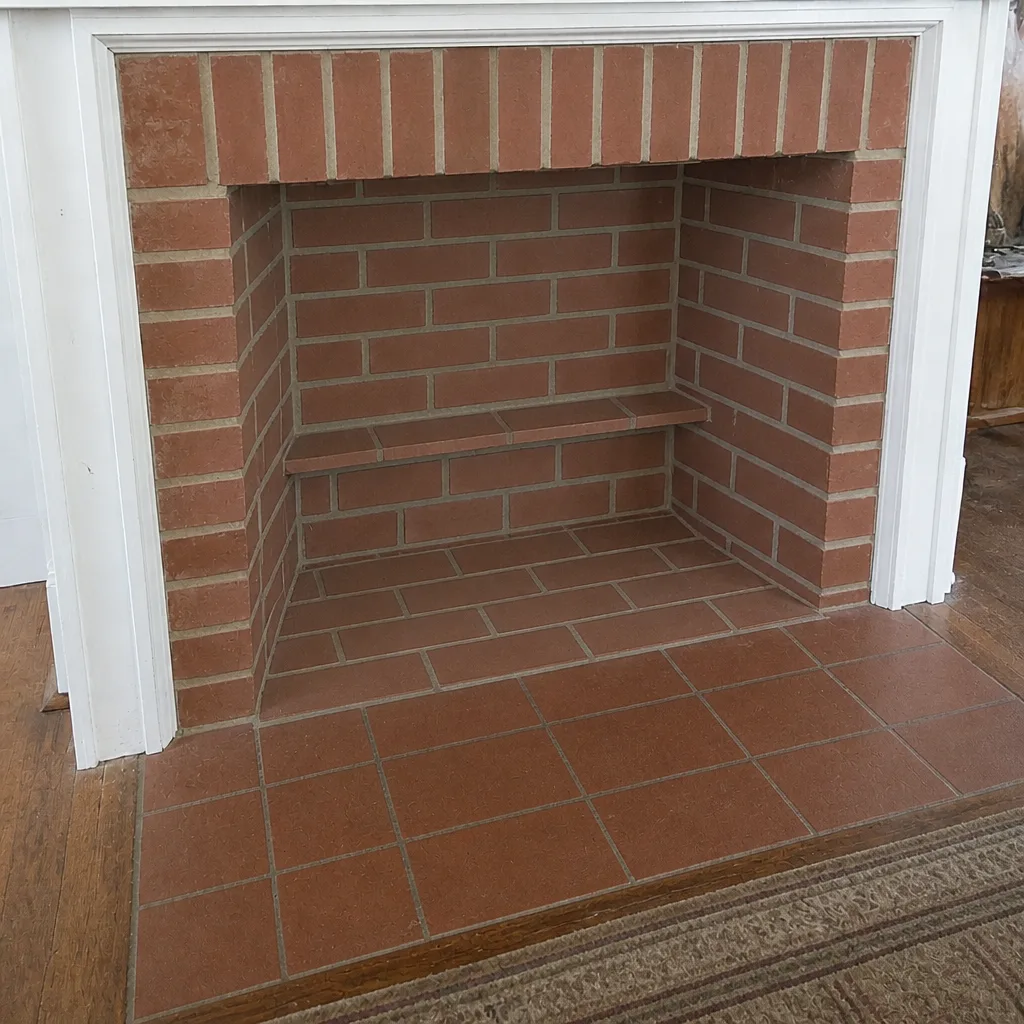
See the difference
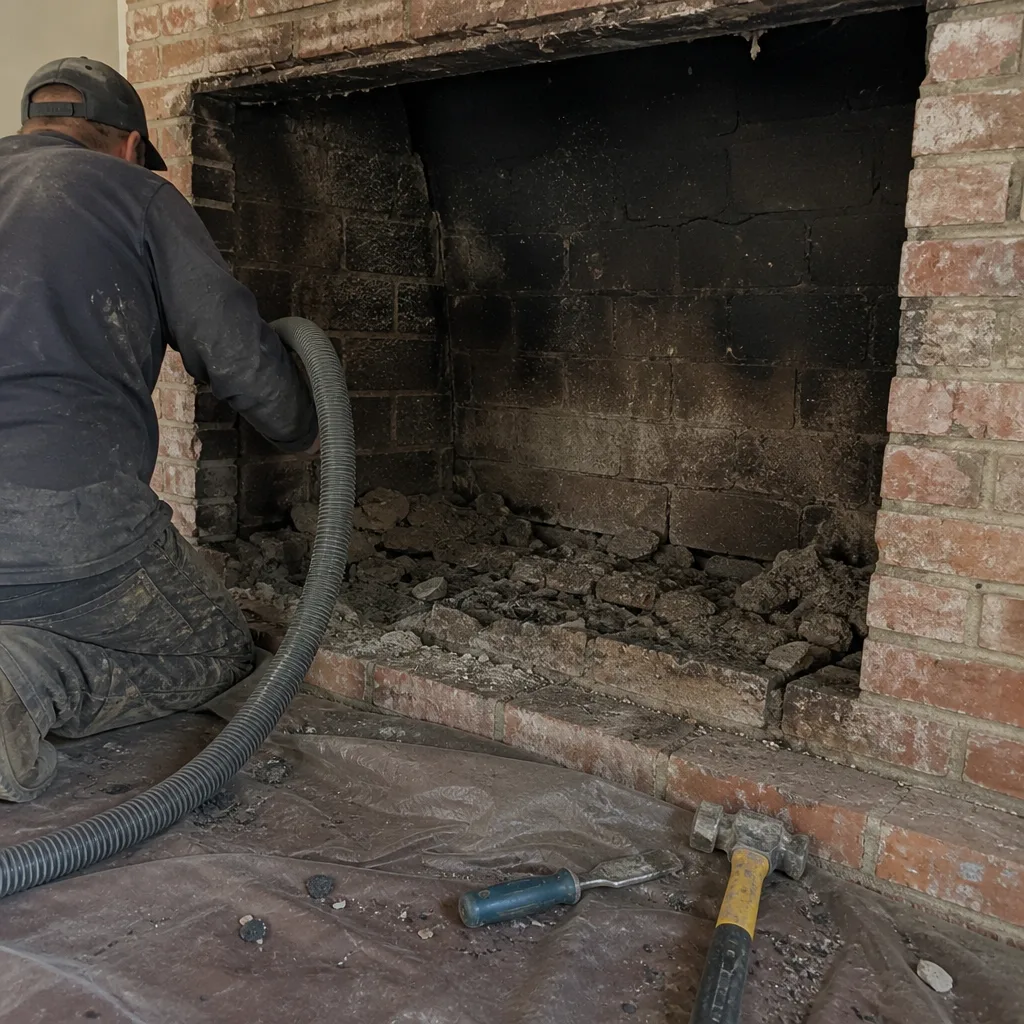 Before
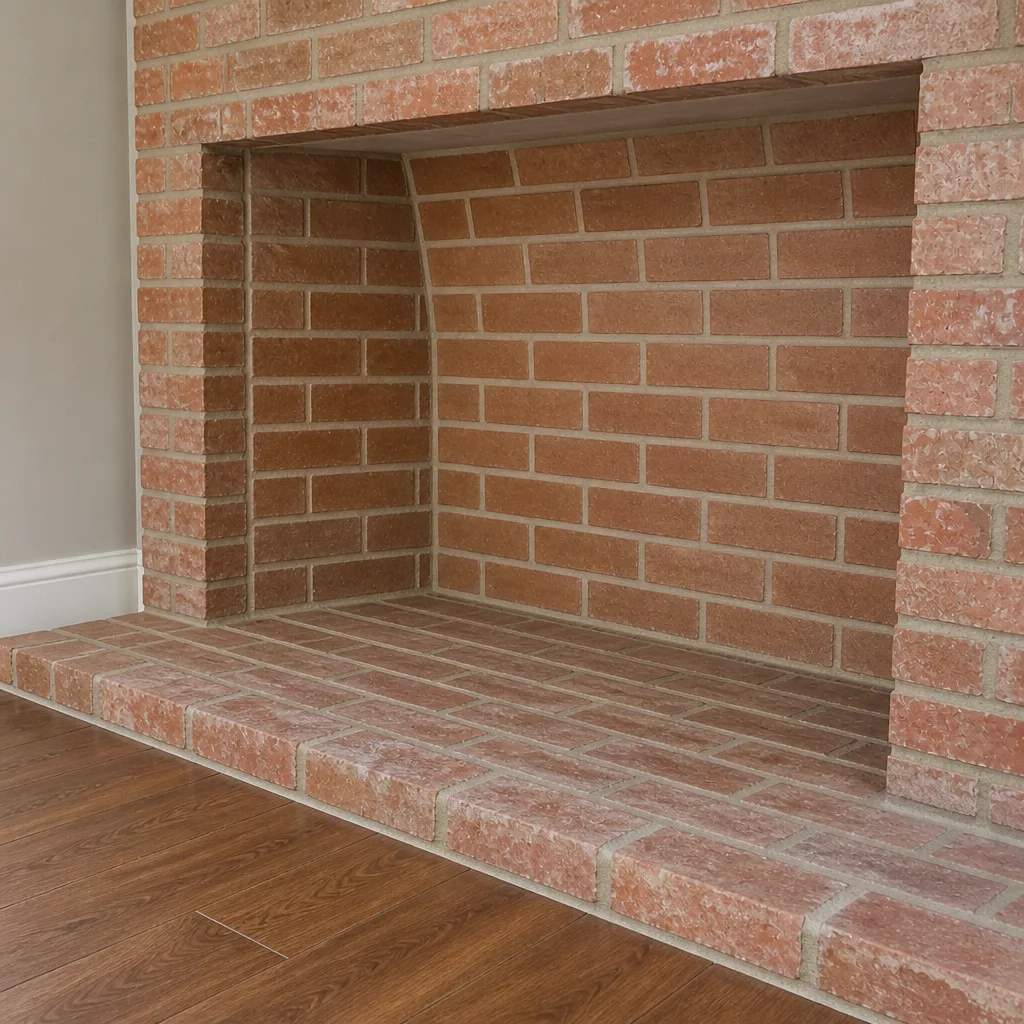 After
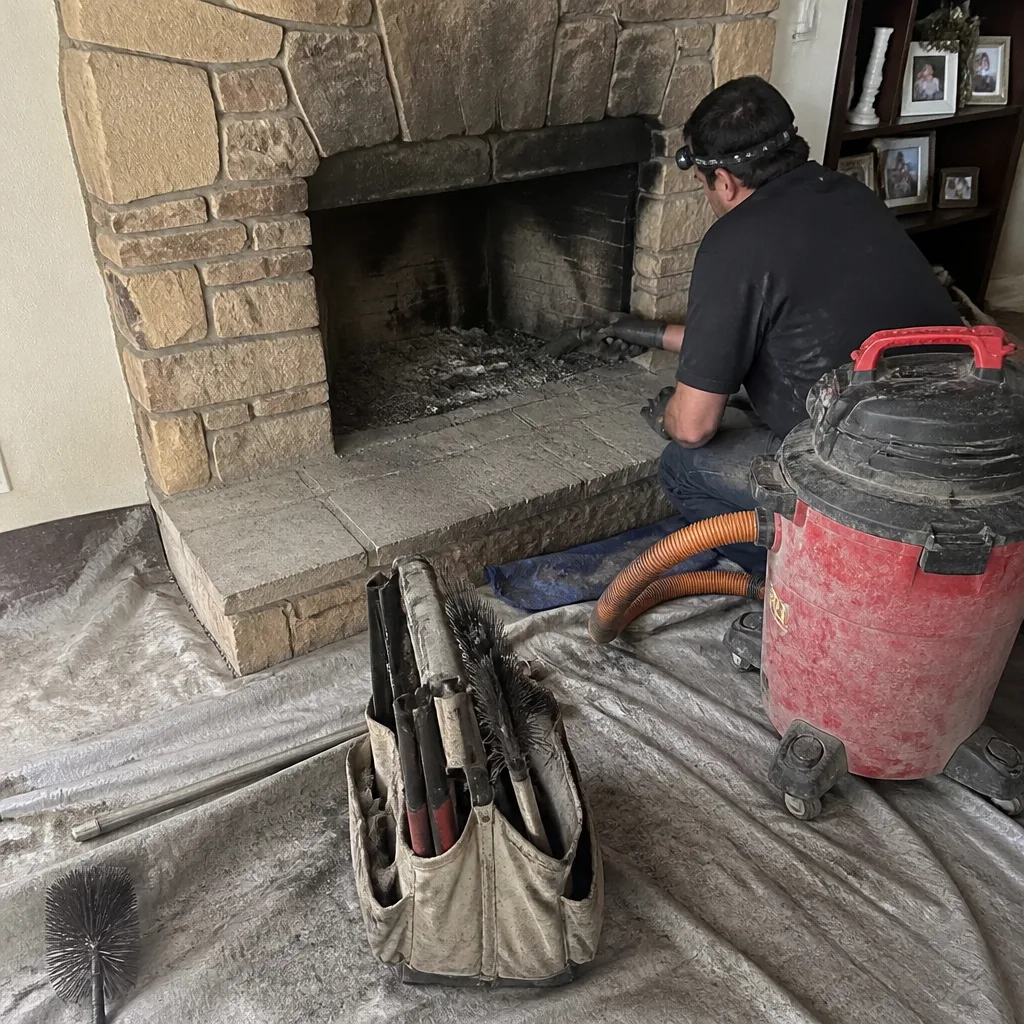 Before
 After
 Before
 After
When to Call a Professional
Some situations clearly call for a trained technician rather than a generalist. If you smell smoke backing into the room when the fire is lit, that’s a draft or obstruction problem and worth diagnosing before the next burn. If you can see cracked or missing mortar inside the firebox, or spalling brick on the exterior of the chimney, structural work is in scope and the CSLB license check applies. If the fire department has ever responded to a chimney fire at your address, a Level 2 inspection with a video scan is the right next step. If you’re buying a home in Woodbridge with a fireplace, get the Level 2 before closing. And if it’s simply been more than a year since the last sweep, that’s the easy one: book the annual service and let the inspection tell you whether anything else is on the list.
Chimney Sweep Woodbridge offers free estimates in Woodbridge. Call (833) 513-8683. We answer 24/7. Fast dispatch from 7am to 7pm, Sunday through Friday. The estimate is free, the price is set per job by the written quote, and the local pro we connect you with is licensed and insured as their state requires.
Frequently Asked Questions
A routine chimney sweep in the Woodbridge area typically ranges from $150 to $300 depending on the flue, the level of inspection included, and whether a video scan is part of the service. The written estimate sets the final price, and any quote that doesn’t itemize sweep, inspection level, liner check, and cap inspection is worth questioning. Call (833) 513-8683 for an exact quote; estimates are free.
Not always, and you shouldn’t accept that recommendation without photographic evidence from a camera scan of the flue. A compromised flue tile can sometimes be resurfaced with a product like HeatShield rather than fully relined with a DuraFlex system, and the right answer depends on what the camera shows. Ask to see the frame that drives the recommendation before you approve any relining work. Call (833) 513-8683 to book an inspection with a photo report.
Once a year is the standard for most Woodbridge homeowners with an active wood-burning fireplace, and the mild winter actually supports that schedule rather than undermining it. Because fireplaces here often run occasionally rather than steadily, creosote deposits stay in forms that don’t burn off between seasons, so annual sweeping matters more, not less. Call (833) 513-8683 to book the annual service.
Creosote builds up in the flue and becomes easier to ignite, and the flue itself can develop cracks or gaps that aren’t visible without a camera scan. The result is a fire risk that grows quietly, and a carbon monoxide path that can open into the home if the flue is compromised. Neither of those has to be dramatic to be serious; the photo report from an annual sweep is the way to catch them early. Call (833) 513-8683 for an exact quote; estimates are free.
Yes. Every CSIA Certified Chimney Sweep has a certification number that can be looked up in the CSIA’s public directory. Ask the company for the number, look it up yourself, and confirm the name matches the person who will actually be on site. This one check separates a trained specialist from a handyman with a broom.
For routine sweeping and Level 1 inspections, a contractor license is typically not required in California. For structural repairs, liner replacement, or masonry rebuilds, the work calls for an active CSLB license, and you should verify the number on the CSLB website before any work begins. Ask for the license number up front if structural work is on the quote.
The Bottom Line
Hiring a chimney contractor in Woodbridge comes down to three checks: verify the CSIA certification number, ask whether chimneys are the company’s only trade, and require a photo report before you approve any repair. Add a CSLB license check if structural work is in scope, and itemize the quote so sweep, inspection level, liner check, and cap work are each visible. The materials behind a recommendation matter as much as the recommendation itself, and a specialist who applies HeatShield or installs a DuraFlex liner is doing a different job than a generalist with a hardware-store brush. One relationship, one written estimate, one set of photographs: that’s the standard to hold every quote to.
Chimney Sweep Woodbridge offers the full scope in one place, from routine sweep to inspection to cap and crown work to liner repair. Call (833) 513-8683 for a free estimate. We answer 24/7. Fast dispatch from 7am to 7pm, Sunday through Friday.
Written by the team at Chimney Sweep Woodbridge.