
Last updated November 25, 2026
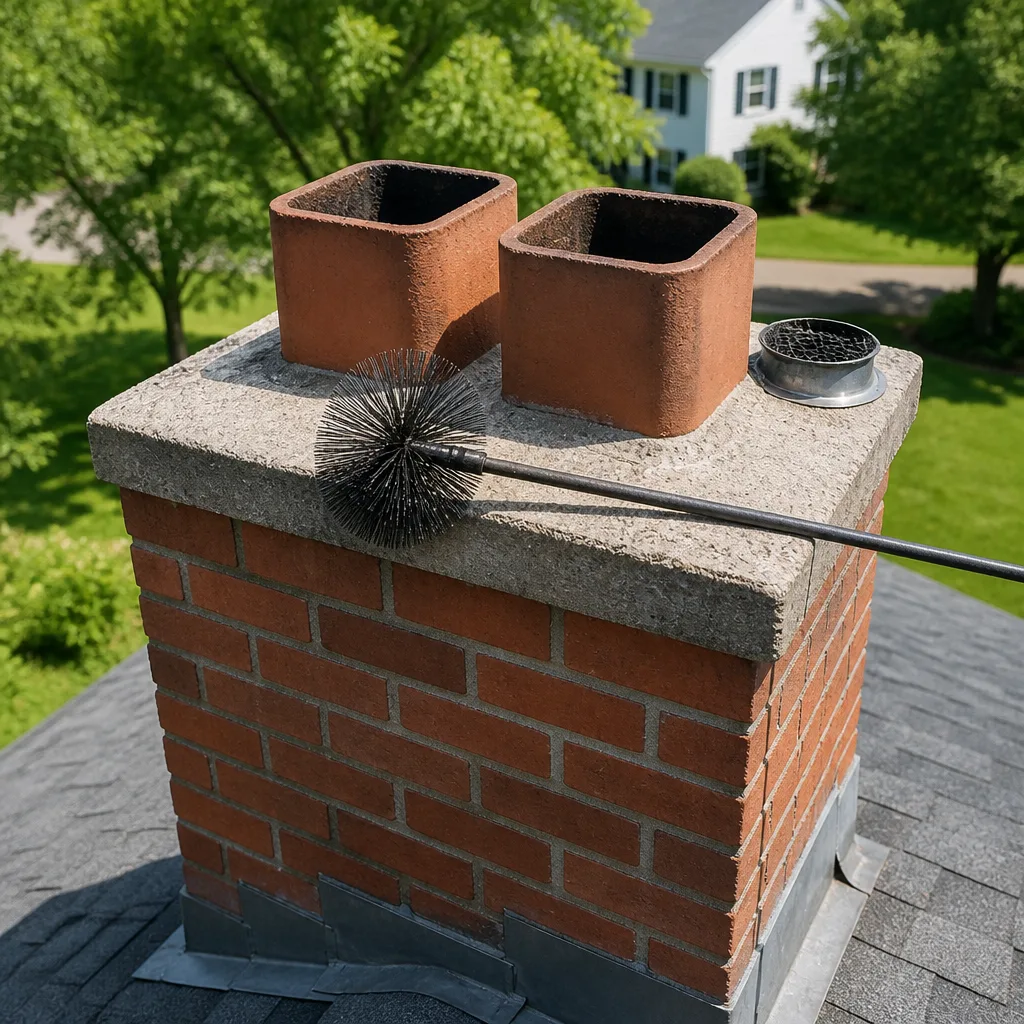 Sweep & inspection
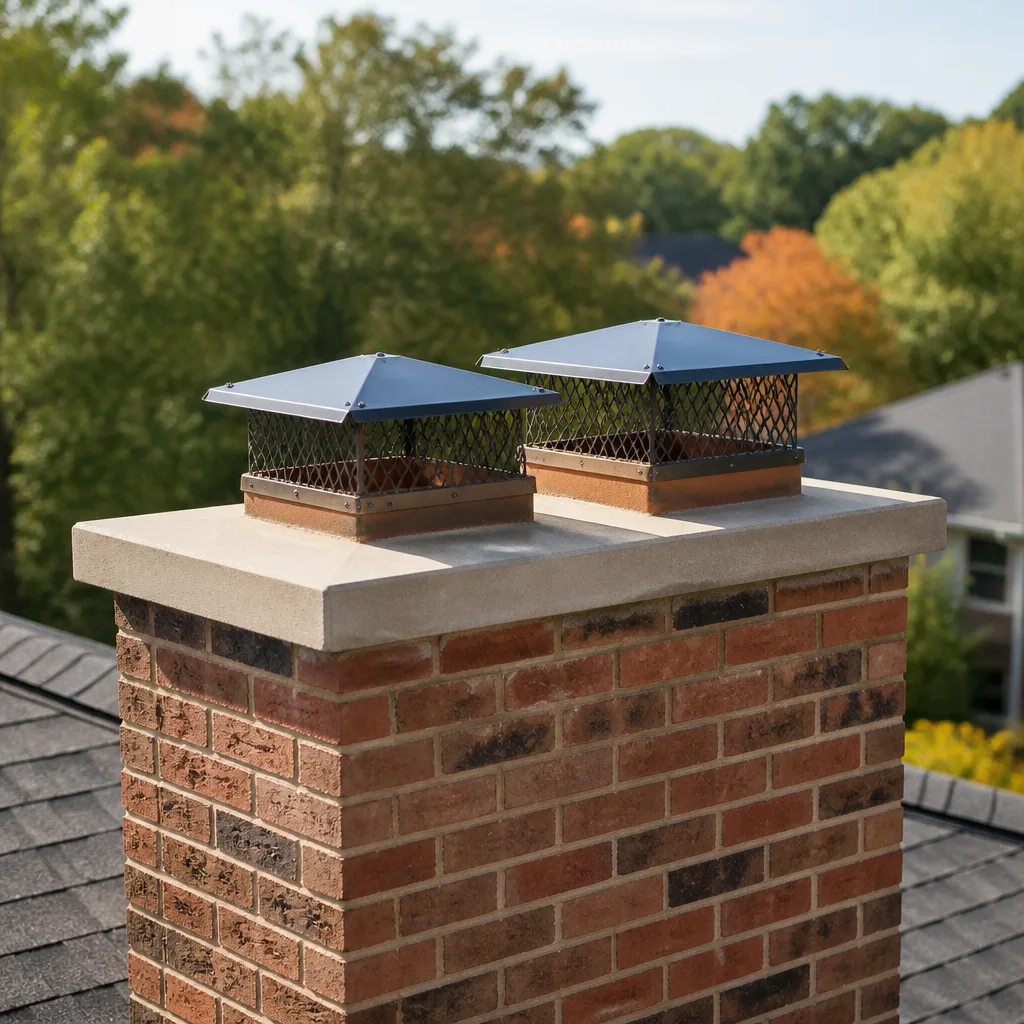 Caps & crowns
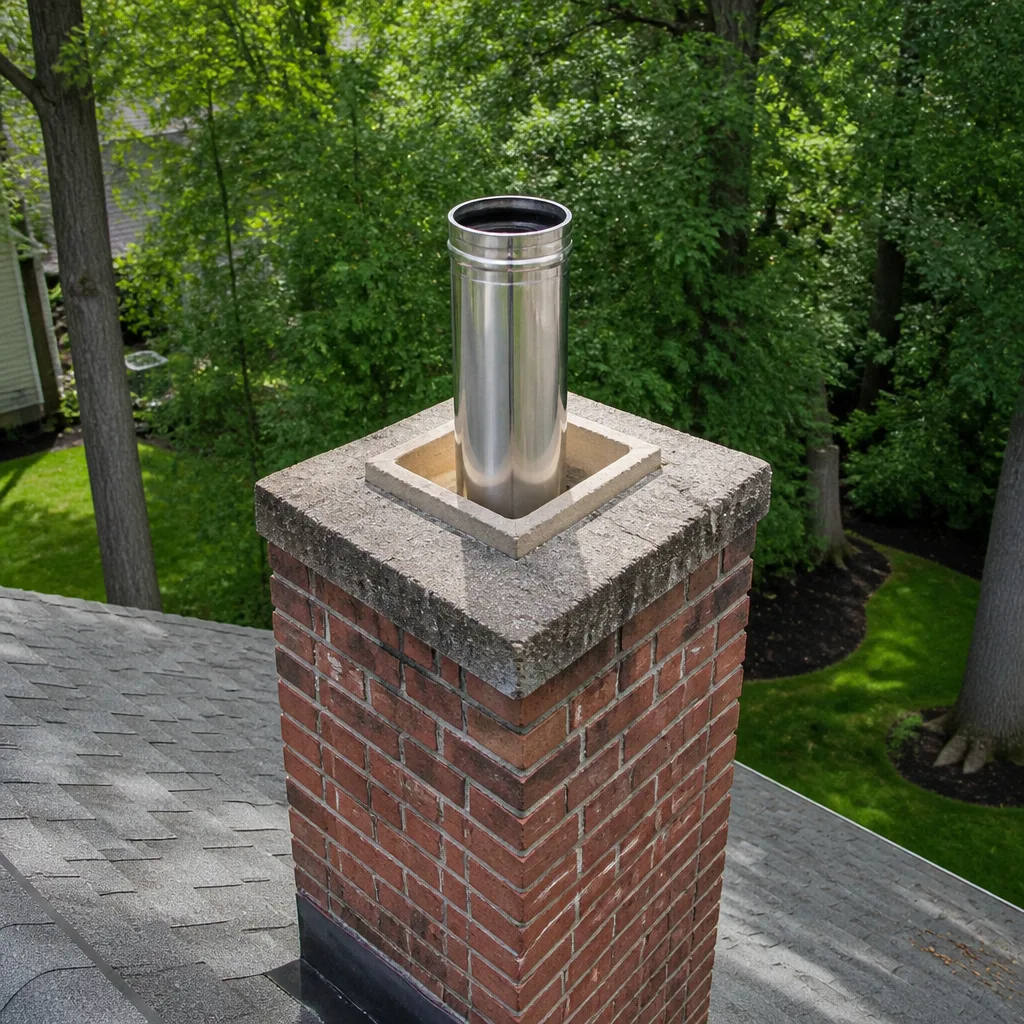 Flue relining
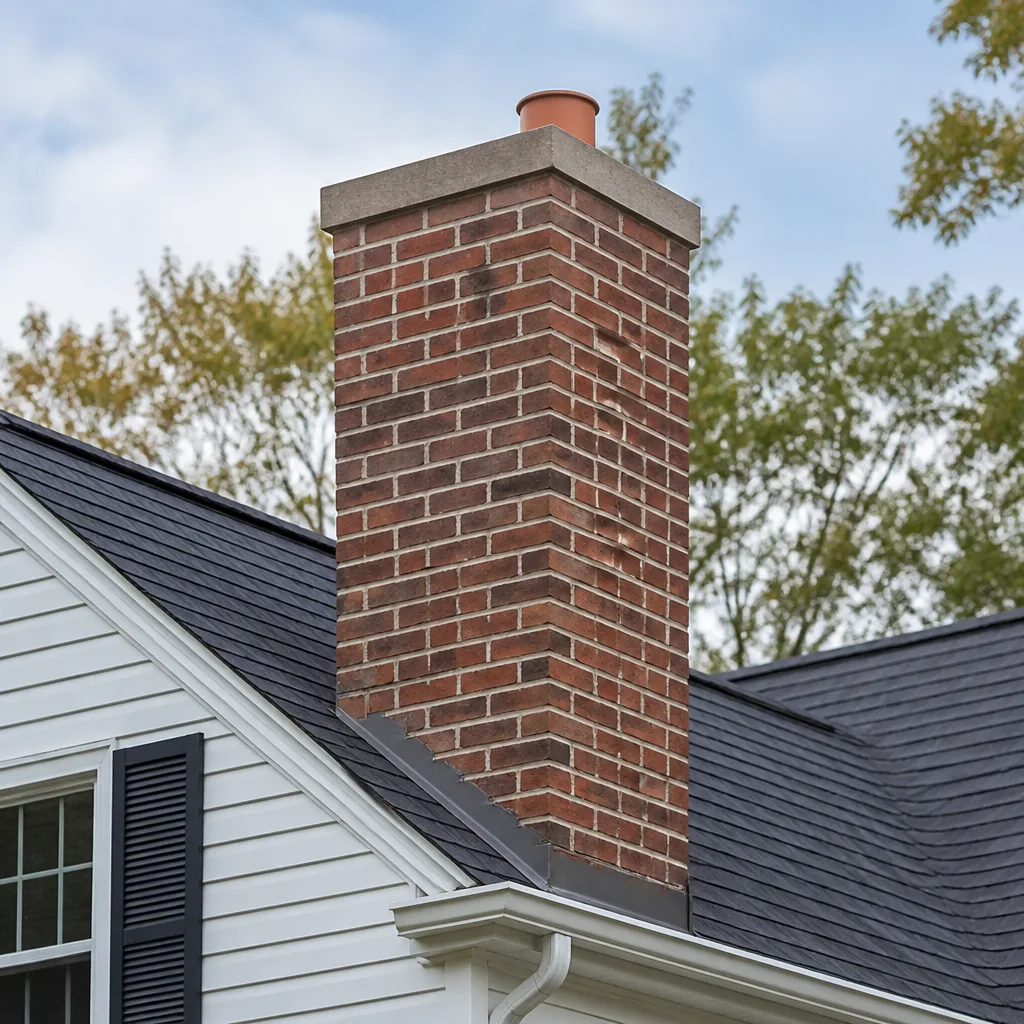 Masonry repair
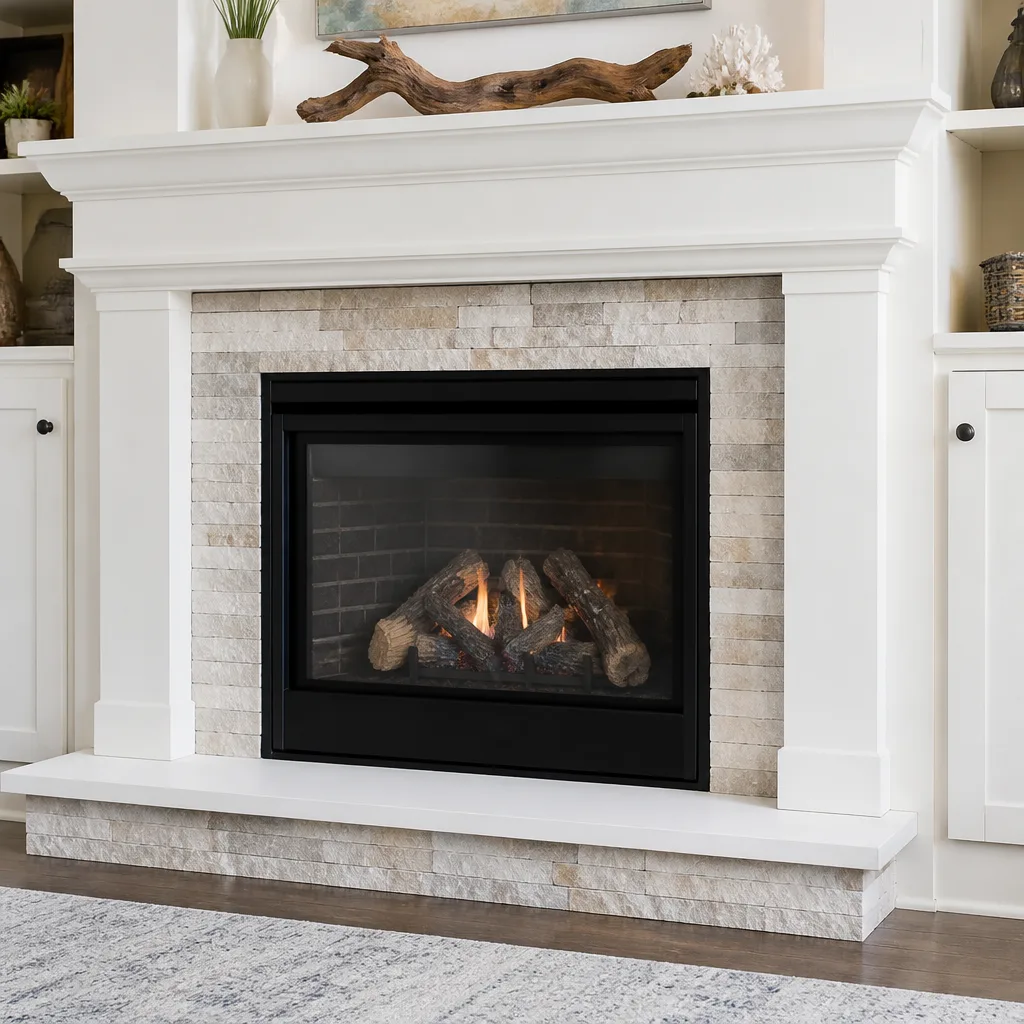 Gas fireplace service
Level 1 sweep and inspection to the NFPA 211 annual standard - flue, crown, cap, and flashing checked and photographed
Chimney sweep logs do not sweep chimneys. They loosen some creosote - which then falls where a brush and vacuum still have to collect it.
The Complete Guide to Chimney Cleaning in Woodbridge
Most Woodbridge homeowners have never been told what their sweep actually found. They get a receipt, a vague “looks good,” and a chimney they still don’t understand. That opacity is where problems begin. Your chimney isn’t a single object you clean like a gutter. It’s a system of interdependent parts: the firebox, the smoke chamber, the flue, the liner, the cap, and the crown. Each one affects the others, and each one interacts with how you burn, what your home is built from, and what’s in the air and the trees around Woodbridge. This guide explains how that system works, how often each part needs attention, and what a thorough cleaning should actually deliver.
Quick Answer
Chimney cleaning in Woodbridge typically means a Level 1 inspection plus a sweep: we look at the accessible parts of the flue, firebox, damper, and cap, then remove soot and creosote with the method that matches your liner type. Most wood-burning fireplaces used regularly need a sweep once a year, and if you’ve burned more than a cord of wood or notice buildup, it’s time. The goal isn’t just a clean flue. It’s a written record of what your system looks like and what, if anything, needs fixing.
Styles & brands we work with
- Sweep & inspection
- Caps & crowns
- Flue relining
- Masonry repair
- Gas fireplace service
Table of Contents
- What chimney cleaning actually involves
- How often does a Woodbridge chimney need cleaning?
- How San Joaquin Valley burn restrictions shape creosote
- Level 1, Level 2, and Level 3 inspections
- What valley oak and sycamore debris does to your chimney
- Liner types, home eras, and the right cleaning method
- How to read a written inspection report
- What chimney cleaning costs in Woodbridge
What chimney cleaning actually involves
A proper chimney sweep is a sequence of steps, not a single pass with a brush. In Woodbridge we work through the same order every time, because skipping a step means cleaning something you haven’t inspected or inspecting something you haven’t cleaned.
- Set up containment. Drop cloths and a running vacuum at the firebox keep soot out of your living room. If your sweep arrives without floor protection and dust control, that tells you something.
- Inspect what’s accessible. Firebox, damper, smoke chamber, flue, cap, and crown all get a look before any brushing starts. Problems found early change how the cleaning is done.
- Remove creosote and soot. The tool depends on the liner. Clay tile flues take one approach; a stainless DuraFlex liner takes another. Stiff poly brushes on a fragile clay flue can chip glaze and tile edges.
- Clear the smoke chamber and shelf. This is the sloped area above the damper. It collects creosote that a flue-only brush never reaches, and it’s where a lot of smoldering starts.
- Check the cap and crown. Debris on the cap screen, a cracked crown, or a loose cap all get noted. Cleaning a flue you then leave open to the weather is half a job.
- Document it. Photos and a written report of what was found, what was cleaned, and what needs attention.
Sweeping is the entry point into the whole system. If the inspection turns up damaged firebox masonry or a failing damper, that moves into fireplace repair territory, and it’s better to know during a sweep than mid-winter.
How often does a Woodbridge chimney need cleaning?
For most Woodbridge homes with a regularly used wood fireplace, once a year is the baseline. The industry rule of thumb is to sweep when creosote reaches about 1/8 inch of buildup, or once a year, whichever comes first. Those two triggers rarely line up neatly, so treat the annual sweep as the floor, not the ceiling.
Several things push you toward more frequent cleaning here:
- Burn volume. A household burning more than a cord of wood a season, or burning often on cool winter evenings, builds creosote faster than an occasional-use fireplace.
- Wood quality. Unseasoned or green wood burns cooler and smokes more, which lays down creosote quicker. Dry, split, seasoned wood is the single biggest lever you control.
- Draft and flue size. A flue that’s oversized for the firebox, or a house with tight modern construction pulling weak draft, will smoke more and deposit more.
- Gas inserts and gas logs. These don’t build creosote the way wood does, but they still need an annual inspection. Birds, debris, and venting problems don’t care what you burn.
- Older masonry chimneys. A flue with spalling or deteriorated mortar joints catches and holds creosote differently than a smooth liner.
One practical marker: if you can’t remember the last time your chimney was swept, it’s overdue. That’s not a scare tactic, it’s just how these schedules quietly get lost.
How San Joaquin Valley burn restrictions shape creosote
This is where Woodbridge differs from a lot of the country, and it’s the part most cleaning guides skip. The San Joaquin Valley has serious air quality challenges, and burn restrictions are a real part of winter life here. When “no burn” days arrive, wood burning pauses. When burning resumes, homeowners often come back to a cold, sometimes damp chimney and a firebox that’s sat idle.
Why this matters for creosote: an intermittent burn pattern changes how creosote forms. Long idle stretches let any residual soot and moisture sit and settle. Then a cold-start fire in a cold flue smokes heavily until it warms up, and that smoky early burn is the dirtiest part of any fire. In regions without restrictions, a steady burn habit can sometimes stay ahead of heavy deposits. In Woodbridge, the burn-on, burn-off rhythm means the first fires of a cold snap do a lot of the depositing.
What follows from that:
- Pay attention to how your chimney behaves on the first fire after a pause. Heavy smoke at startup is a signal to check buildup.
- Warm the flue before a full fire when you can. A quick small, hot fire reduces the smoking phase.
- Don’t let a seasonal pause turn into a two-year gap in sweeping. Restrictions reduce your burn days, not your need to inspect.
We’re not the air district and we don’t set the rules. We’re telling you that the local burn pattern has a real effect on how fast your flue loads up, and that’s worth factoring into your schedule.
Level 1, Level 2, and Level 3 inspections
The three inspection levels describe how deeply the chimney is examined, and picking the right one depends on why you’re calling. A routine sweep calls for one level. Buying a house calls for another. Here’s the difference.
- Level 1. Covers the readily accessible parts of the chimney and venting: firebox, damper, accessible flue, cap, and crown. This is the standard annual inspection and it pairs naturally with a routine sweep. It doesn’t require special tools and it assumes nothing has changed in how the system is used.
- Level 2. Goes further. It includes everything in a Level 1 plus examination of accessible areas of the attic, crawlspace, and other parts of the chimney structure, often with a camera to view the flue interior. A Level 2 is what you want after a home purchase, after an appliance change, after a chimney fire, or after an earthquake or other event that might have shifted masonry. If you’ve never had one on your home, a sale isn’t the only reason to get one.
- Level 3. Is a diagnostic, not a routine inspection. It’s used when specific parts of the chimney have to be accessed to find a problem, which can mean removing parts of the structure. Level 3 happens when a Level 1 or Level 2 turned up something that can’t be confirmed otherwise.
For a routine-use home in Woodbridge, a Level 1 with a sweep is the normal annual call. For a home you’ve just bought, or one you’ve inherited from a previous owner with no records, a Level 2 tells you what you actually own before you start using it. Getting the level right is the difference between a useful report and a receipt.
What valley oak and sycamore debris does to your chimney
Woodbridge has a canopy. Valley oak and sycamore are part of what makes this area feel established, and they’re also part of what lands on your chimney. This isn’t a minor detail. Debris loading changes what a sweep needs to deal with before it ever gets to soot and creosote.
What actually happens:
- Cap screens clog. Leaves, seed pods, twigs, and fine debris collect on top of the cap screen and block the escape path for smoke. A clogged screen can turn a clean-burning fireplace into a smoky one overnight.
- Chase covers trap material. Homes with a chase enclosure rather than a full masonry chimney can collect leaves and debris in the chase and around the cap, which then works its way down or sits and holds moisture against metal.
- Smoke chambers collect litter. Twigs and broken pieces of leaf litter can drop past a cap with a damaged screen and settle in the smoke chamber or on the damper shelf, where they sit until someone opens the fireplace and finds them.
- Birds and their nesting material. An open flue is an invitation. Nesting material is flammable and it blocks draft.
The fix isn’t complicated, but it needs a proper cap. A correctly sized cap with a screen from a maker like Gelco or Olympia Chimney keeps most of this out. If your cap is missing, bent, or has a torn screen, the trees will find the gap. The chimney cap and crown is the first line of protection against debris and water, and it’s cheap insurance compared to what debris causes.
Liner types, home eras, and the right cleaning method
Not every flue should be cleaned the same way. The liner material and the era of the home determine the method, and getting this wrong can damage a flue that was fine before the brush went in.
- Clay tile liners in older homes. Many older Woodbridge homes have clay tile flues. Clay is durable but brittle. A stiff brush can chip the glaze or crack a tile, especially if the mortar joints have already deteriorated. These flues take a gentler approach, and any cracked or missing tile gets documented, because a damaged clay liner allows heat and combustion byproducts into the chimney structure.
- Stainless steel liners in newer builds. Newer homes and many older homes that have been relined use a stainless system. A flexible stainless liner like DuraFlex handles brushing well, but the liner needs to be checked for seams, connections at the top and bottom, and any damage that could let creosote behind it. Cleaning is more routine here, but the inspection still matters.
- Deteriorated or spalled liner surfaces. When a clay flue has a rough, spalled interior, sweeping is only part of the answer. That’s where HeatShield comes in: a resurfacing product applied to compromised flue tiles to restore a smooth, functional surface. It’s a specialized repair most basic sweep companies can’t do, and it’s a better answer than tearing out and replacing a flue that can be restored.
- Unlined flues. Some older chimneys have no liner at all. These need a full assessment before regular use, and a relining with a stainless system is usually the answer.
Knowing what’s in your flue before anyone brushes it is why the inspection comes first. Cleaning a liner you haven’t identified is a gamble.
How to read a written inspection report
A written report after a sweep is the whole point of having the work done by a specialist. If all you get is a receipt, you’ve been sold a cleaning and not an inspection. Here’s what a genuine report should itemize.
- What was inspected and at what level. The report should state whether it was a Level 1, 2, or 3, and which parts were actually looked at.
- Condition of the firebox and damper. Masonry cracks, damaged damper, or a firebox that needs repair should be named, not glossed over.
- Flue condition and liner type. Whether the liner is clay tile or stainless, its condition, and any cracks, gaps, or deterioration found, ideally with photos.
- Creosote level and degree. How much buildup was found and how heavily. This tells you where your burn habits are landing.
- Smoke chamber and cap condition. Debris found, cap screen integrity, crown cracks, and any water-intrusion evidence.
- Recommendations, and what can wait. What needs attention now versus what can safely be scheduled for later. A good report distinguishes between the two instead of presenting everything as urgent.
- Photos of anything flagged. This is the part that matters most for trust. You should be able to look at evidence, not take a stranger’s word for it.
If you can’t tell from the report what was found and what it means, ask. The report should make sense to you, not just to the person who wrote it. That’s the standard we work to.
What chimney cleaning costs in Woodbridge
Chimney cleaning in Woodbridge is usually priced as a sweep plus inspection, with any repair work estimated separately. A standard sweep and Level 1 inspection is generally the least expensive part of chimney ownership, and it’s the least expensive because it prevents the larger bills. We don’t quote a figure over the phone; the written estimate after the inspection is what sets the price, and it’s free.
- Routine sweep and Level 1 inspection: the standard annual service, priced per job by written estimate.
- Level 2 inspection (camera, attic, crawlspace): priced separately because it takes longer and covers more of the system.
- Cap and crown installation or replacement: quoted per job, based on what your chimney top needs.
- Liner repair or relining (DuraFlex): estimated after the flue is inspected and the liner condition is known.
- Flue resurfacing (HeatShield): estimated per job after the tile condition is assessed.
The one thing we’d flag: be wary of a price quoted firm before anyone has looked. A chimney that turns out to need nothing is one thing, but a quote given blind has no relationship to what’s actually in your flue. Call (833) 513-8683 for a free estimate, and the written number will match what the inspection found.
Common Mistakes to Avoid
- Treating a receipt as an inspection. If your sweep hands you a paid receipt and nothing else, you don’t know what was found or whether anything changed since last year. Ask for the written report and photos.
- Brushing a clay tile flue too aggressively. Stiff brushes on a brittle clay liner can chip and crack it. The method has to match the liner, and a sweep who doesn’t check first is guessing.
- Ignoring a clogged cap screen. Leaves and seed pods from the valley oaks and sycamores will block a screen over time, and a blocked screen turns a safe fireplace smoky. Clear it or have it checked.
- Burning unseasoned wood to stretch a woodpile. It burns cool and smokes more, laying down creosote faster. Dry, seasoned wood is the cheapest chimney maintenance there is.
- Skipping a Level 2 after buying a home. A house you’ve just purchased comes with no service history. A Level 2 inspection tells you what you actually own before you start burning.
- Assuming a gas insert needs nothing. It doesn’t build creosote like wood, but the flue still needs an annual inspection for debris, birds, and venting issues.
- Waiting for the first cold snap to book. Chimney work is seasonal, and the busiest stretch is before burning season. Booking in the off-season means a shorter wait and a chimney that’s ready when you are.
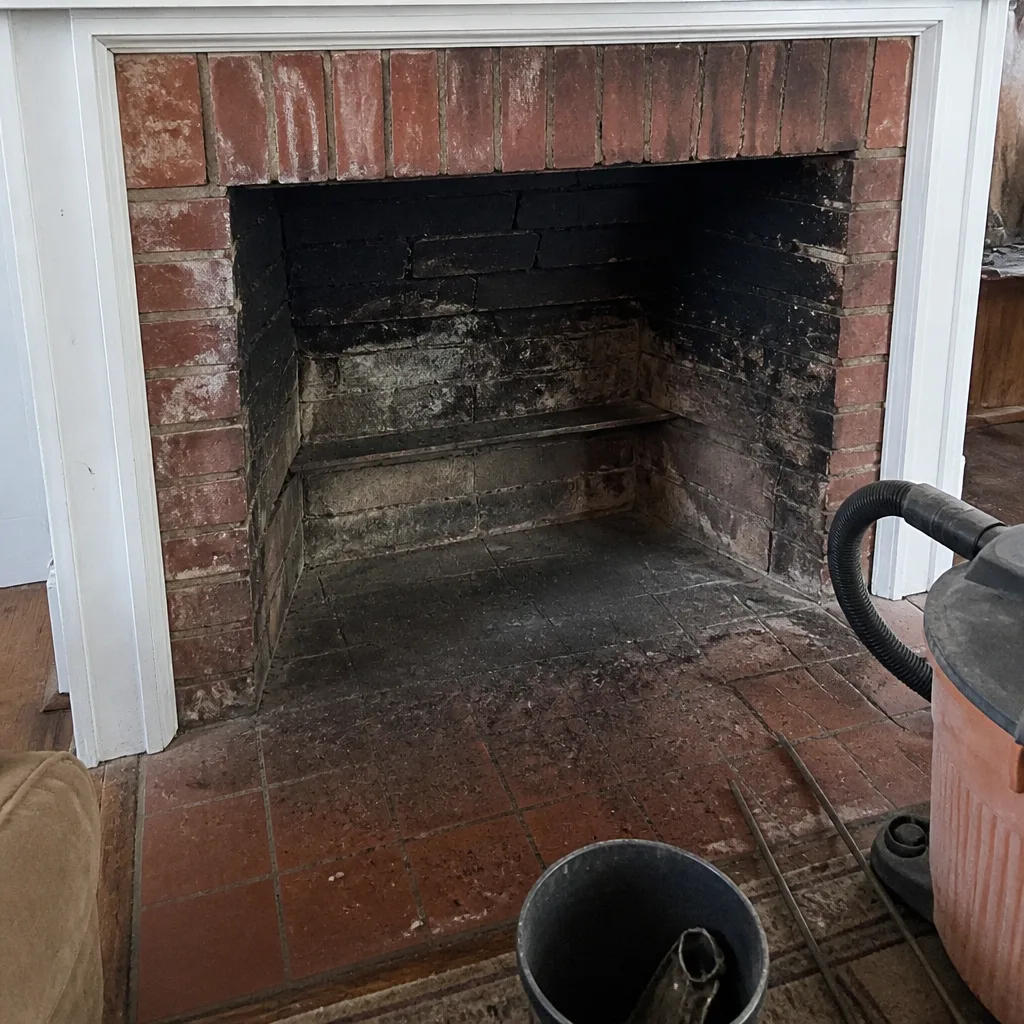
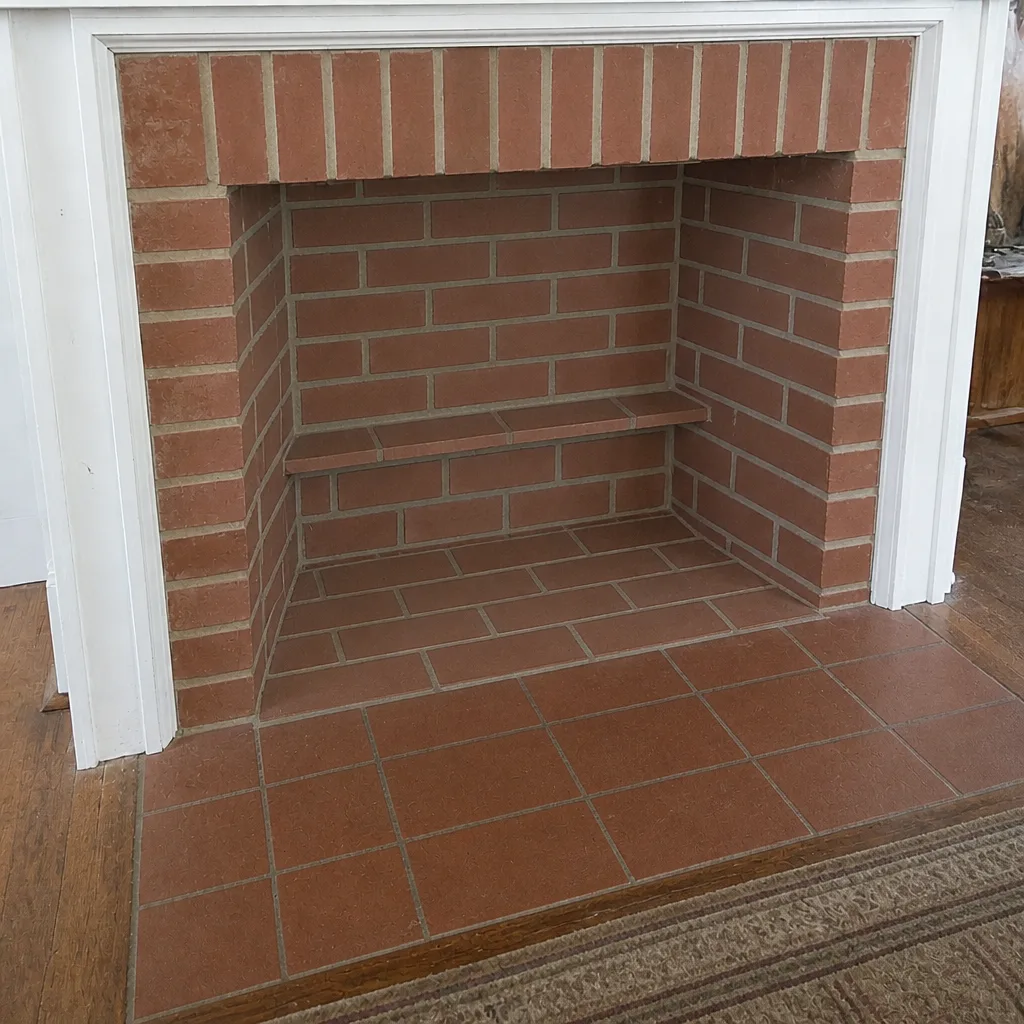
See the difference
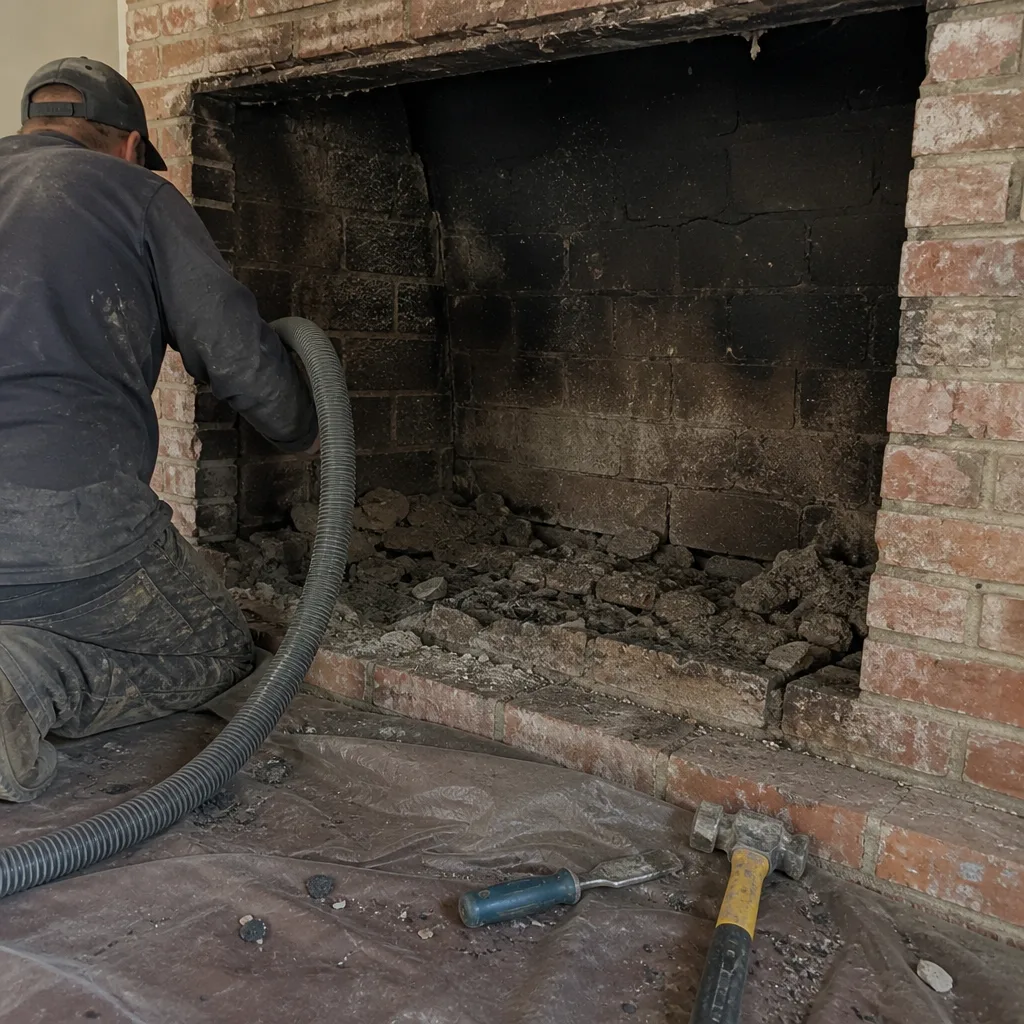 Before
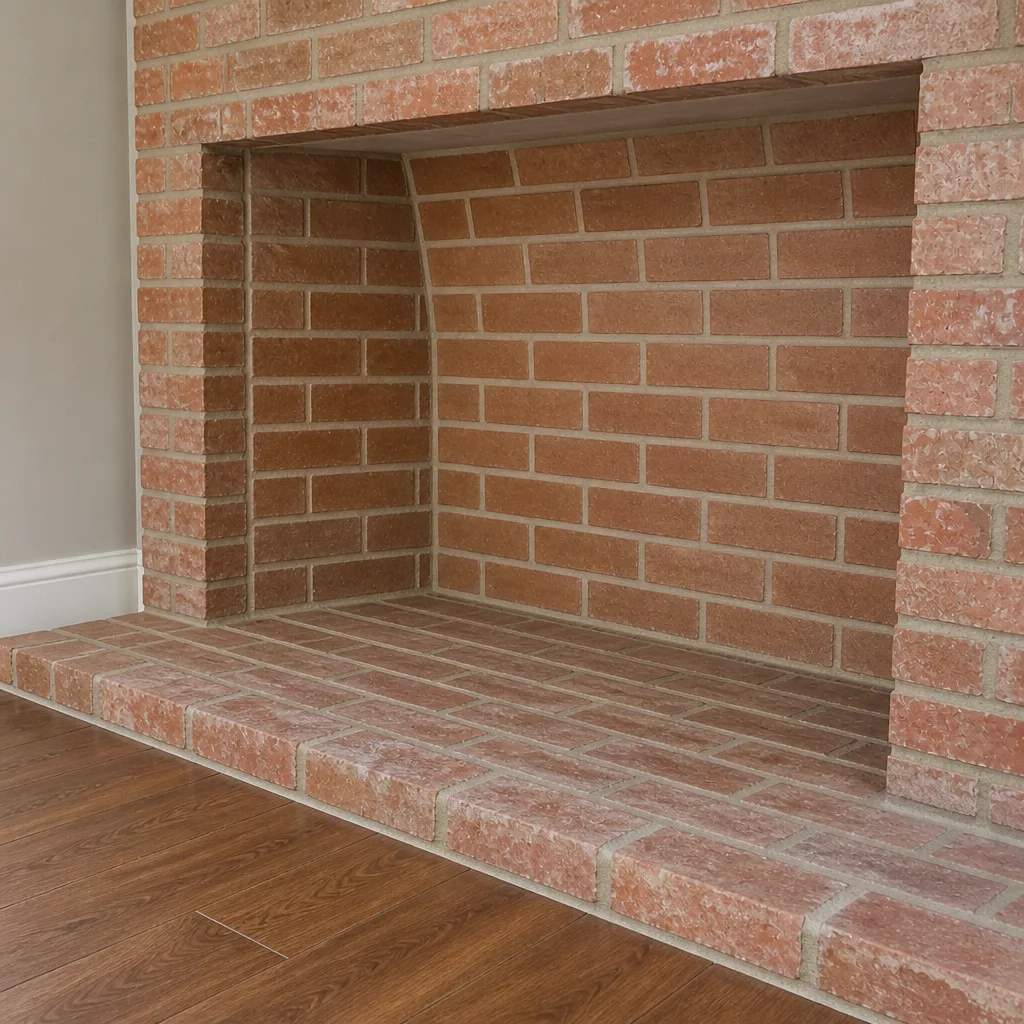 After
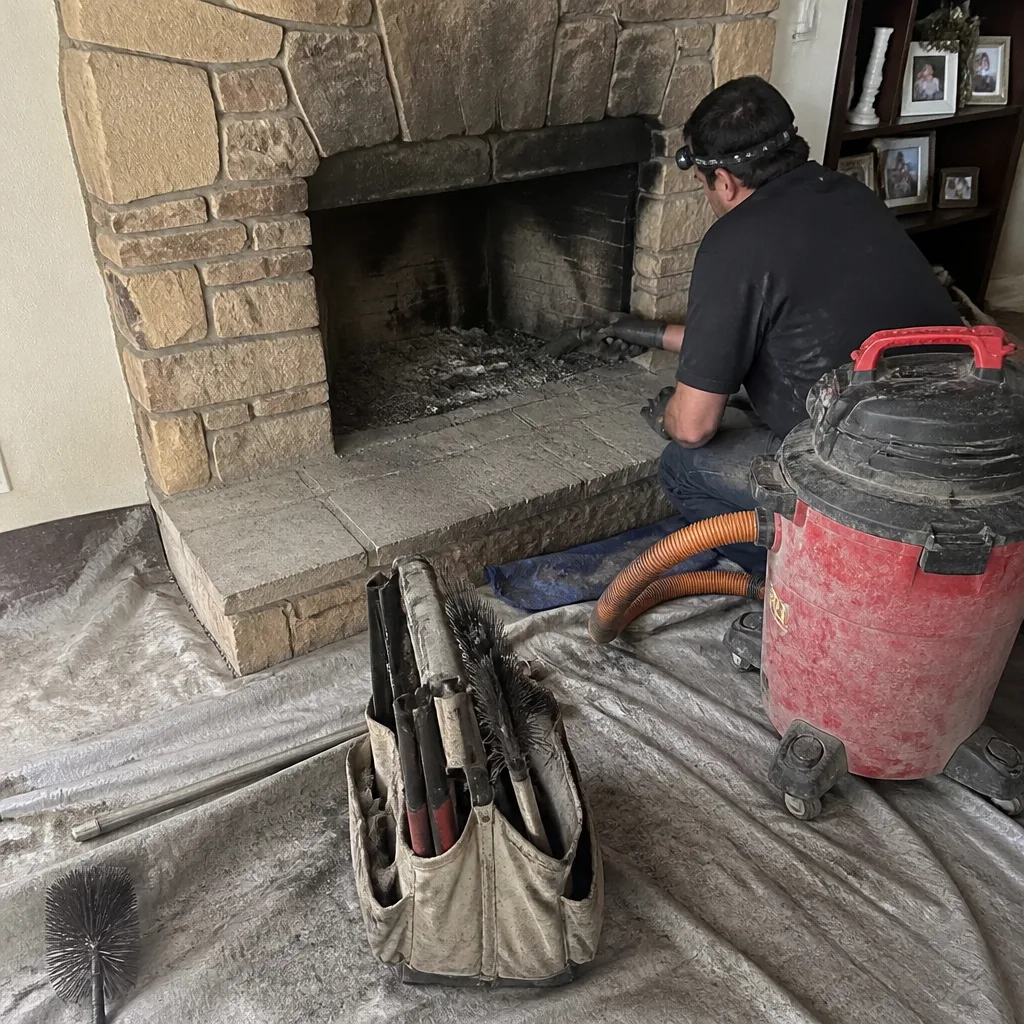 Before
 After
 Before
 After
When to Call a Professional
Some chimney work is a call, not a project. Call us when you can’t remember the last sweep, when you’re planning to use a fireplace you haven’t had inspected, when you notice spalling brick or a cracked crown, when the cap is damaged or missing, or when you’ve noticed poor draft, smoke rolling back into the room, or creosote buildup that’s visible. Call after a home purchase if there’s no service history, and call if a flue was used heavily and you’re unsure of its condition. Chimney Sweep Woodbridge offers free estimates in Woodbridge. Call (833) 513-8683. We answer 24/7, with fast dispatch from 7am to 7pm, Sunday through Friday. Our technicians have up to 11 years of experience, and the local pro is licensed and insured as their state requires.
Frequently Asked Questions
It depends on what the chimney needs, which is why we estimate per job after looking. A routine sweep with a Level 1 inspection is the least expensive part of chimney ownership, and repairs like relining or resurfacing are quoted separately once the flue condition is known. Call (833) 513-8683 for an exact quote. Estimates are free, and the written estimate sets the final price.
Not always, and we won’t tell you otherwise. A new liner is needed when the existing flue is unlined, when clay tiles are cracked or missing, or when the liner can no longer contain heat and combustion byproducts safely. Sometimes a compromised tile flue can be resurfaced with HeatShield instead of relined, and sometimes the answer is that your liner is fine. The recommendation follows the inspection, and you’ll see the photos before anything gets approved.
Once a year for a regularly used wood fireplace, or whenever creosote reaches about 1/8 inch of buildup, whichever comes first. Woodbridge’s burn-restriction pattern, where burning pauses and restarts through the winter, can push deposits faster than a steady burn habit, so don’t skip the annual inspection just because you burned fewer days. Call (833) 513-8683 to book a sweep and get a written report of what was found.
Creosote builds up and, at higher levels, becomes a fire risk inside the flue. Beyond the fire risk, skipping a sweep means skipping the inspection, so cracked tiles, a failing crown, or a clogged cap can go unnoticed for years. The point of the annual sweep is to catch small problems before they become structural. A sweep is cheaper than a reline, and a call now is cheaper than a repair later. Call (833) 513-8683.
They don’t build creosote the way wood does, but they still need an annual inspection. The flue can collect debris from the trees, birds can nest in it, and venting problems can develop. An annual inspection covers those, and it means you know the system is working before the season starts. Call (833) 513-8683 for an inspection estimate.
Often, yes. A sweep, inspection, and small repairs like cap or crown work can be handled together. Larger jobs like a full reline or flue resurfacing are estimated after the inspection and scheduled as their own job. Either way you’re dealing with one chimney-only specialist rather than coordinating a sweep, a mason, and a cap installer. Call (833) 513-8683 to book an assessment.
The Bottom Line
Chimney cleaning in Woodbridge isn’t one task. It’s a system: the firebox, smoke chamber, flue, liner, cap, and crown all affect each other, and the local burn pattern and tree canopy both shape how fast yours loads up. Get the inspection level right, match the cleaning method to your liner type, and insist on a written report with photos you can read and understand. That report is how you know what’s actually going on in your chimney, not just what someone told you at the door. Book before burning season, not after. Contact Chimney Sweep Woodbridge for a free estimate, and we’ll show you what we find.
Call (833) 513-8683 for a free estimate. We answer 24/7, with fast dispatch from 7am to 7pm, Sunday through Friday.
Written by the team at Chimney Sweep Woodbridge.