
Last updated November 25, 2026
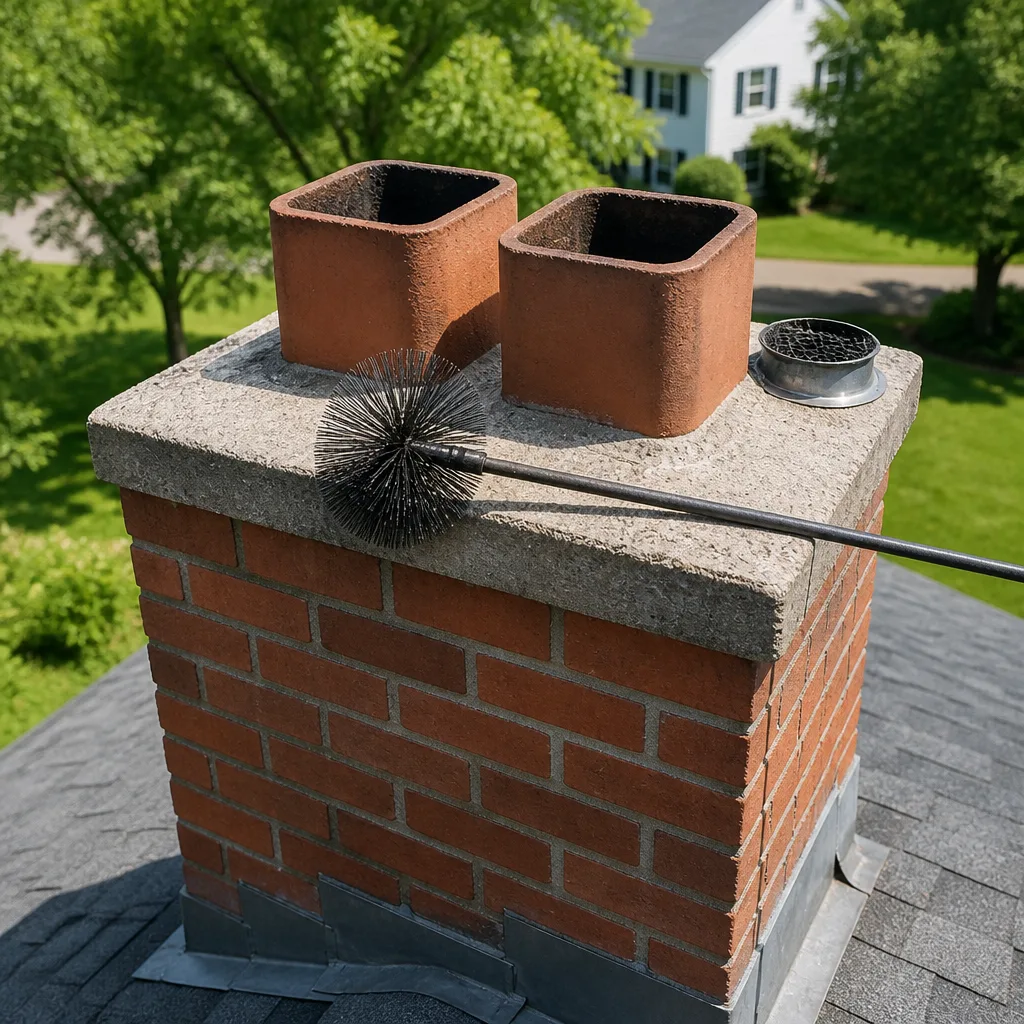 Sweep & inspection
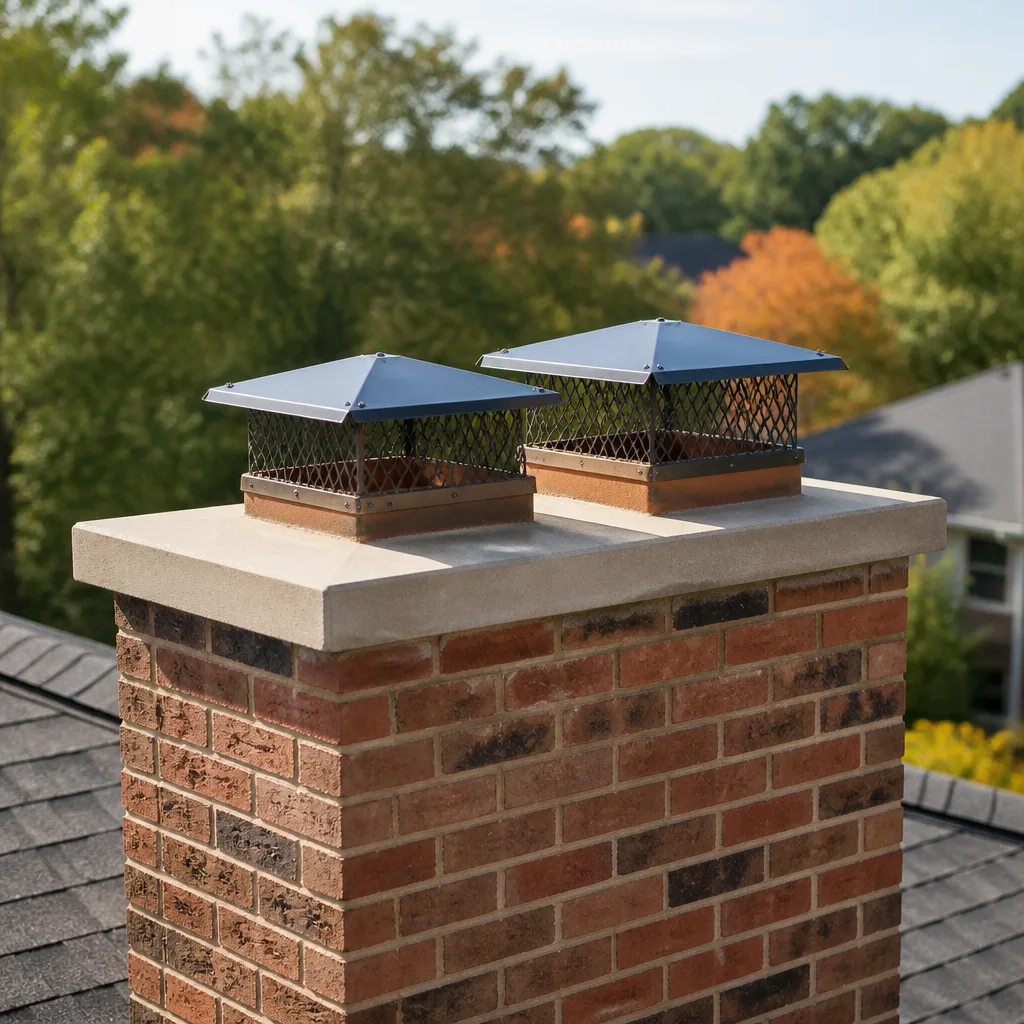 Caps & crowns
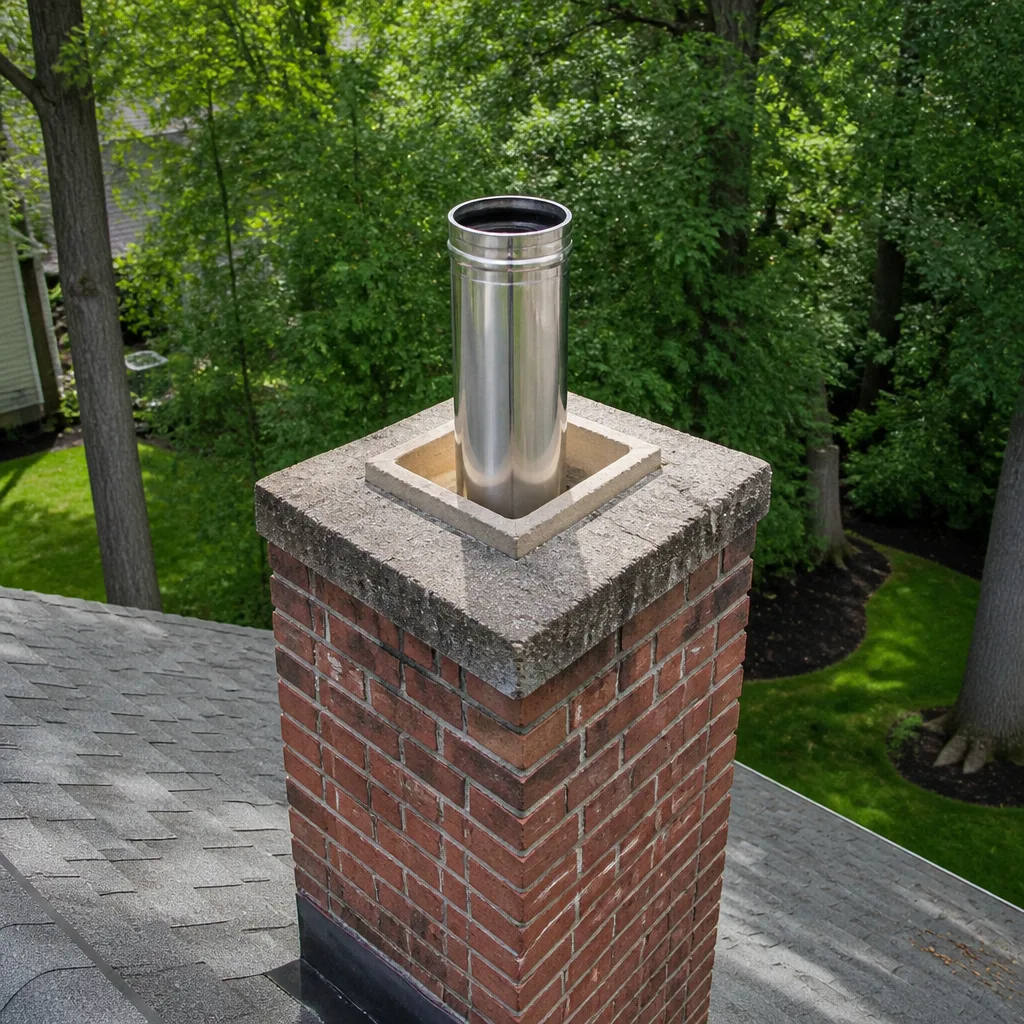 Flue relining
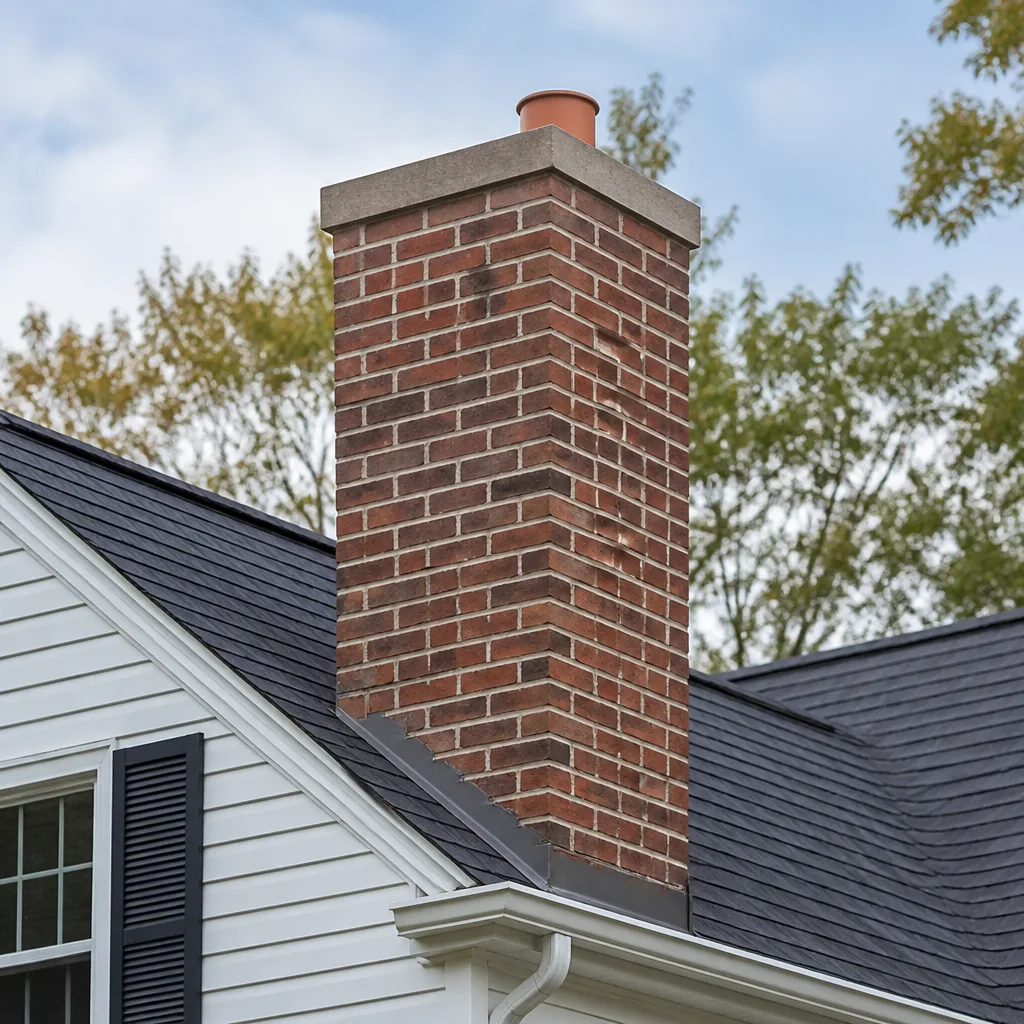 Masonry repair
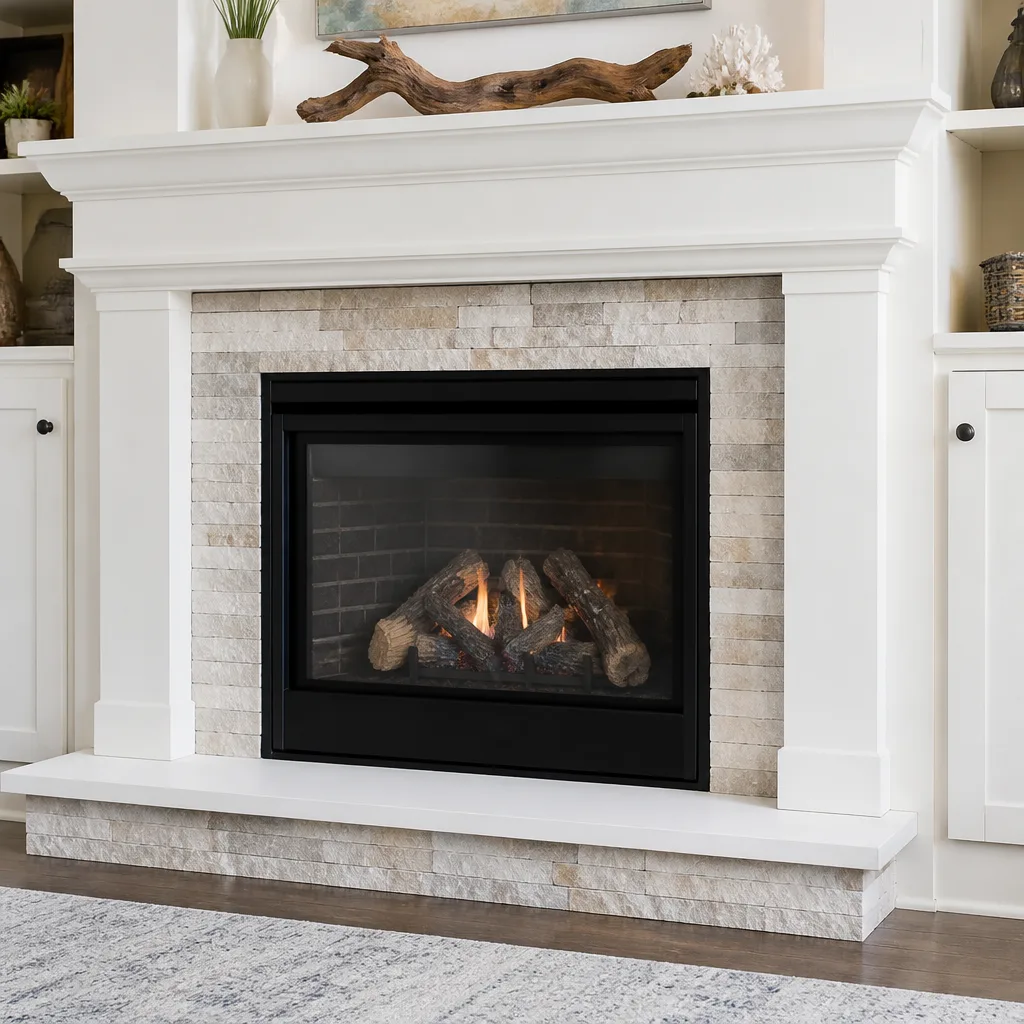 Gas fireplace service
Level 1 sweep and inspection to the NFPA 211 annual standard - flue, crown, cap, and flashing checked and photographed
Chimney sweep logs do not sweep chimneys. They loosen some creosote - which then falls where a brush and vacuum still have to collect it.
Chimney Cleaning Permits, Codes & Inspections in Woodbridge, CA: What You Need to Know
Most people assume that any work on a chimney requires a permit. In California, that’s not true. A routine sweep, a Level 1 inspection, or a new cap often needs nothing more than a phone call. But the moment the scope shifts to structural repair, liner replacement, or an appliance conversion, you’re in a different regulatory world. San Joaquin County building codes, California Residential Code provisions for chimneys, and San Joaquin Valley Air Pollution Control District rules all come into play at once. This guide walks you through where that line sits, what a Level 2 inspection actually means in a real estate transaction, and how to check whether prior work on a Woodbridge home was ever permitted.
Quick Answer
Routine chimney sweeping and basic inspections do not require a permit in California. Structural repairs, liner replacement, and appliance changes generally do, and must comply with the California Residential Code and San Joaquin Valley APCD rules. If you’re buying or selling a Woodbridge home, a Level 2 inspection under NFPA 211 is the standard most buyers and insurers expect. When in doubt, ask the San Joaquin County building department directly, and work with a licensed C-61 specialty contractor for anything beyond cleaning.
Styles & brands we work with
- Sweep & inspection
- Caps & crowns
- Flue relining
- Masonry repair
- Gas fireplace service
Key Takeaways
- Cleaning and inspection are maintenance, not alteration, and typically require no permit.
- Liner replacement, structural repair, and appliance conversion cross into permit territory.
- San Joaquin Valley APCD rules govern which wood-burning appliances can legally be installed or serviced.
- A Level 2 inspection is the standard for real estate transactions under NFPA 211.
- California chimney repair work falls under the C-61 specialty contractor license, not a general handyman classification.
- Unpermitted prior work can follow the seller and buyer both, so pull the records before closing.
Table of Contents
- Where the Permit Line Sits: Maintenance vs. Alteration
- What the California Residential Code Says About Chimneys
- San Joaquin Valley APCD Rules and Wood-Burning Appliance Regulations
- Level 2 Inspections and Real Estate Transactions
- Licensing: C-61 Specialty Contractor vs. Handyman
- How to Pull Permit Records on Prior Chimney Work
- What Unpermitted Work Means for Your Liability
- What Makes Woodbridge Different
Where the Permit Line Sits: Maintenance vs. Alteration
The clearest way to think about chimney permits in Woodbridge is to sort every job into one of two buckets: maintenance or alteration. Maintenance keeps the system doing what it was already doing. Alteration changes the system itself. Permits live almost entirely on the alteration side of that line.
Maintenance work that generally needs no permit includes:
- Sweeping the flue to remove creosote and soot
- Level 1 and Level 2 inspections
- Replacing a chimney cap with a like-for-like cap
- Minor crown patching on a small surface crack
- Repointing a few spalled mortar joints without structural change
Alteration work that typically does require a permit includes:
- Replacing a clay tile liner with a stainless steel liner system
- Converting a wood-burning fireplace to a gas insert, or the reverse
- Rebuilding the chimney above the roofline
- Adding a new flue or changing the flue’s dimensions
- Any repair that affects structural integrity of the chimney chase
The gray area to watch: a “cracked crown” can mean a hairline surface crack or a crown that’s separating from the chase. The first is maintenance. The second often isn’t. That’s why an inspection comes before a bid, not the other way around.
For routine work in Woodbridge, you don’t need a permit – just a qualified chimney sweep. For structural or liner work, treat permitting as part of the project, not an obstacle to it.
What the California Residential Code Says About Chimneys
The California Residential Code, which adopts and amends the International Residential Code for one- and two-family dwellings, contains the chimney and venting provisions that govern how a flue must be built, lined, and clearanced. It’s also where local building departments look when deciding whether a job needs a permit and whether an inspection is required at rough-in and final.
The practical implications for Woodbridge homeowners:
- Any new or replaced flue must meet the code’s clearance-to-combustibles requirements for the specific appliance and fuel type.
- Masonry chimneys must have a flue liner, and its condition matters to the inspector.
- Chimney height and termination requirements above the roofline are code-driven, not installer preference.
- When a new liner is installed, the permit is usually tied to the appliance, and final inspection confirms the installation matches what was permitted.
California also layers in state-level requirements through Title 24 for certain appliance installations, particularly when a wood-burning appliance is being added or replaced. Title 24 is a moving target that gets updated on a cycle, so always confirm current requirements with San Joaquin County before signing anything.
One thing we stress to every Woodbridge caller: code is the floor, not the ceiling. A liner installation can meet code and still be wrong for your flue if the sizing wasn’t calculated against the appliance’s venting requirements. That sizing question is exactly the kind of thing a Chimney Sweep Woodbridge inspection catches before you commit to a repair.
San Joaquin Valley APCD Rules and Wood-Burning Appliance Regulations
The San Joaquin Valley Air Pollution Control District regulates much more than outdoor burning. Its Rule 4901 (wood burning devices) governs which wood-burning appliances can be sold, installed, or replaced within the district, and which ones can legally be used on no-burn days. Woodbridge sits inside the San Joaquin Valley APCD’s jurisdiction, so those rules apply here.
What this means in practice:
- New wood-burning appliance installations in Woodbridge must meet the APCD’s current emission standards for the device category.
- Replacing an older, non-compliant stove or fireplace insert with a compliant unit usually triggers both a permit and an APCD-compliant equipment requirement.
- On designated no-burn days (typically during winter inversion periods), wood burning may be curtailed regardless of what you have installed.
- The APCD publishes current curtailment status, and it changes day to day, so check it rather than assume.
Here’s the piece most homeowners miss: the APCD’s rules don’t just govern what you can use, they govern what can be installed. If you’re converting an old fireplace to a gas insert or replacing a pre-1990s stove, the replacement device has to be on the APCD’s approved list for the category. An installer who doesn’t check that requirement first can put you in a position where the job passes rough inspection but fails the appliance verification.
Sweeping and inspection are not affected by curtailment rules. Those are maintenance. But if a repair involves replacing a fireplace’s firebox or its flue, APCD appliance oversight can come into it, and that’s when a specialty contractor earns their keep. Whether you need simple maintenance or a fireplace repair, the permit question gets answered during the inspection, not the estimate.
Level 2 Inspections and Real Estate Transactions
A Level 2 inspection is the standard inspection protocol defined by NFPA 211 (Standard for Chimneys, Fireplaces, Vents, and Solid Fuel-Burning Appliances). It’s more thorough than a Level 1 (which is the annual visual inspection you’d get with a sweep) and less involved than a Level 3 (which may require opening walls or dismantling part of the chimney). For real estate transactions, Level 2 is the standard most buyers, sellers, and insurance companies expect to see.
A Level 2 inspection includes everything in a Level 1 plus a closer look at:
- The accessible portions of the chimney exterior and interior, including the attic and crawlspace where accessible
- The flue interior via video scanning
- Connections to the appliance, and whether they meet code clearances
- Any accessible areas of the chimney structure showing signs of damage or deterioration
In a Woodbridge real estate transaction, the Level 2 inspection is usually what the buyer requests after the home inspection report flags the fireplace as “deferred” or “not tested.” The seller’s disclosure obligations under California law include material defects known to the seller, and a chimney that fails a Level 2 inspection – cracked flue tiles, a separated crown, a missing cap, an unlined chase – is a material defect once it’s on paper.
Two practical notes. First, a Level 2 should always produce photos and a written report you can hand to the other side, not a verbal “you’ve got some liner issues.” Second, the inspection should include the appliance-to-flue connection, because that’s where a lot of “we didn’t know” problems hide. For a closer look at our inspection process, see our chimney repair service page if the inspection turns up defects.
Licensing: C-61 Specialty Contractor vs. Handyman
Chimney repair work in California falls under the C-61 specialty contractor license. That’s the classification for limited specialty contractors performing work outside the general building contractor scope – and chimney systems, as a structural and fire-safety component, land squarely in that category.
The handyman classification is a real limitation, not a technicality. A handyman license in California covers projects under a dollar threshold (currently $500 in labor and materials combined) and excludes work that requires a building permit or falls within a defined contractor classification. Chimney liner replacement is both: it requires a permit when it involves alteration, and it sits inside a defined classification. A handyman can’t pull the permit, and if they pull it under another contractor’s license, that’s a separate problem.
What to ask before hiring anyone to touch your chimney in Woodbridge:
- What license number do you hold, and what classification? (C-61 specialty contractor for chimney work.)
- Are you pulling the permit, or am I? (On alteration work, the licensed contractor should pull it.)
- What materials are you using, and does the brand match what was specified? (Professional-trade brands like DuraFlex for flexible liner systems and HeatShield for resurfacing indicate a specialist rather than a generalist.)
- Will you give me the written report with photos?
- Is this work maintenance or alteration? (The answer decides whether the permit question comes up at all.)
Chimney Sweep Woodbridge is a chimney-only specialist. We don’t sweep chimneys as a side offering between roofing and gutter jobs. Every job we quote is scoped against what the code and the appliance actually require, and every permit question gets answered before the work starts.
How to Pull Permit Records on Prior Chimney Work
Before buying a Woodbridge home with a fireplace or wood-burning appliance, check whether prior work was permitted. The record either exists or it doesn’t, and both answers tell you something.
- Start with the county. San Joaquin County’s building department maintains permit history by address. You can usually search online, and for a small fee you can request copies of permits and inspection records.
- Check the city too. If the property is within Woodbridge’s city limits, the city may hold its own permit records. When in doubt, search both.
- Look for the specific permit type. A chimney liner replacement or wood-burning appliance installation should show up as a mechanical or building permit, not a general “remodel” entry.
- Verify final inspection. A permit pulled but never finaled is nearly as much of a problem as no permit at all. The record should show a passed final inspection.
- Compare the permitted scope to what’s installed. If the permit says “replace flue liner” and what’s in the chase looks older or newer than the permit date, that’s a discrepancy to raise before closing.
- Get a Level 2 inspection regardless. The permit records tell you what was authorized. The inspection tells you what’s actually there. Both matter.
If you’re already in a Woodbridge home and don’t know the chimney’s history, that same process applies. Pull the records, then get the inspection, and use both to decide what work, if any, is actually needed.
What Unpermitted Work Means for Your Liability
Unpermitted chimney work isn’t just a paperwork problem. It’s a liability that follows the property, and in a real estate transaction, it can shift from a seller’s problem to a buyer’s problem in a single closing.
Here’s what unpermitted work can do:
- Complicate an insurance claim. If a fire originates at an unpermitted installation, an insurer can scrutinize whether the installation met code. Coverage disputes over unpermitted work are a well-documented pattern in the insurance industry, and homeowner policy language varies.
- Fail a future inspection. A Level 2 inspection will typically reveal whether work matches permit records. Unpermitted alteration can require corrective work before a future sale.
- Leave the seller exposed. California seller disclosure obligations require disclosing known material defects. A chimney that’s never been permitted isn’t automatically a defect, but a chimney that’s never been permitted and fails inspection is.
- Create a code correction cost. Bringing unpermitted work into compliance can require opening walls, pulling a new permit, and passing inspection – none of which the prior owner may have budgeted for.
For a Woodbridge homeowner, the practical takeaway is simple: any time you contract for chimney repair that’s outside maintenance, ask who is pulling the permit and confirm the final inspection record exists. If you discover unpermitted work on a home you’re buying, get a Level 2 inspection before removing contingencies, and factor a correction budget into your offer if the inspection turns up issues. Our chimney cap & crown work is often the first step in correcting unpermitted or deteriorated chimney tops, because water intrusion from a bad crown is a common cause of the underlying damage.
What Makes Woodbridge Different
Woodbridge sits in San Joaquin County, which is squarely inside the San Joaquin Valley APCD’s jurisdiction. That has a few implications for local chimney work that don’t apply everywhere in California.
- Winter air quality rules matter here. The San Joaquin Valley APCD’s no-burn curtailments are a real seasonal consideration for Woodbridge homeowners who burn wood, and the rules apply whether or not the person burning knows about them.
- The housing stock is varied. Woodbridge contains a mix of older masonry-chimney homes and newer construction with factory-built fireplaces. The inspection approach differs by chimney type, and so does the permit question.
- Moderate climate, real maintenance needs. San Joaquin County’s winters are mild enough that chimney problems tend to build slowly rather than failing all at once. That’s actually the harder scenario, because slow deterioration is easy to miss until a Level 2 inspection catches it.
- Neighborhood context. Homes in established Woodbridge neighborhoods often have chimneys that haven’t been inspected in many years, which makes a Level 2 inspection the highest-value first step before any repair decision.
We work in Woodbridge regularly and see the same pattern: well-maintained homes with one structural issue that’s been quietly developing for years. A cap that lost its seal. A crown with a hairline crack. A flue with one spalled tile. None of those are emergencies. All of them get more expensive if they wait through another season.
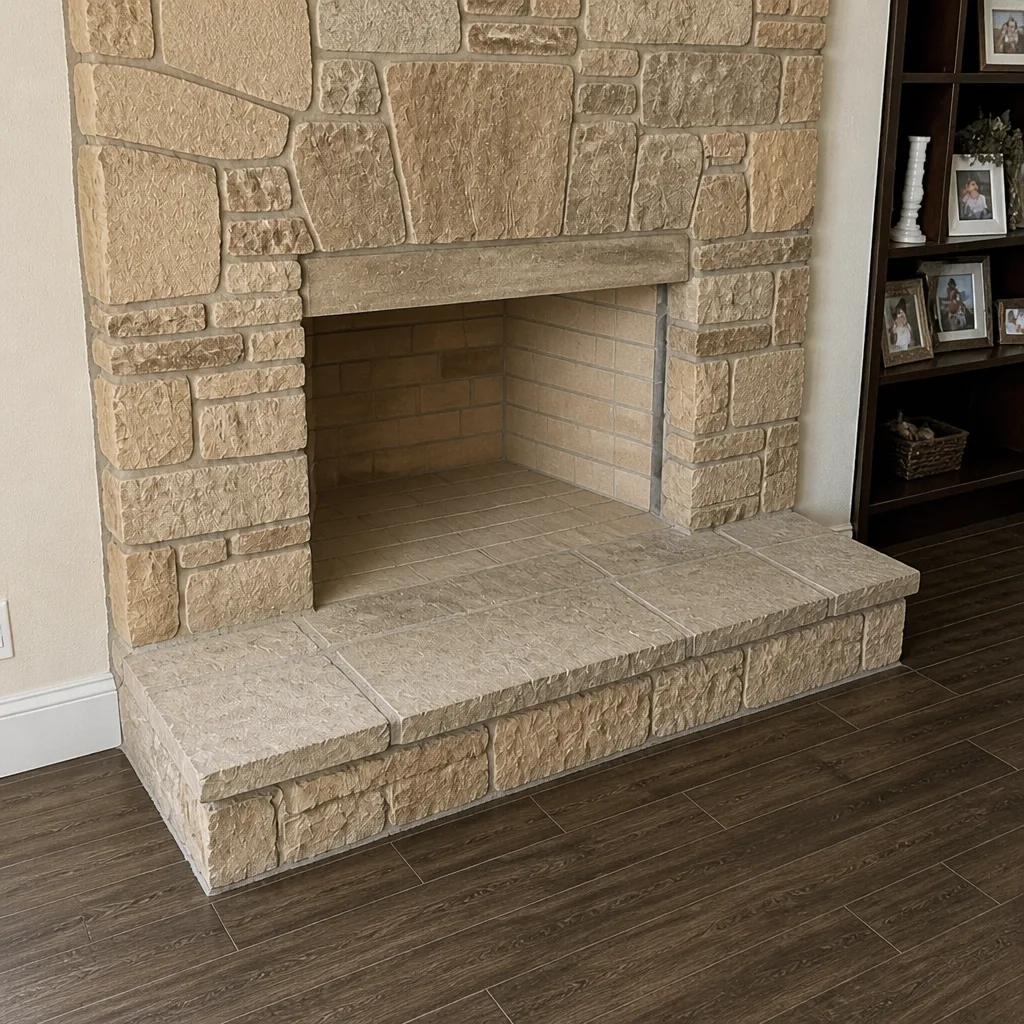
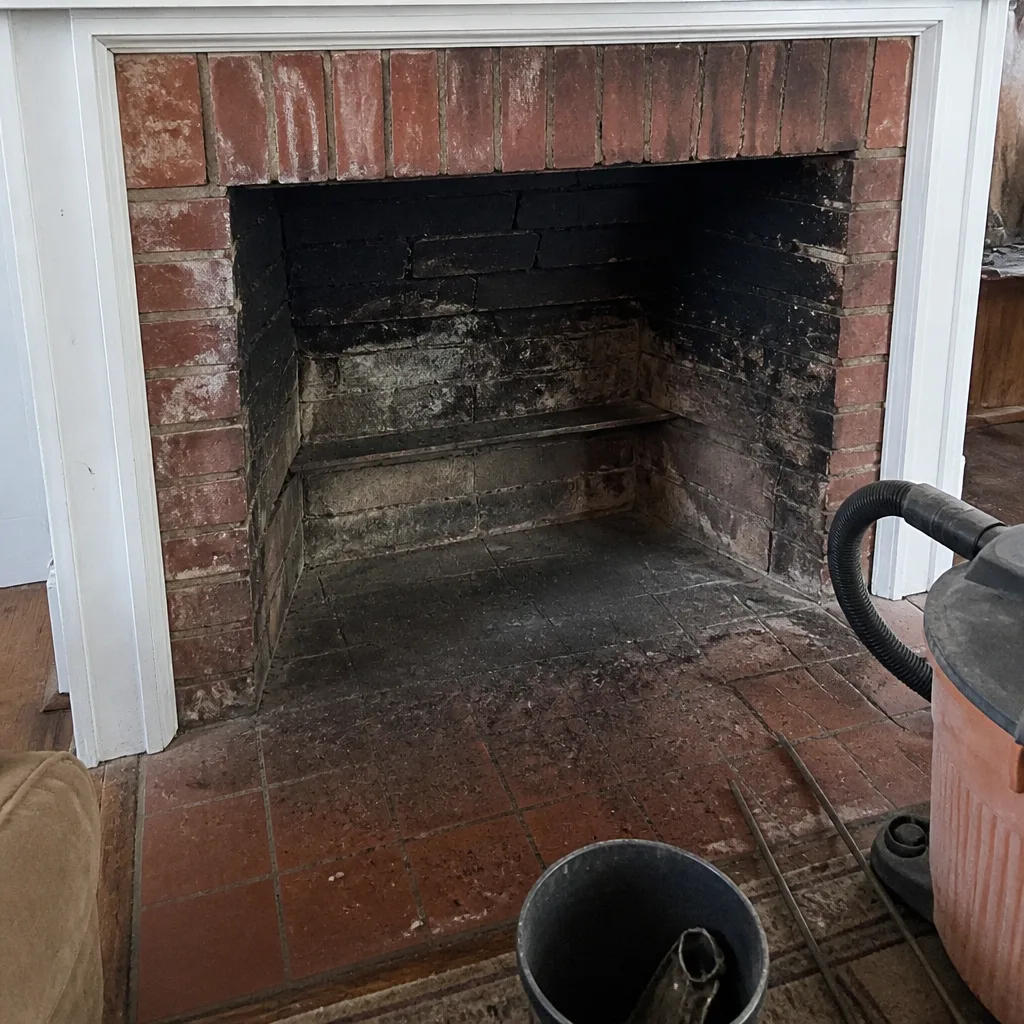
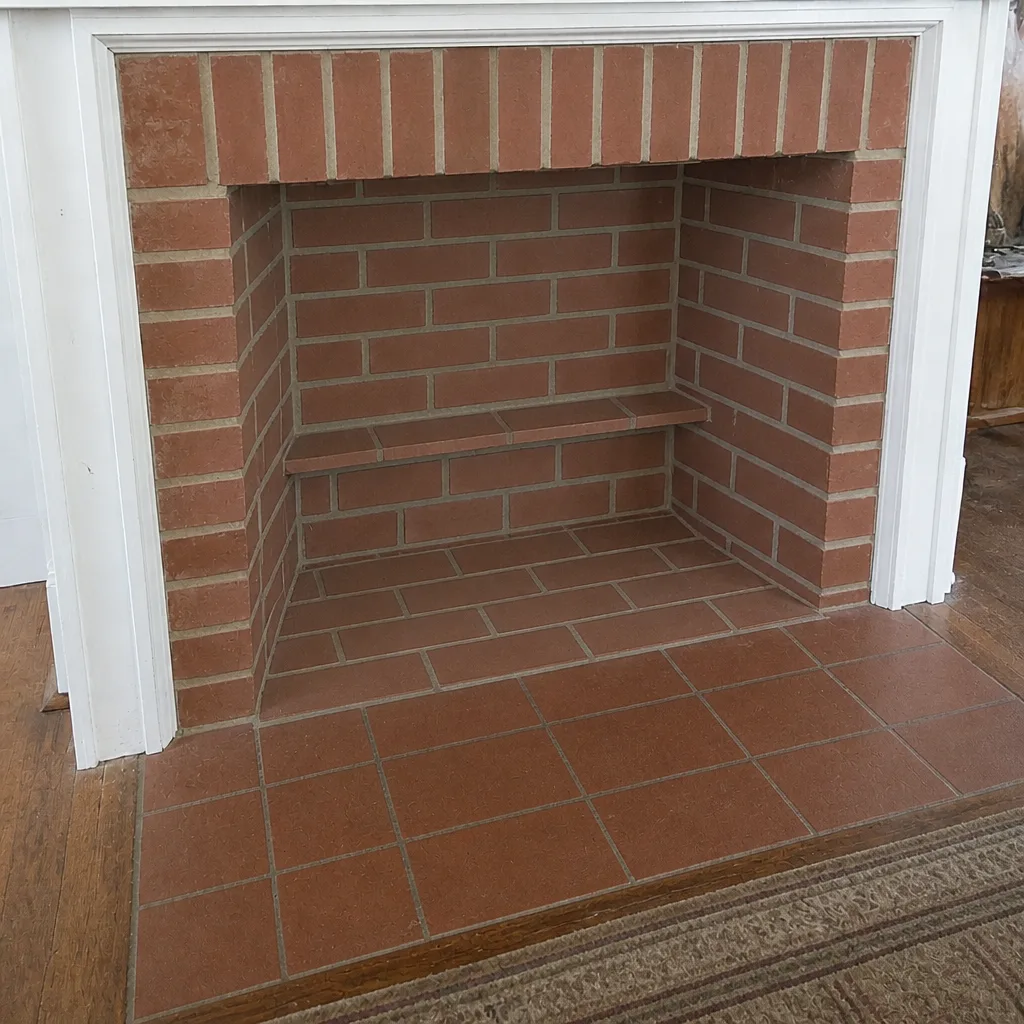
See the difference
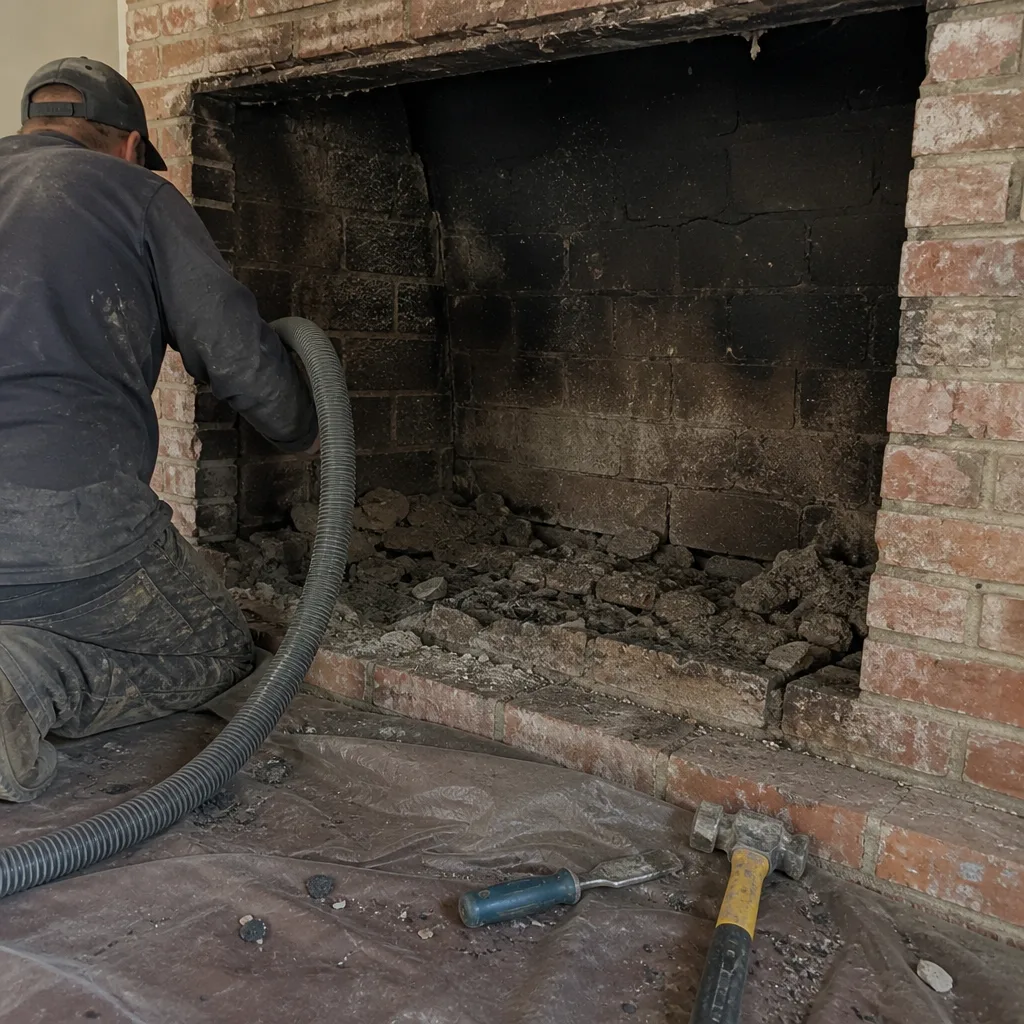 Before
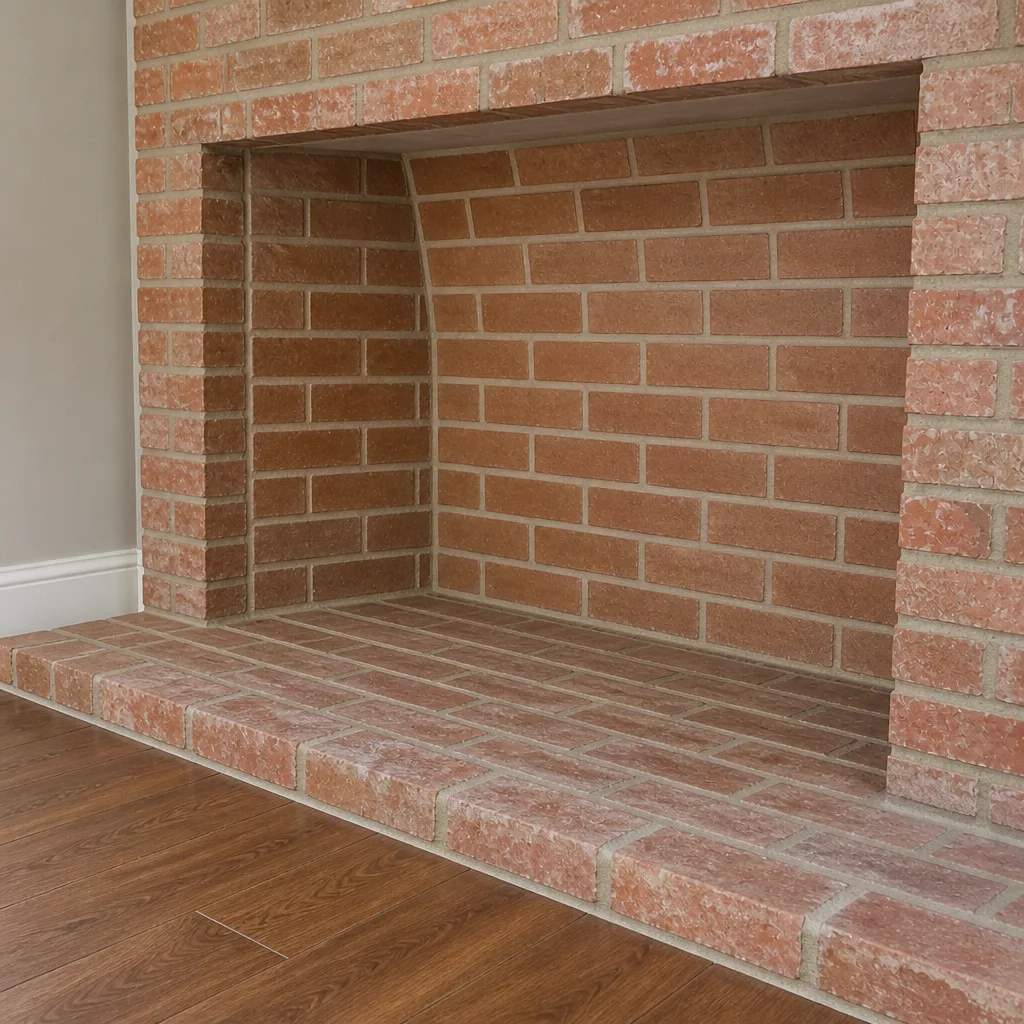 After
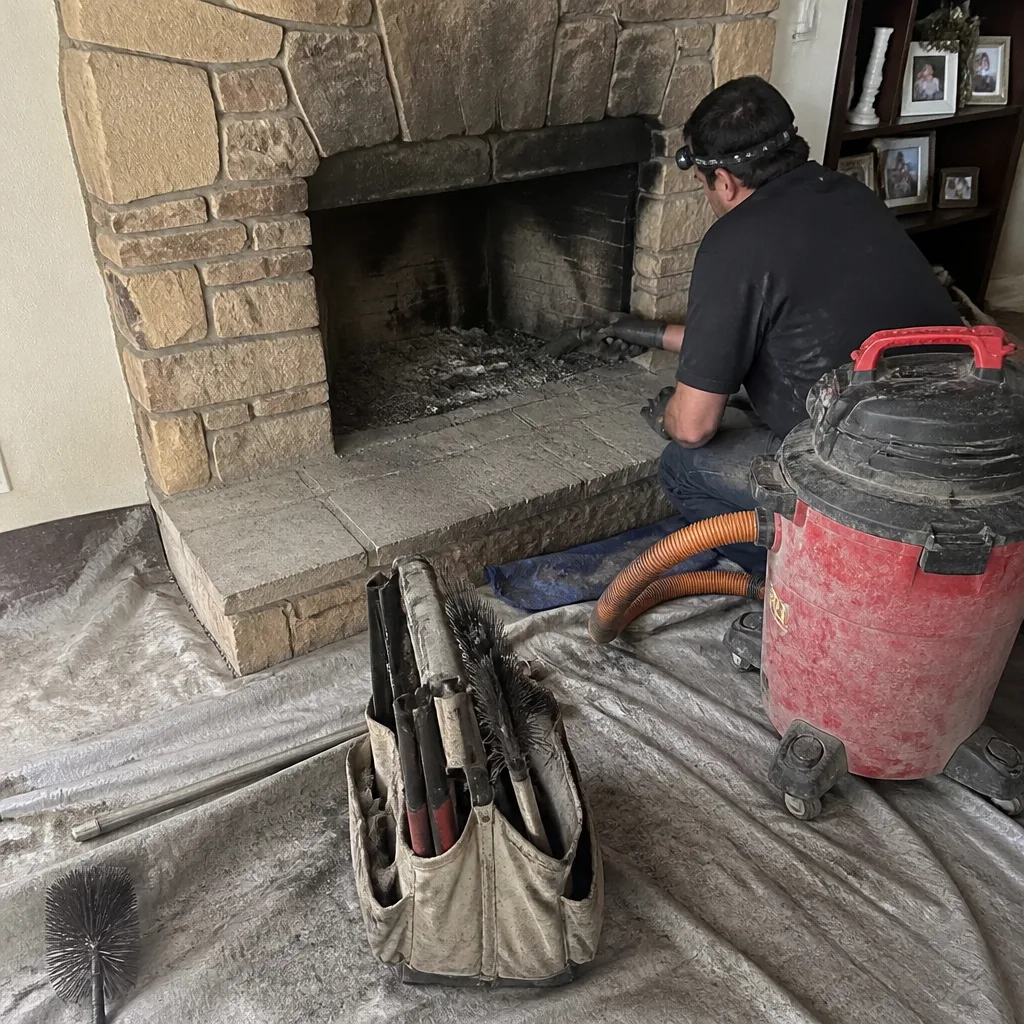 Before
 After
 Before
 After
Common Mistakes to Avoid
- Assuming all chimney work needs a permit. Sweeping, inspections, and a like-for-like cap replacement are maintenance, not alteration. Over-permitting slows down simple jobs and can confuse a future buyer when your records don’t match the work.
- Assuming no chimney work ever needs a permit. The opposite mistake is worse. A liner replacement or a structural rebuild without a permit can complicate an insurance claim and create a disclosure problem at the next sale.
- Skipping the Level 2 inspection during a Woodbridge home purchase. The home inspector’s “not tested” note on a fireplace is the cue, not the conclusion. A Level 2 inspection is the standard protocol under NFPA 211, and it’s the document a buyer or seller will be asked for.
- Hiring a handyman for structural work. Chimney alteration is C-61 specialty contractor territory in California. A handyman license doesn’t extend to it, and no amount of good intentions fills the void.
- Not checking the APCD rules before installation. San Joaquin Valley APCD rules determine which appliances can be installed. An installer who doesn’t check can leave you with a device that fails compliance.
- Treating the estimate as the diagnosis. The inspection comes first, the scope comes second, the estimate comes third. An estimate without an inspection is a guess.
- Ignoring the appliance-to-flue connection. A lot of chimney problems live where the appliance connects to the flue, not in the flue itself. An inspection that doesn’t look there isn’t telling you the whole story.
When to Call a Professional
Call a professional when the work you’re considering involves anything beyond routine cleaning or a visual inspection. Liner replacement, structural repair, appliance conversion, crown rebuilding, or any work that would require a permit under the California Residential Code is professional territory, and it needs to be handled by a C-61 licensed specialty contractor who pulls the permit and confirms the inspection record. Call a professional if you’re buying or selling a Woodbridge home and the fireplace has never had a Level 2 inspection. Call a professional if you don’t know the last time the chimney was inspected, because the answer is usually “years ago.” And call a professional before you accept a bid for structural work from anyone who can’t answer the licensing and permit question directly. Chimney Sweep Woodbridge offers free estimates in Woodbridge – call (833) 513-8683. We answer 24/7. Fast dispatch from 7am to 7pm, Sunday through Friday.
Frequently Asked Questions
No. A routine chimney sweep in Woodbridge is maintenance and doesn’t require a permit. Sweeping removes creosote and soot without altering the flue or the appliance. The permit question only comes up when the work changes the chimney system itself. Call (833) 513-8683 for an exact quote – estimates are free.
Chimney work requires a permit when it’s an alteration rather than maintenance. That includes replacing a clay tile liner with a stainless steel liner, converting a wood-burning fireplace to gas (or the reverse), rebuilding the chimney above the roofline, and any structural repair. Repointing a few mortar joints or replacing a cap like-for-like generally doesn’t. Call (833) 513-8683 if you’re not sure which side of the line your project falls on – estimates are free.
A Level 2 inspection is the NFPA 211 standard protocol that adds video scanning of the flue, closer review of accessible chimney components, and verification of appliance connections on top of the Level 1 visual inspection. You need one during a real estate transaction, after a chimney fire, after an earthquake or major storm, or when changing the appliance or fuel type. Call (833) 513-8683 to schedule an inspection – estimates are free.
Yes. Woodbridge is inside the San Joaquin Valley APCD’s jurisdiction, so Rule 4901 governs which wood-burning devices can be installed and replaced, and no-burn curtailments apply during winter inversion periods. Sweeping and inspection aren’t affected, but appliance replacement is. Call (833) 513-8683 with questions about your specific appliance – estimates are free.
Yes, for anything beyond routine maintenance. Chimney repair and liner replacement fall under California’s C-61 specialty contractor classification, not a handyman license. A handyman license doesn’t extend to work requiring a building permit or falling inside a defined contractor classification. Ask any contractor for their license classification before signing. Call (833) 513-8683 to talk through your project – estimates are free.
Unpermitted work on a Woodbridge home can complicate an insurance claim if the chimney is later involved in a loss, can fail a future inspection, and can create a seller disclosure issue under California law. The fix is to pull the permit records from San Joaquin County (and the city if applicable), then have a Level 2 inspection to confirm what was actually done. Call (833) 513-8683 to schedule an inspection before closing – estimates are free.
A small surface crack on a masonry crown is usually maintenance. A crown that’s separating from the chase, or one showing wide cracks or spalling, is a repair – and depending on scope, it can require a permit. The inspection tells you which you’re dealing with. Call (833) 513-8683 to book an inspection – estimates are free.
Ask for the license number and classification (C-61 for chimney specialty work), then confirm it through the California State License Board. Separately, ask who is pulling the permit for alteration work and confirm the final inspection record exists after the job is done. Both checks take minutes and prevent most of the problems covered in this guide. Call (833) 513-8683 if you need help confirming what your project requires – estimates are free.
The Bottom Line
Most chimney work in Woodbridge doesn’t need a permit, but the work that does is the work that matters most for safety and liability. Sweeping and inspection are maintenance. Liner replacement, structural repair, and appliance conversion are alterations, and they’re governed by the California Residential Code, the San Joaquin Valley APCD, and California’s C-61 contractor licensing rules. If you’re buying or selling a Woodbridge home, a Level 2 inspection under NFPA 211 is the document to have. If prior work was unpermitted, pull the records before you sign. And if any of that sounds like a project you’re not sure how to scope, call a chimney-only specialist who can answer the permit question before the estimate.
Chimney Sweep Woodbridge handles the full chimney system under one service relationship – inspection, sweeping, cap and crown work, liner repair, and structural repair – using professional-trade materials from brands like DuraFlex, HeatShield, Gelco, Olympia Chimney, Famco, and Copperfield. We don’t sweep chimneys as a side offering. To schedule an inspection or estimate, call (833) 513-8683. We answer 24/7. Fast dispatch from 7am to 7pm, Sunday through Friday.
Written by the team at Chimney Sweep Woodbridge.